The Dialect of the Brush

I was reading a blurb about Franz Hals and was struck by this sentence: “His brave and painterly brushwork marked the evolution of 17th century portraiture, and it was very admired by the Impressionist painters.” Quite a statement considering the 17th century in Holland was the Golden age of Painting with the likes of Rembrandt, Ruebens (although he is technically Flemish) and Vermeer. In Spain there was Velasquez. In Italy there was Caravaggio. Etc., etc.

“brave and painterly brushwork…”

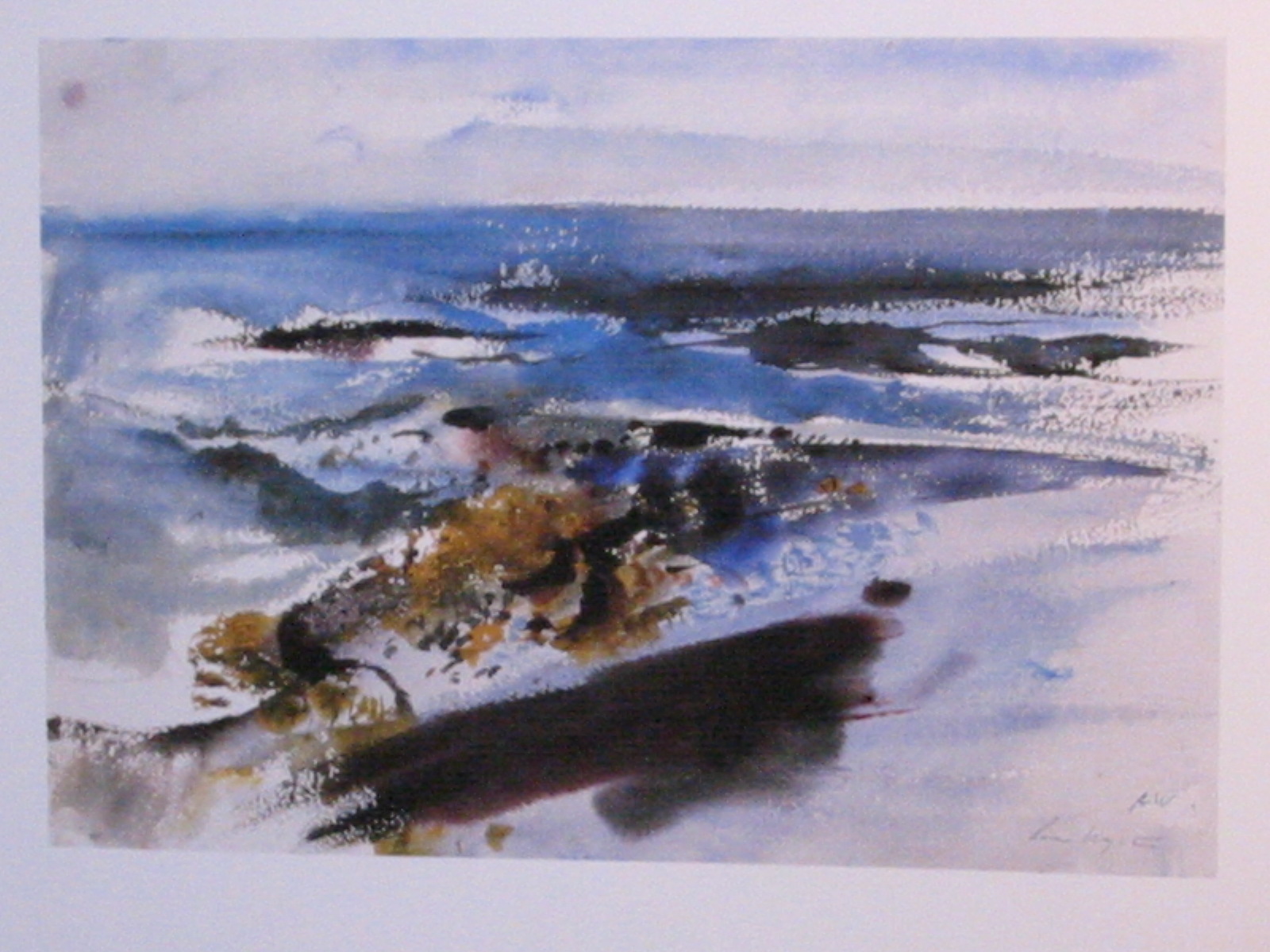
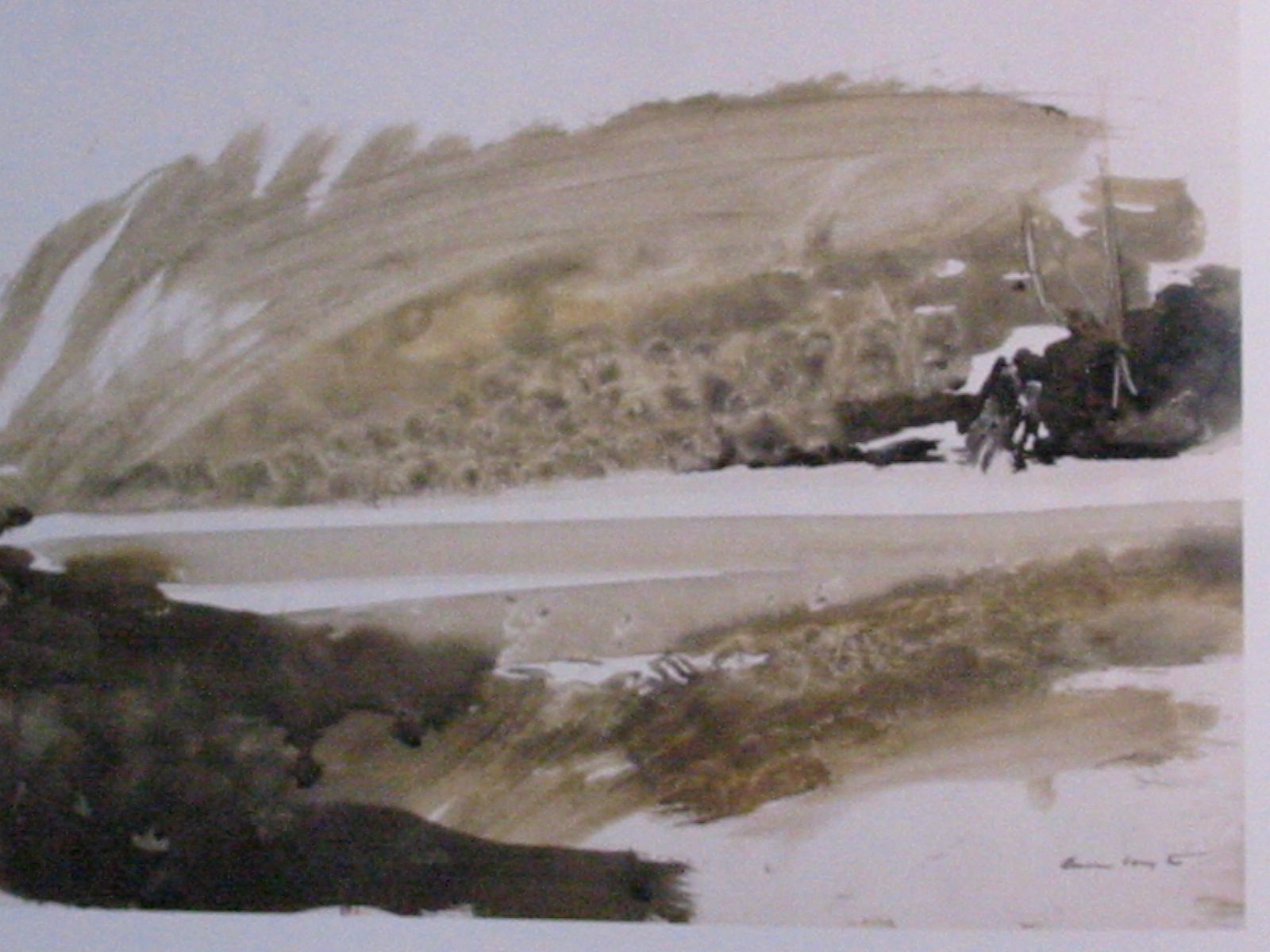
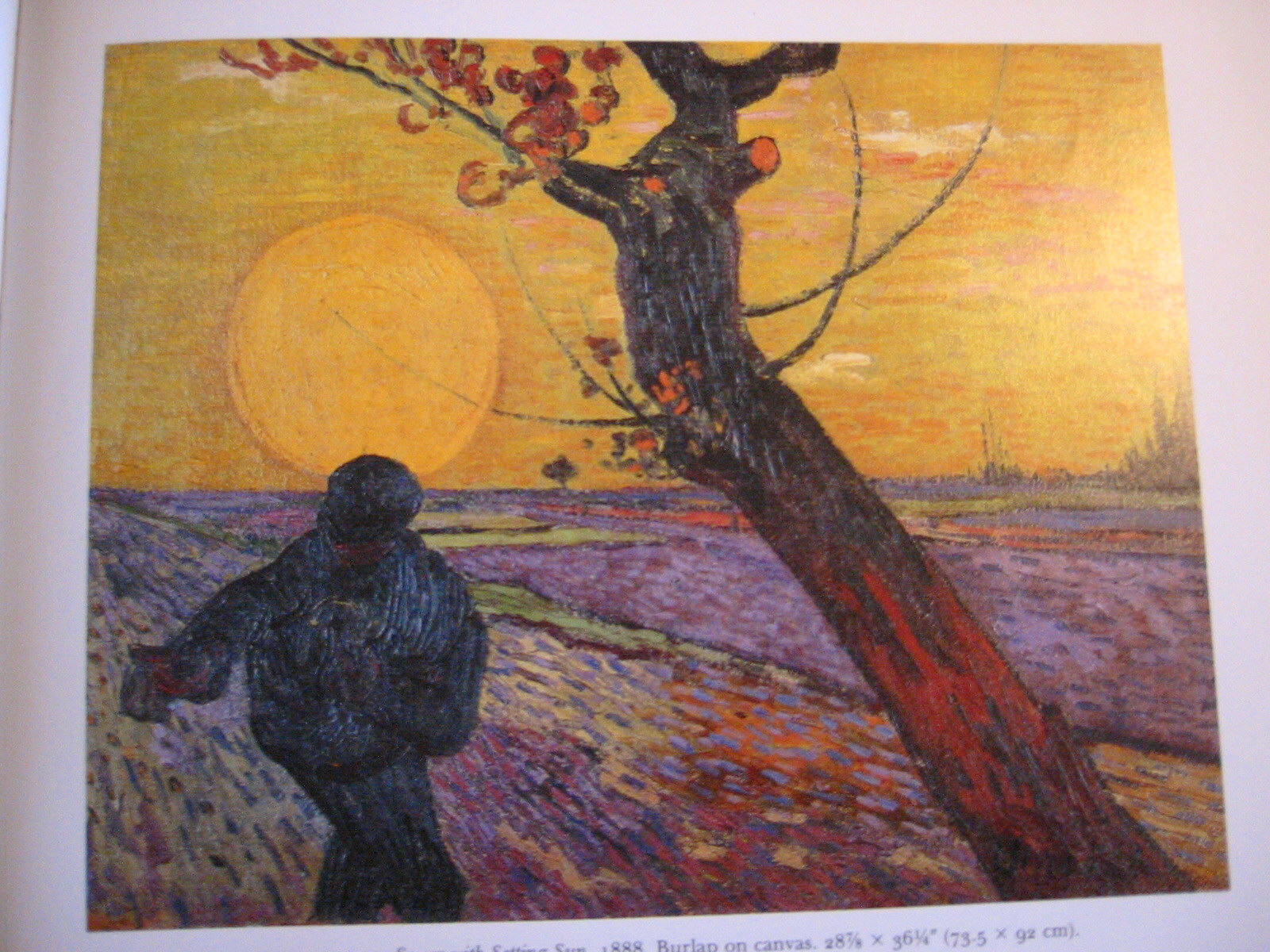
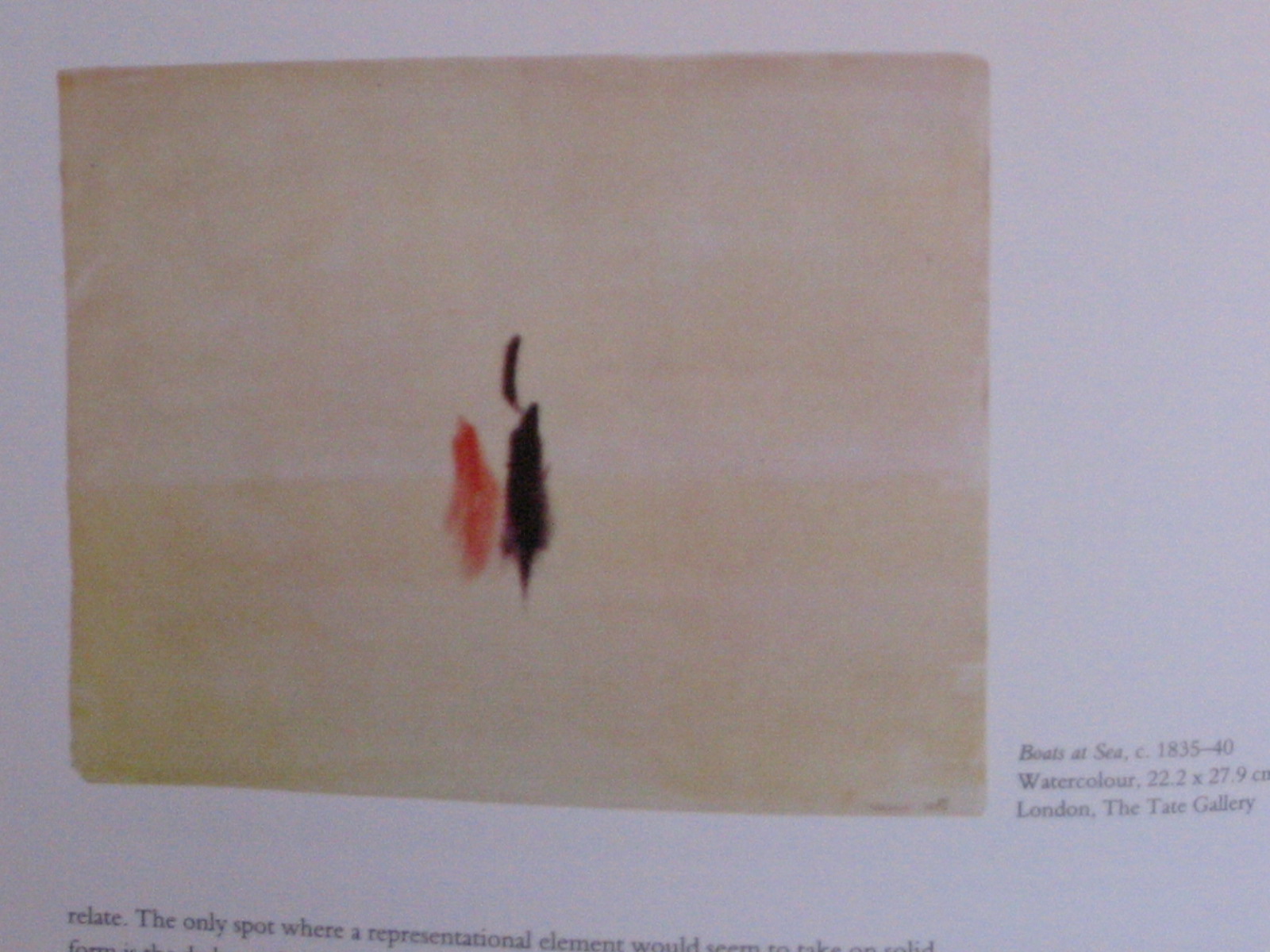
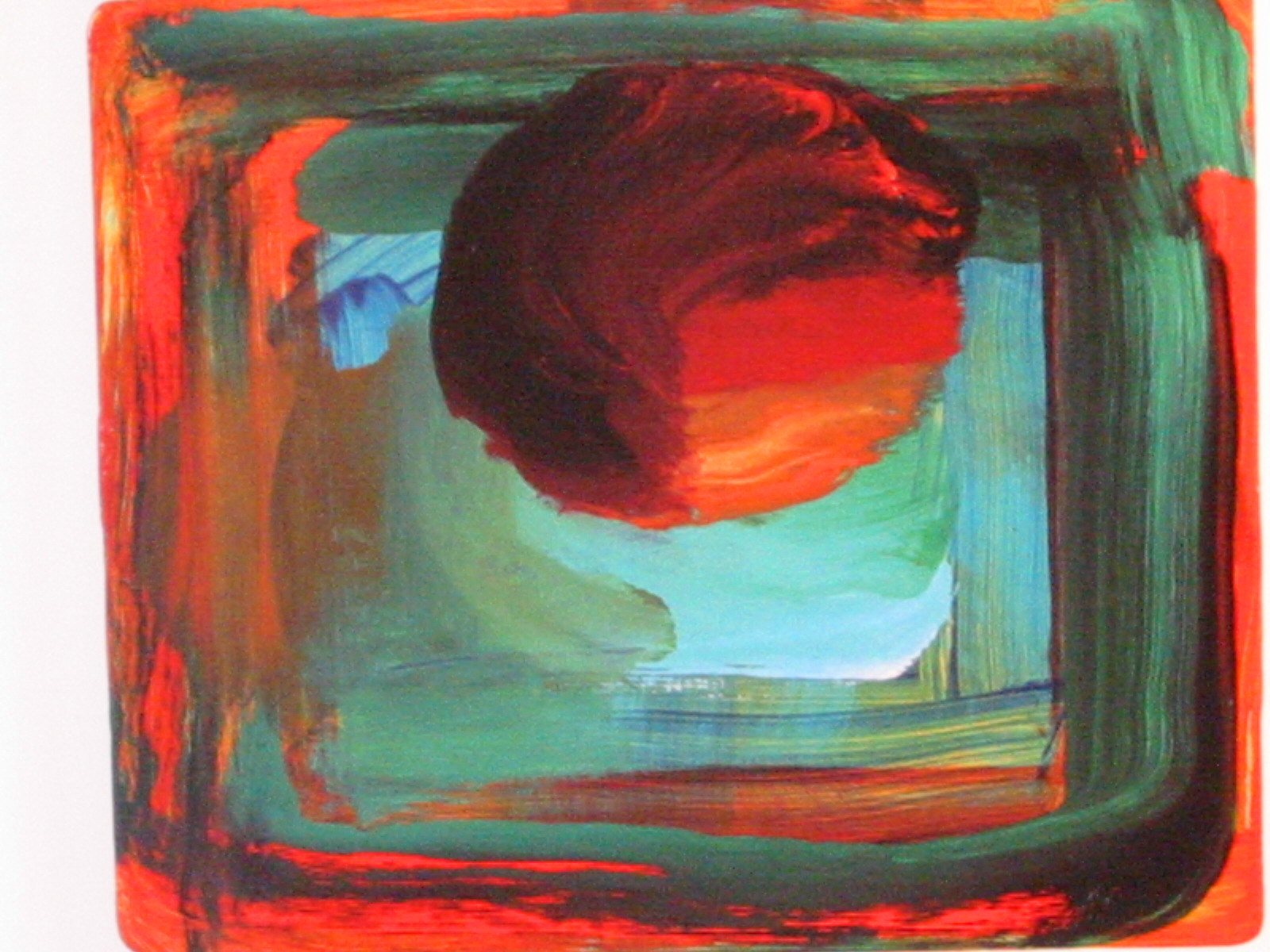
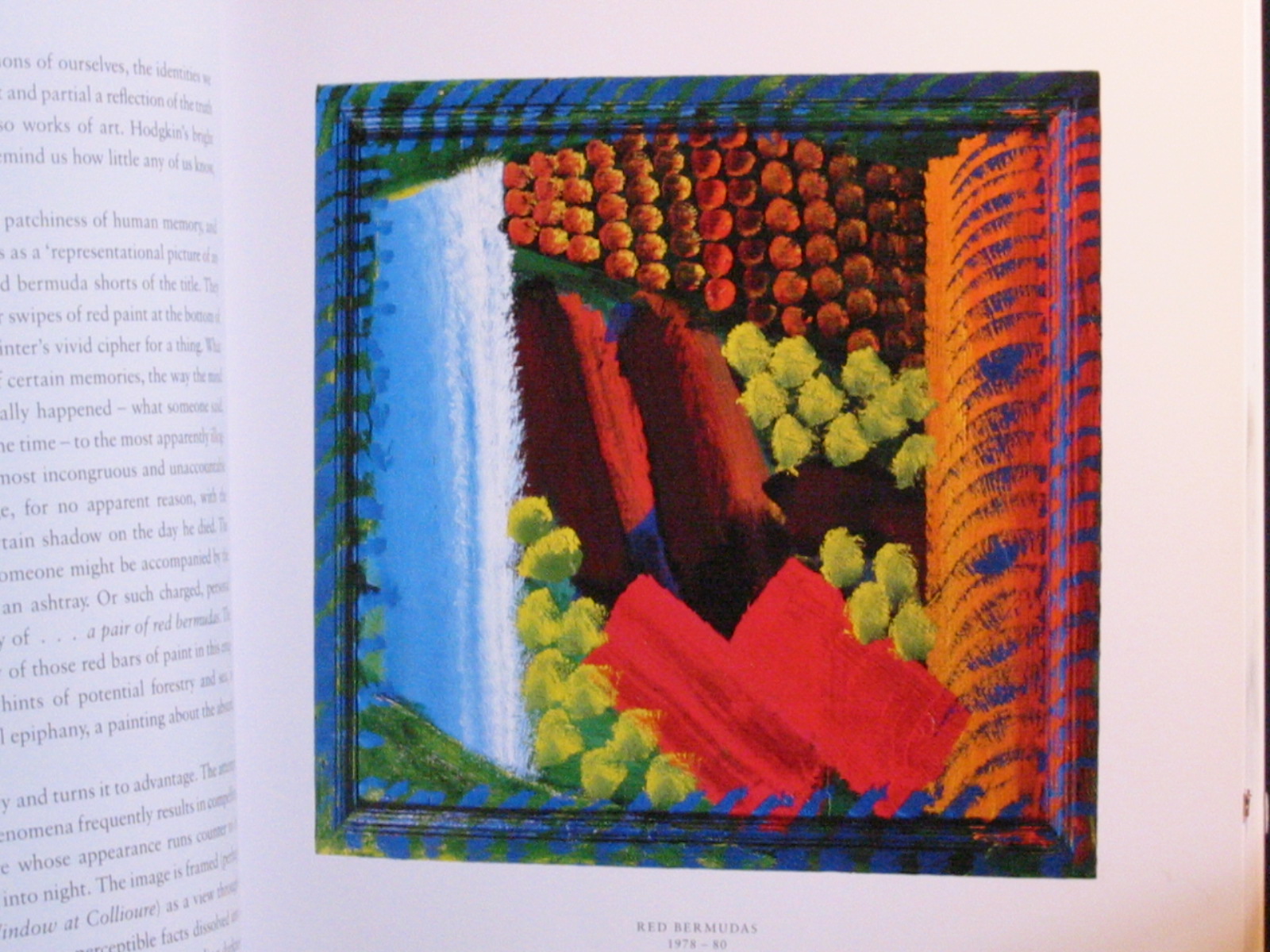
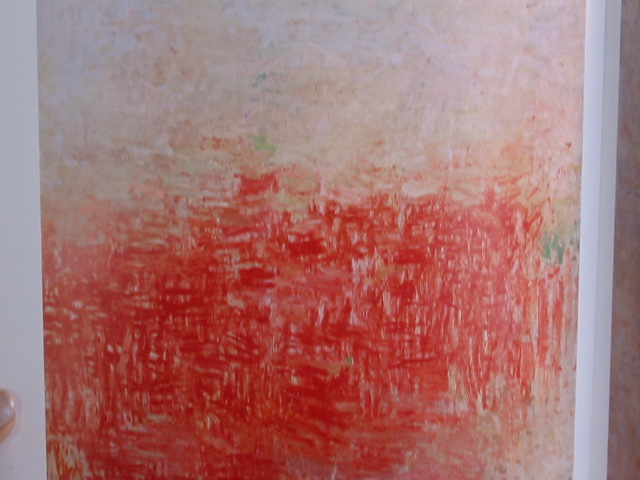
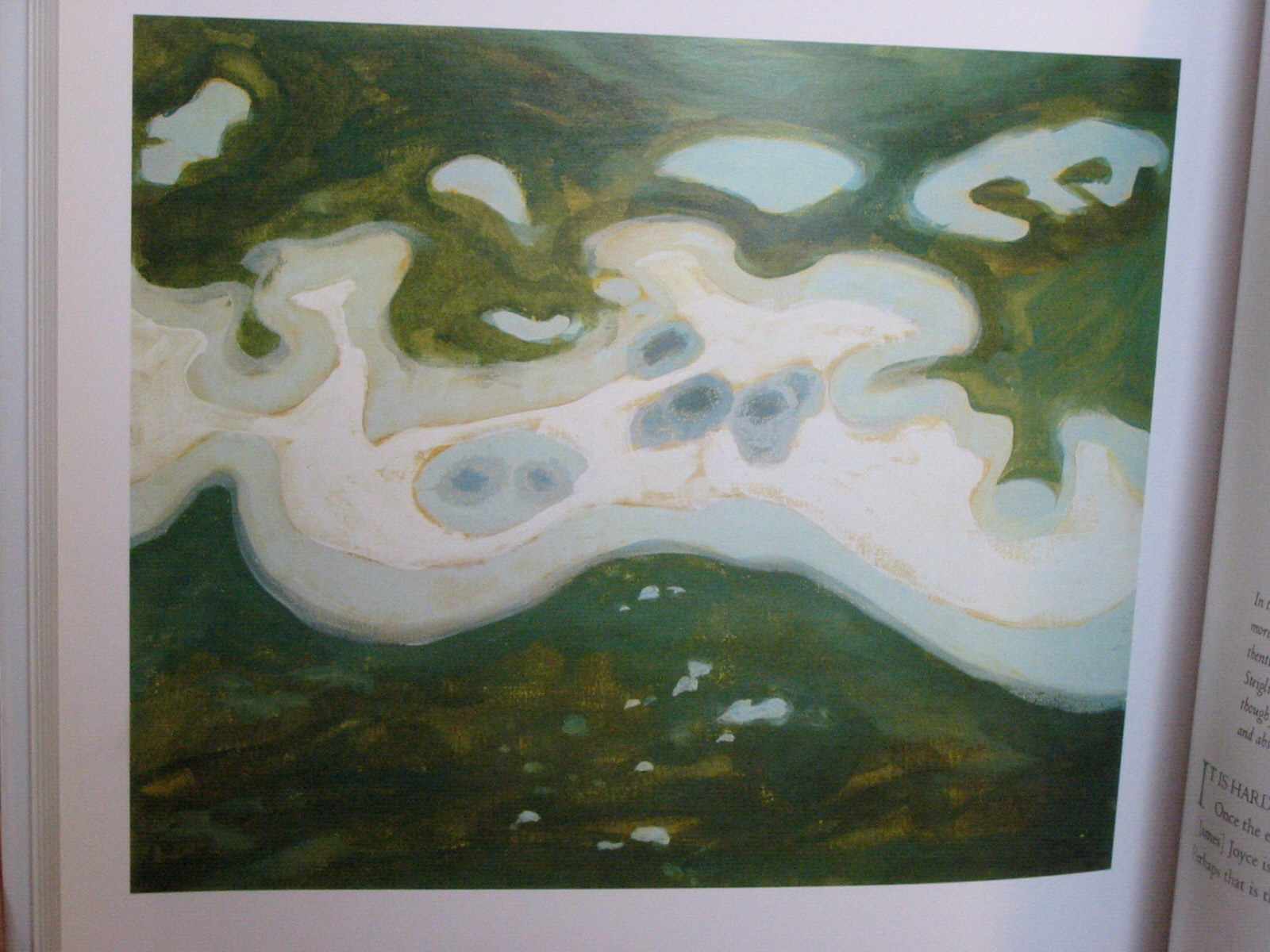
The way an artist uses their brush can speak volumes. The whole movement of Impressionism, Pointillism and even Abstract Expressionism were all largely about the brush. When you think of the likes of Van Gogh, John Singer Sargeant and Frank Auerbach, their brushwork is likely the first thing that comes to your mind.
A week ago in class Dick commented that Leslie’s surface was “alive” with paint, but that his brushwork was dead.

What about yours—dead or alive? What does your brushwork communicate?

With another week of working on works in progress it is a great opportunity to play around with brushwork. Load it differently, dance with it, try different kinds of brushes, try different parts of the brush. Observe internet photos of some of the artists mentioned—zoom in. Save those scrap ends of full sheets of paper to practice you “language skills”. Turn language into song…..

Posted in Uncategorized | Leave a comment

Manifest Destiny

Remaining creative when embarking on an artistic endeavor requires staying open to possibilities.  At the same time, making a strong statement requires some sense of purpose, a direction, an idea, an inspiration.  But there is danger in being so committed to a certain path to that purpose that insights, as well as results, found on alternative  paths are ignored . When the channel stays open as you attempt to discover and express meaningful ideas, paintings can be “destined” to be what they become. We have all experienced that painting session that ends with something on the wall that has great resonance and yet you have no idea where it came from.  Ahhh…

The trick is to let the “route to the sea” be one in which you follow –follow yourself–rather than lead.  How do you follow yourself?  How does the purpose of the piece on which you are working manifest itself?  The ultimate answer I’m sure has something to do with magic.

Following instincts, noticing what you notice, paying attention to flashes of inspiration, settling in and looking to let that inspiration reveal itself, not being afraid to try new ideas, techniques, paint colors, treating the page as a means rather than an end are all ingredients to making the magic and having a great time.

This week and maybe next will be time to practice the above as you work on works in progress.  Don’t be afraid to imagine outcomes, but don’t be married to them.  If you have questions feel free to jot them down so we can address them during our class or just holler. Sharing confusion may enlighten others too as you traverse the vast territory ahead.

Posted in Uncategorized | Leave a comment

It’s “plein” to me


How we look at, how we occupy and how we move through place has relevance whether or not we pay attention to it. Think about walking past concrete compared to walking past a line of trees, or the shifting shadow of a telephone poll as it moves across the lawn, or how the reflection of the color of the neighboring house can change the light on your patio? These subtleties, observed or not, inform as well as create questions and can affect outlook and emotions.

Richard Serra, (http://www.artcyclopedia.com/artists/serra_richard.html),
talks about the childhood experience of walking on a dock next to the hull of a
huge ship as it was about to be launched. Because of its shape it arched
as it towered over his head so he was actually inside the outside of the ship. The shadow it created was deep and cool compared to the light reflection off the water. The impact of how something that massive changes into something weightless inspires him still. When looking at or, better said, occupying his work it is clear that the questions and the mysteries brought about by that experience continue to impact his work after more than sixty years.

Unfortunately we have no docks and no ships but we do have lovely weather and mixed landscape that can be viewed from several perspectives– we are going out to paint “en Plein air”.

Your subject will be entirely up to you. You don’t have to paint everything you see nor do you have to paint the things you see exactly how or where you see them. Be selective and be imaginative.  Look 360 degrees so you don’t miss possibilities that might be included in your composition. Be concerned with the relationship of the elements that you find interesting. Be aware of your point of view, or what can you imagine it to be—is it a ground-based view or one from a billboard? Inform yourself about the characteristics of your subject. Mix them with recall and memory.

Ultimately you are combining elements that resonate and arranging them on the page (a good time to impliment rebatement) to make a statement about how you relate to this small corner of the world.

Use any materials—you may want to sketch first then work back in the studio or set up to work outside until dark.  Decide based on that choice what you will need to bring.


Posted in Uncategorized | 1 Comment

Courage to let go–pass it on….

“Creativity requires the courage to let go of certainties.”  Eric Fromm

The exercises we did last week were designed to help let go of certanties, to suggest a new, unexpected path, to “unstick”  creative impulse.  It was interesting to see the way different people approached each problem. That in itself was inspiring to me.

This week we will use them again, but instead of a random selection you will present the exercise to another and give them any tips or pointers based on your experience with the challenge. Feel free to add to it or modify in any way that you think will be eye-opening.

Below are all 12 exercises:

Punch a hole in it—figuratively, of course. Create a geometric “other region”. (rectangles and squares work best)  Inside that space either paint a different picture or change the time and/or temperature of what it encompasses.

Cut your painting in half.  Use one half to collage onto the other half.  Paint accordingly to integrate.

Eliminate every other shape.  Using any color of paint, but only one color,  paint out every
other shape.  If the piece is too complex, set up a series of random areas, perhaps by tossing torn paper on the surface, and paint those areas in that color.  See
what needs to happen next…

Pick an area that is roughly the size of one third of the surface, any shape, paint it white.  Pick another area the size of roughly one half of the of the first area, any shape, paint it black.  Now integrate the whole.

Paint, draw or collage a self-portrait (–your definition)- on top of your painting.  Make sure it is integrated, looks “of a piece”and becomes an integrated whole.

Paint the shapes within the composition varying values of the same neutral.  Example:  Even if your painting is of a table and chair, those objects are defined by lines that make shapes. So every shape becomes a shade (value) of Payne’s grey or raw umber, or? Pick one color as an accent—use sparingly, dramatically.

Pick a word or any piece of a word from this instruction. Supersize it as you paint it on the top of existing painting. Integrate accordingly.  OR-pick a word or a portion there-of and let its meaning be the theme of your of what your painting is about.

Paint a light colored paint over 90% of your painted surface.
Dry thoroughly. Scrub. With your non-dominant hand and your favorite
color of paint  draw the items on the table in front of you using the tube as your drawing instrument.  Fill the page. dry the thickly painted lines. then continue to paint until it is “of a piece.”

Divide the surface up into rectangular shapes ala Mondrian (if you don’t know who that is, get the books from our library). Make it interesting and musical suggestive of
“Broadway Boogie Woogie” but not so complex. Glaze each section with a transparent glaze in a tertiary color scheme. (Three colors next to each other on the color wheel.)  Be sure to adjust contrast in small areas to reflect rhythm.

Find a compelling composition by a Renaissance painter. Photocopy in black and white.  Using only his or her (ha!) linear patterns create areas in which  to add flowing,
transparent colors over your painting. Dry. Use the lines to emphasize strong compositon in a singular color to unify. Continue painting until it looks good.

Turn your painting upside down. Make a sketch of it—quickly draw the overall shapes, patterns and rhythms on a separate piece of paper. Now turn the sketch upside down (this
will be the way your painting was considered to be right side up).  With   the painting still upside down sketch the sketch on top of it with charcoal.  (perhaps wet the page so the
charcoal glides.  Now paint some more.

Close your eyes.  Think of the last place you visited that was meaningful, peaceful, beautiful. Remember the predominant color.  Glaze your whole painting that color (make sure it is thick enough that you can carve iinto it, but thin enough to be able to seesubtle, ghostly shapes underneath. With the back of the brush, draw into the wet glaze memories from that place—shapes lines, scenes.  Don’t worry about accuracy.  Just make marks that sing.  Dry thoroughly.  With alcohol and a terry rag, begin to excavate.  Uncover areas that lead to a strong composition.  When there is enoughof the “old” discovered, begin to paint on it anew.

Posted in Uncategorized | Leave a comment

Stuckage

We all get stuck. Whether working on a single piece or trying to move forward in our work as a whole, we have all experienced that sense of inertia when longing to be creative but not knowing which way to turn.  That’s often the time we realize we may be running out of toilet paper, or that plants need watered, or a dental cleaning needs scheduled.  Costco, anyone?

Reams have been written by our greatest creative icons on how to get out of the muck and mire that hold our ideas, our hearts and our souls earthbound instead of seeking loftier places.  They write about it because they have all experienced it.

During this move there have been many days when I have stood in the center of boxes and piles and lists and phone messages, stymied—turning from one mound to another feeling like the tiger chasing his tale. Turning into butter seemed imminent. One thing, one move, one placement was often all it took to direct the process forward.   The trick is finding that thing, or more likely, allowing that thing to ensue, right or wrong. Do I hang the shower curtain or find the lamp shade? It didn’t really matter.  One move forward and the
rest of the day would often take care of itself.

Those pieces that last led you to say “I don’t know what to do or where to go” will be our focus.   Bring in at least two.  When determining your next move, reach for the predictable or the unexpected, the simple, or the complex.  Allow someone else to tell you what to do and do it, no matter how outrageous it is. Realize that perfection is not a goal and there is no failure when exploring.  It’s all information to build upon.  If you’re stuck, stretch.

Sound when stretched is music.

Movement when stretched is dance.

Mind when stretched is meditation.       

Life when stretched is celebration.

 —Ravi Shankar

Posted in Uncategorized | 1 Comment

Moving Experience

“As I emerged from the porch of Santa Croce, I was seized
with a fierce palpitation of the heart; the wellspring of life was dried up
within me, and I walked in constant fear of falling to the ground.” These
words were written by Stendhal in his book Naples and Florence: A Journey
from Milan to Reggio.

Terrance Mcnally wrote an hysterical play entitled The Stendhal Syndrom. An excerpt:

Stendhal’s Syndrome = a malaise first mentioned (or suffered) by the French author of  The Red and the Black, which can involve swooning or feeling faint, and occurs when the tourist suffers a sensory overload in front of an artwork.

Hopefully you have had a moving experience while looking at art, sans fainting of course. Find an artist whose work has moved you or intrigued you and be prepared to work in the manner of that artist. Ask questions when looking at the paintings, i.e. What is your favorite thing about the work? Is there a repeated structure in  their work? Can you identify a focal point? How does your eye move around the picture plain? What does the palette communicate? If you cropped a painting, how would it change? Could it be better? What does the artist the paint about? If you love a representational piece, how would  you reduce it to lines and shapes? If you love an abstraction, how do the lines
and shapes create interest, deep space, suggestions of time or place, or an idea etc. Why do you respond to the work?  Why is it a moving experience?


Posted in Uncategorized | Leave a comment

Discover Discovery

Yesterday I had lunch with a lovely friend who is in the midst of a life and death battle that cannot be won. In describing hers and her husband’s schooling with this greatest-of-all life’s lesson she spoke with gratitude about “having a day” and how one has to let go in order to appreciate it.

She said she has always been a person who was bound and determined to do everything well and right. But in this situation who’s to know what is well and right? As an artist she has experienced the freedom of not needing to know the best way to proceed.  She has discovered discovery.

We often fight hard to follow a path only to be ultimately thwarted. Then learn “it all worked out for the best”.  We think we know the way, we get married to an idea, a course of action and because we are all such good achiever’s we struggle and dig in to try and stay on that track. We exclude possibilities. We berate ourselves for not knowing enough. We miss “the day” rather than seize it. We use energy that might reveal something new worrying about an outcome that may not actually be the best at all.  We think we know, but we don’t.

Of course I am talking about painting. I don’t trivialize. For me the process of painting evolved into the microcosmic process of life.  Next to parenting it has been my greatest teacher. It is a safe venue to practice grand philosophies while playing in the mud.

This week we continue on summer vacation by playing with the same exercise. Now that you know what it is you can modify it to suit your needs. Bring in collage like Sue.  Bring in several “under-paintings” and utilize the technique to give you missing structure.  Bring in meaningful imagery to begin a painting as you do and use the slide wall when you get stuck.  Be willing to play, to discover, to have the day.

Posted in Uncategorized | 1 Comment

Dreaming of fireworks

Last night’s dream was so wonderful and exciting that when Maggie pawed my face at 6:00AM and Otis said the coffee was ready I willed myself back to sleep despite my long to-do list. 

In my dream I was chosen to be part group of a few artists who were offered a 3-month retreat in an uber-elegant, peaceful environment to reach for ideas, feelings and imagery not-yet imagined.  It was hosted by an encouraging “mentor” who looked and sounded like Javier Bardem.    

The host was enough of a reason to want to go back to dreaming. But ultimately it was the feeling of surprised belief in me when seeing my work in a new context and in comparison to others that was so amazing. The work was nothing like I had ever done before, yet I knew it was mine. It came straight from the heart. It was effortless. Most importantly, it fell like magic from my fingers. And it was good.  

I’d like to offer you the same “dream”, but unfortunately we have three hours, not 3 months and our space is far from uber-elegant. But I can provide a peaceful environment and a bit of magic.  We will be working in the dark again, on the wall, from slides.  Either an underpainting or fresh substrate will do (but be warned-canvas or heavy board will cause unnecessary frustrations when working on the wall).  Your “bones” will be supplied by both imagery you supply and by a slide. Where it goes from there will rely on your instincts and imagination, but we will have a lovely, calm, supportive environment in which you can sparkle just like the fireworks on the 4th of July.

Posted in Uncategorized | 1 Comment

Sense of Place

“The feel of the sun on your face or the rain on your back, the rough and smooth textures of the land, the color of the sky at morning and sunset, the fragrance of the plants blooming in season, the songs and antics of birds and the cautious ramblings of mammals are environmental influences that help to define a place. Memories of personal and cultural experiences over time make a place special (sic) they help to define a place and anchor you in it.”   Dr. Thomas A. Woods
President Making Sense of Place, Inc.

As you ponder landscapes experienced in memory or those viewed in our exercise or a combination thereof, reflect on the paintings evolving from those observations. What can the viewer feel or what “sense” might they get from your imagery? Is there anything in particular you want to communicate?

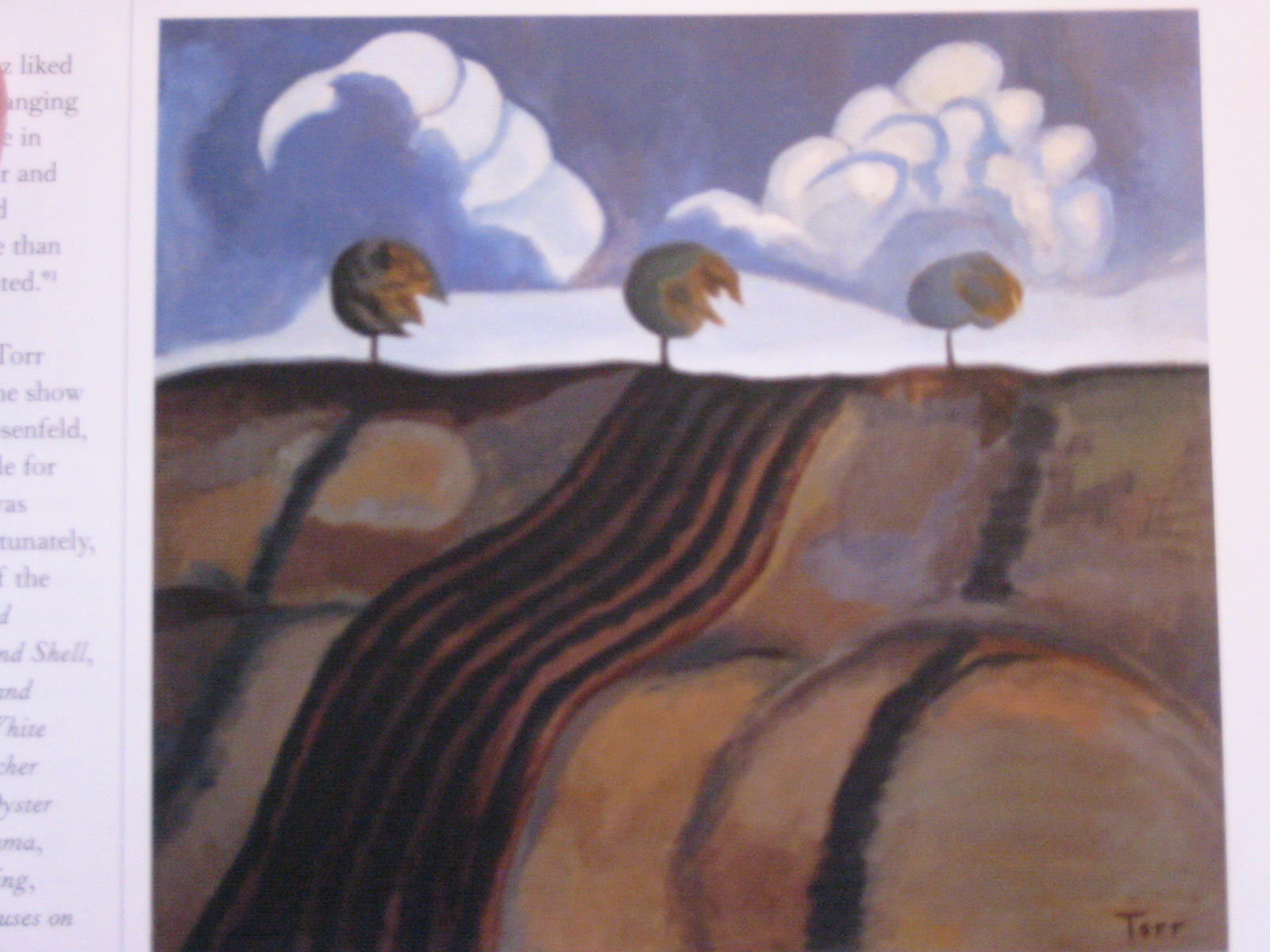
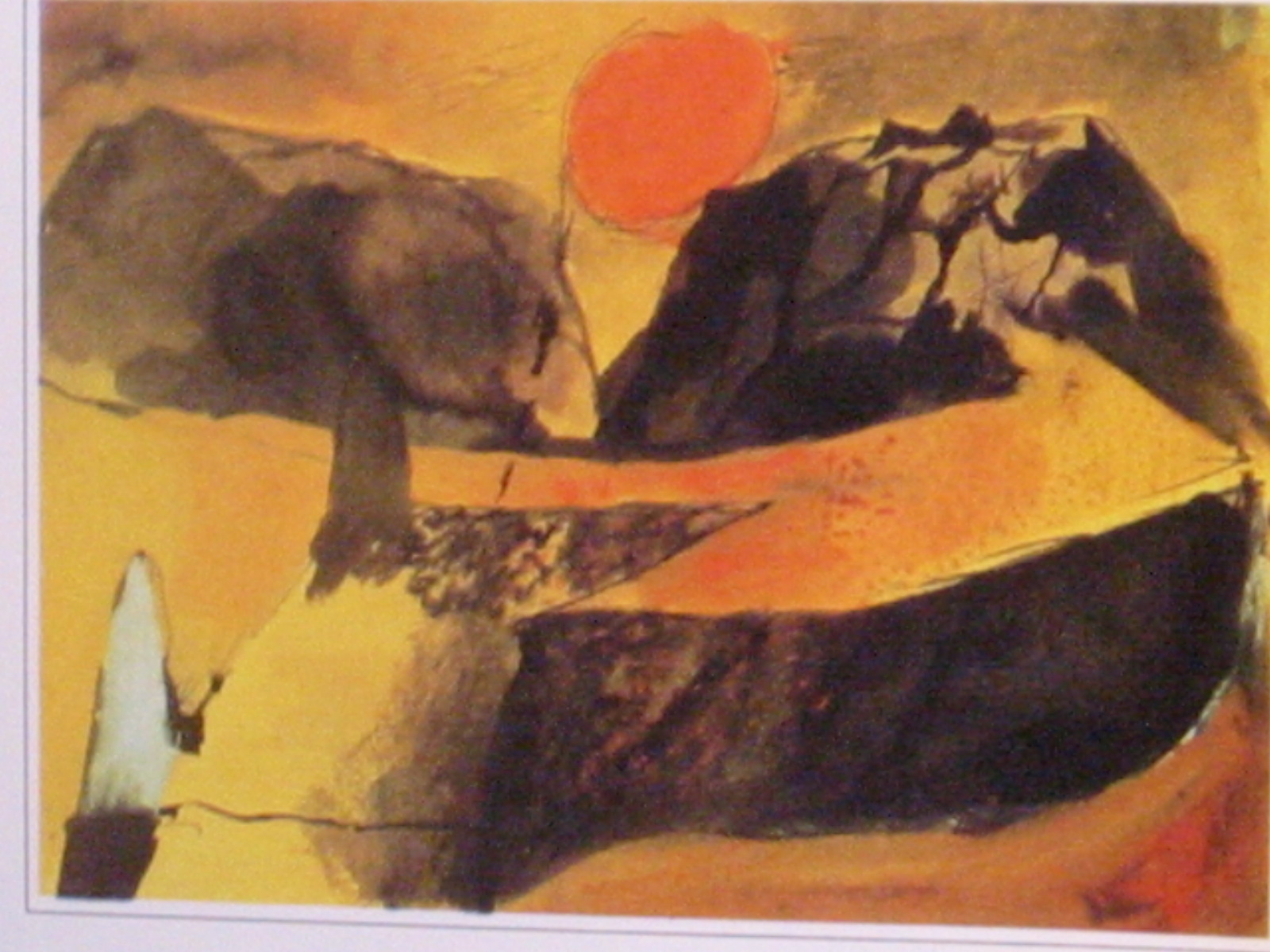
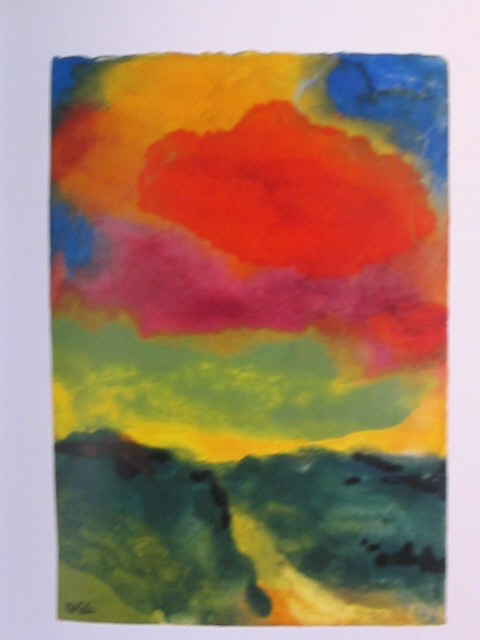
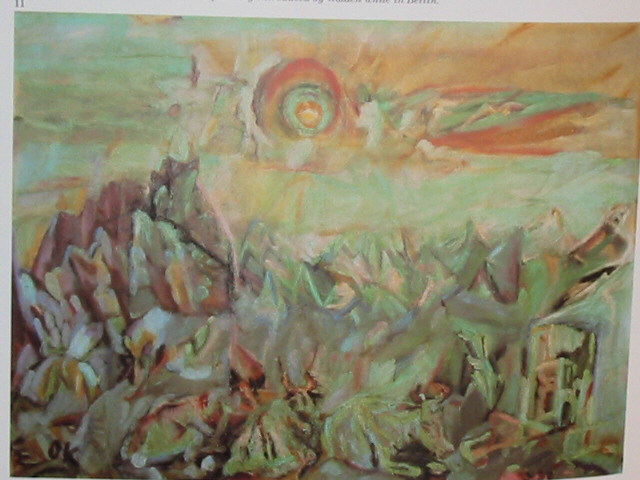
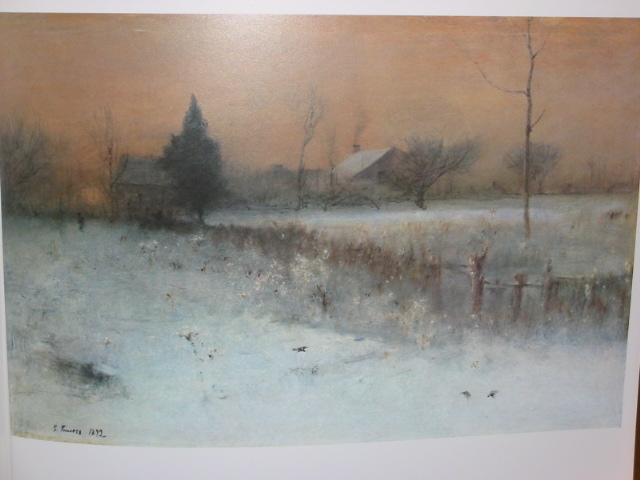
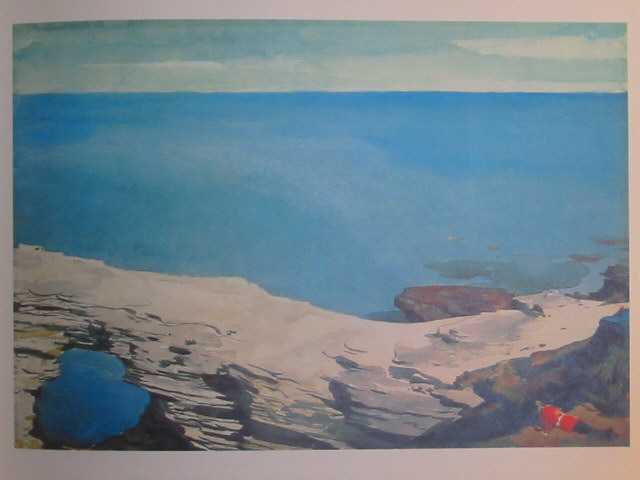
Below are a collection of landscape paintings.  Notice your reaction as you view each one.  What contributes to that?  Is there anything that might influence the resolution of the landscape painting on which you are working?

Posted in Uncategorized | Leave a comment

This Land is Your Land

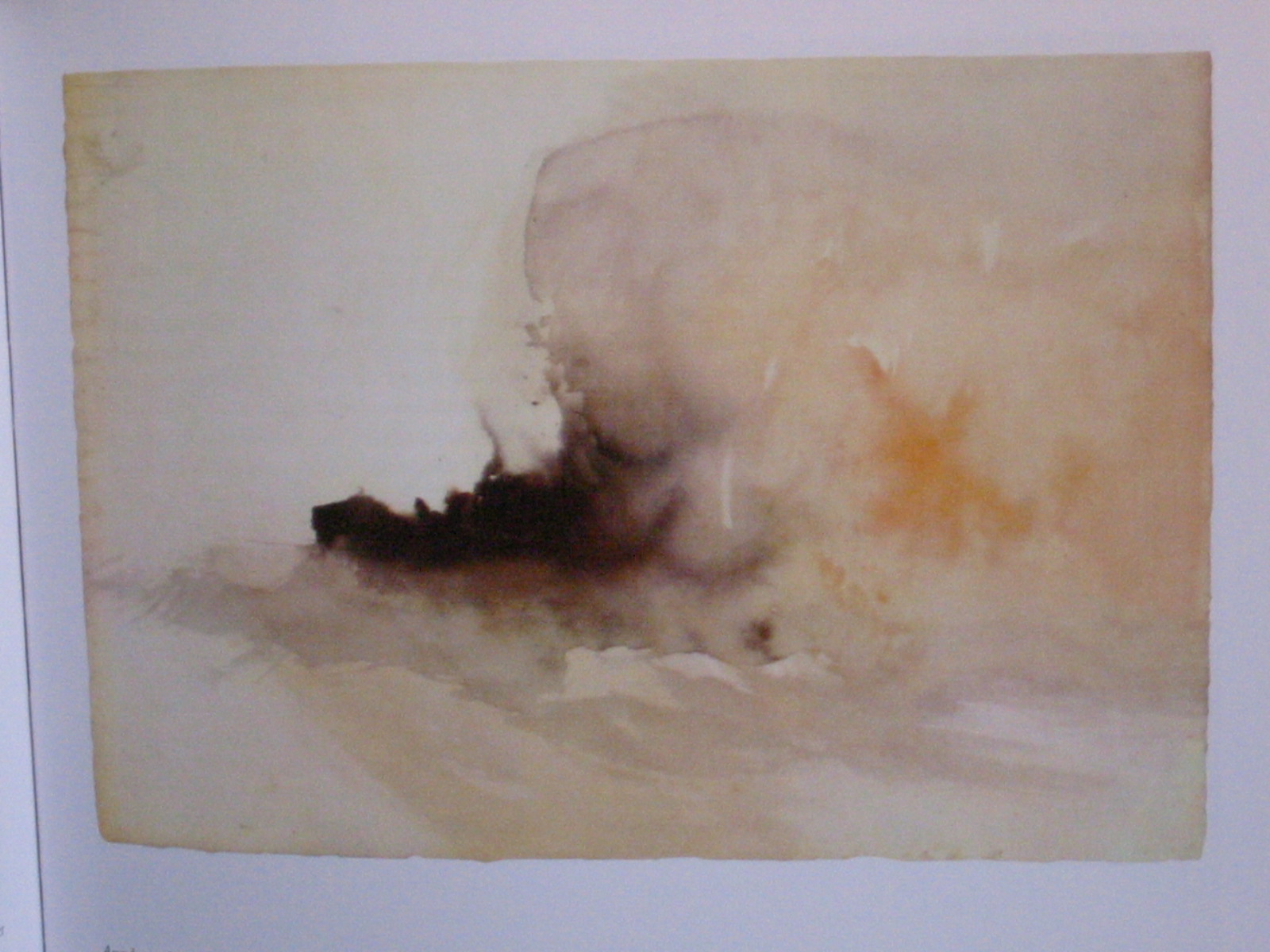
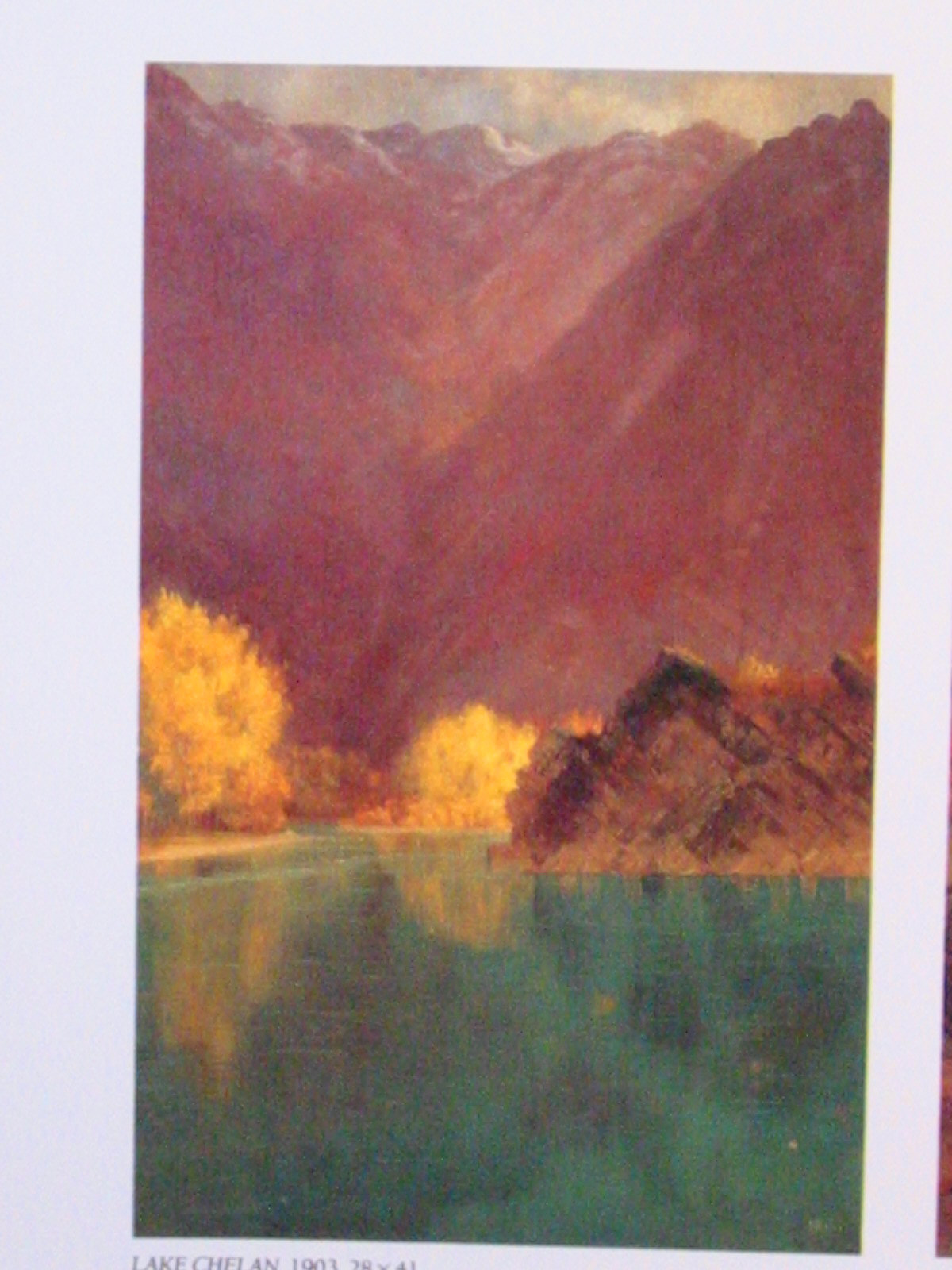
Landscapes—whose are your favorites—Turner’s? Van Gogh’s? Monet’s? Bierstadt’s? Diebenkorn’s?  Can you picture the paintings done by each one of these artists simply by reading their name?

Landscapes can evolve from a multiple of sources.  They do not need to be created en plein air or from a single photo of a visited or a desired-to-be-visited place.  They can come from recall, imagination, or a whiff of a memory in which we can just glimpse the light and forms of place in our mind’s eye.

Universally human response to landscape is presented in the theory of “prospect and refuge” simply described by Dr. Mark Burton (Maxine’s husband):Prospect- Opportunities visible ahead of you: a few cattle in a pasture and a path leading toward the horizon along a flowing stream of clear water. Refuge- Protection from behind: the pasture is visible from beneath some overhanging branches suggesting that you are looking out from the edge of the forest, or even better, from the side of a bluff.

Visual preferences caused by evolutionary advantages that genetic predisposition. Examples – Apparently no matter where a population lives geographically, there is a measurable average preference for savannah landscape. Evolutionary psychologists theorize that this is the residue of eons of evolution on the African savannah.
We prefer shiny things, theoretically because, in part, they mimic the reflection of a pool of clean water.

This week we will navigate the landscape in a manner designed to prevent riding in the “ruts” of obviousness. Although horizon lines are welcome.  Any materials, any substrate, including underpaintings—all ok.  We’ve used this method before—no whining, (you all loved it in the end.)  Two weeks for this so if your’e quick, work on several.

Posted in Uncategorized | Leave a comment