Evaluating 10/18/2010

Hi All,

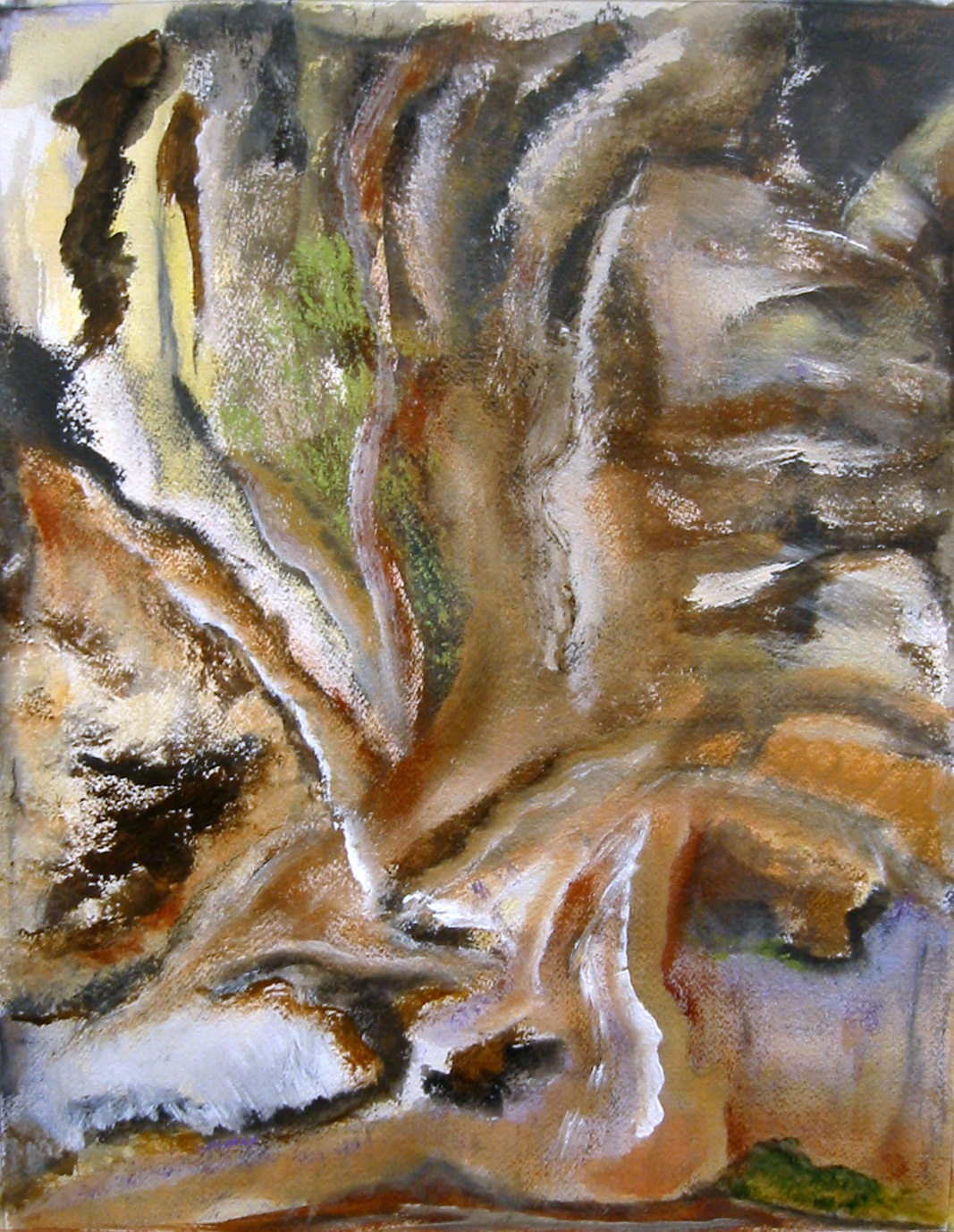
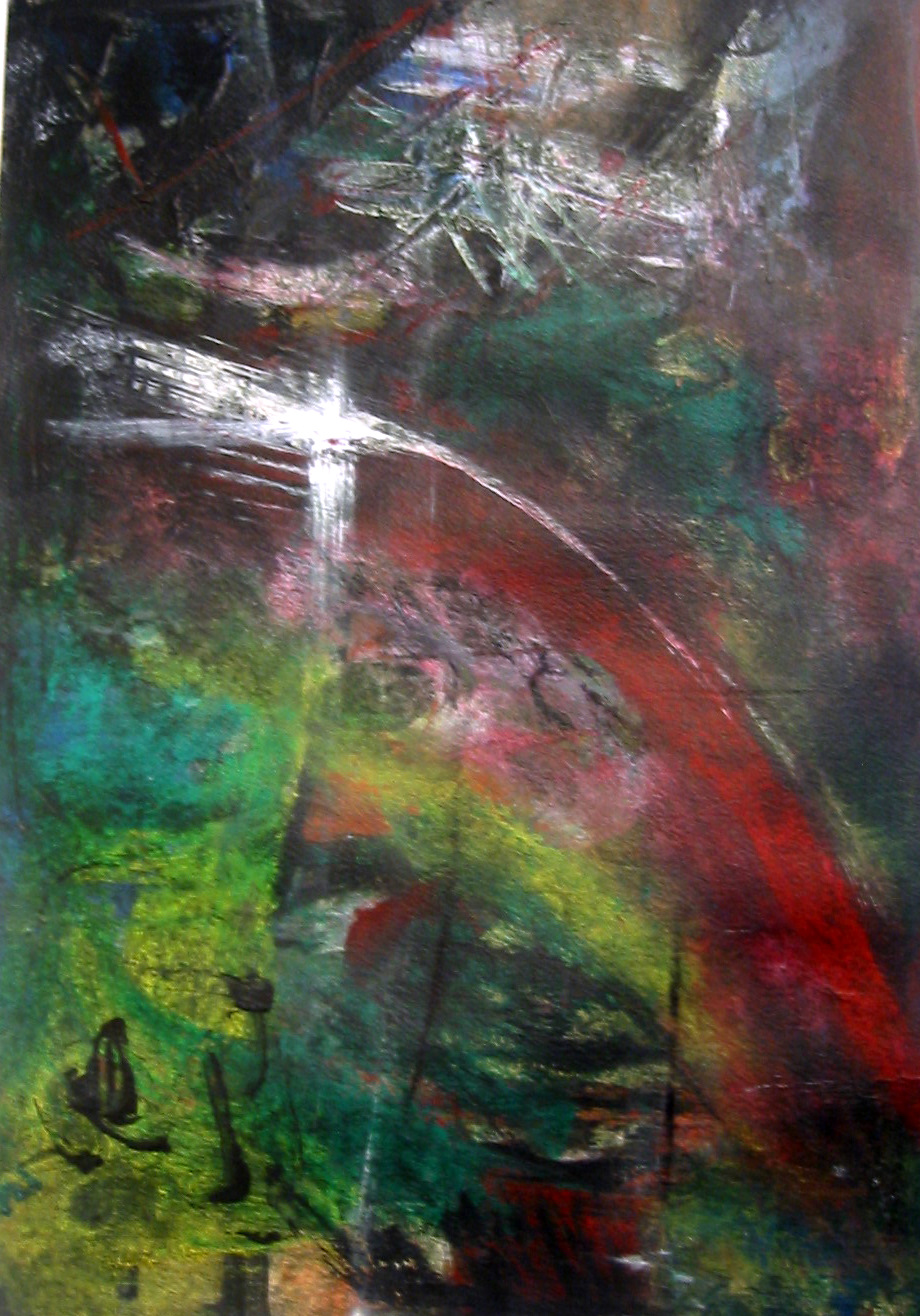
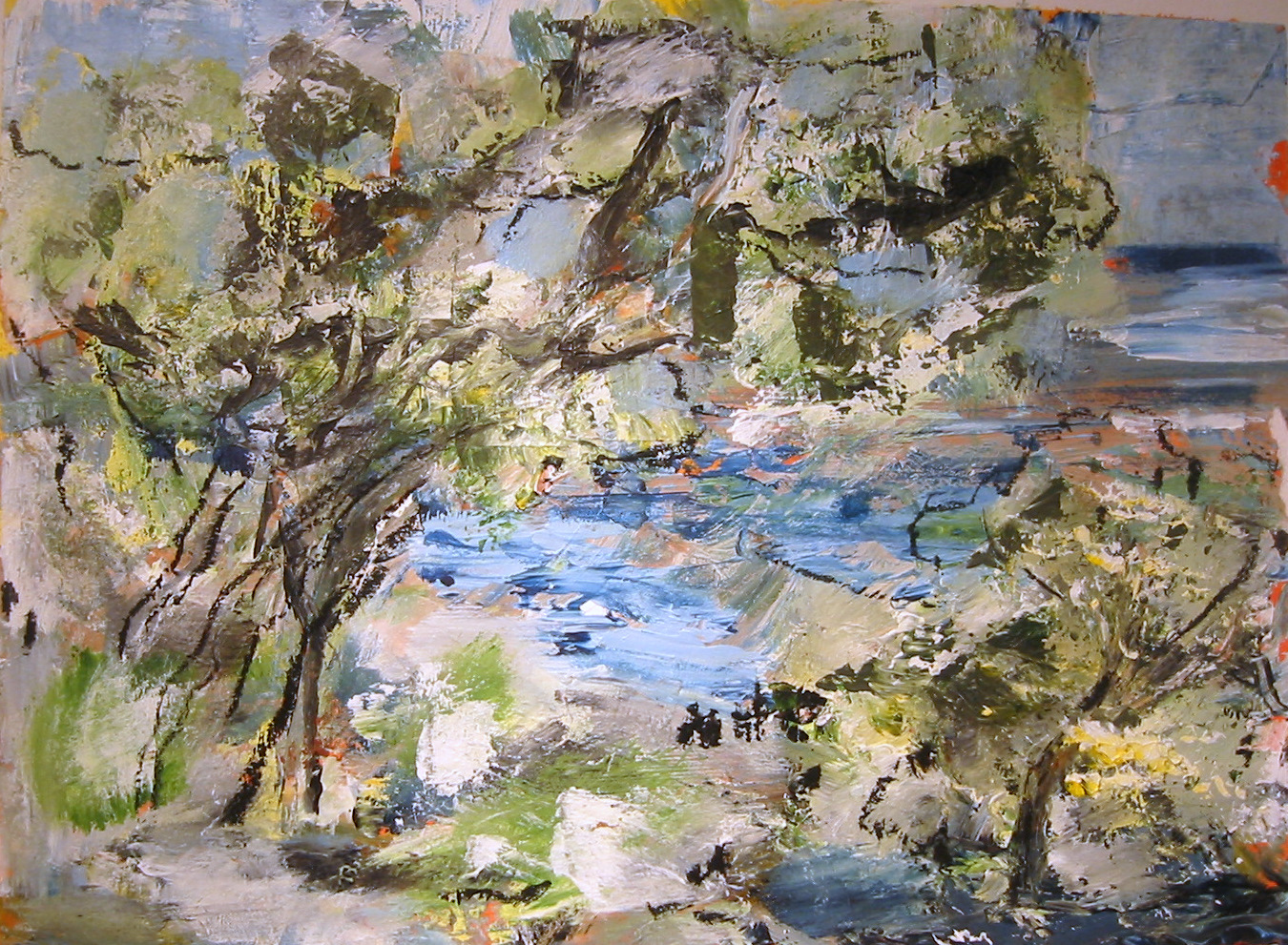
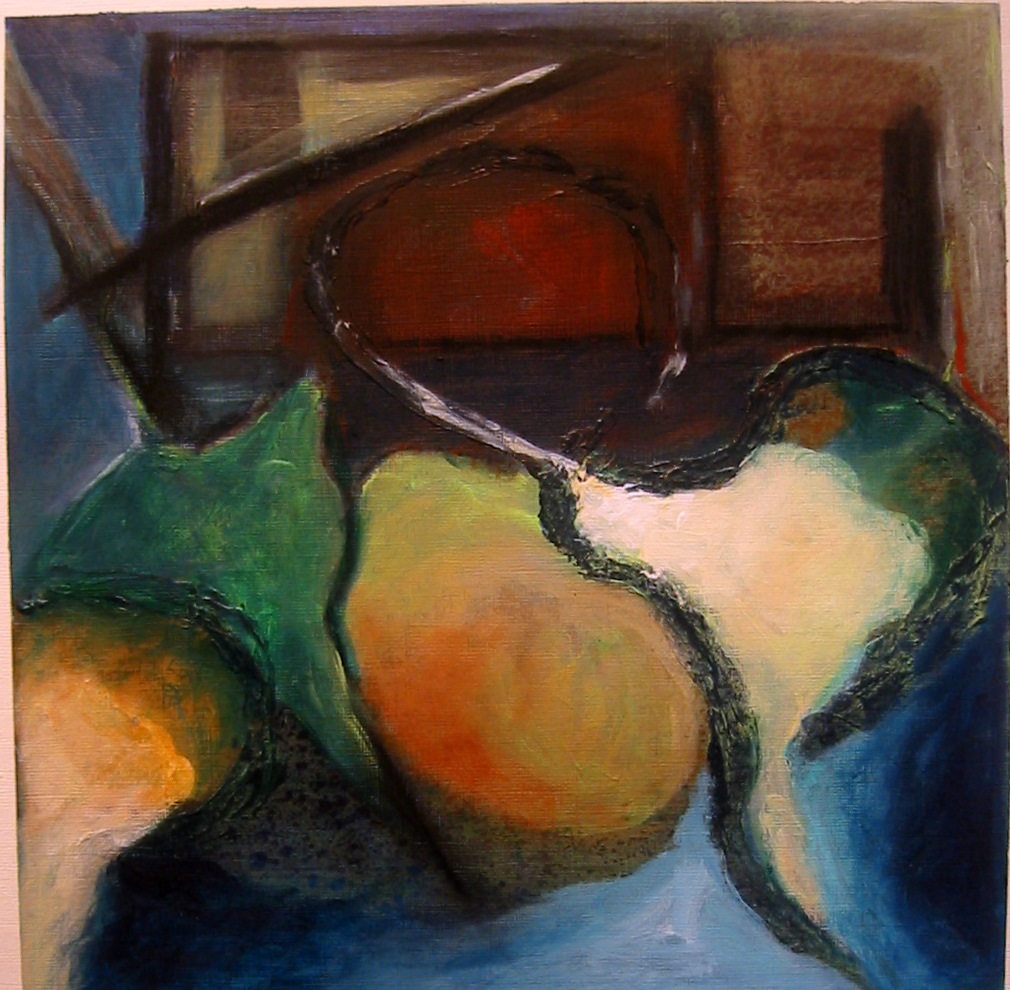
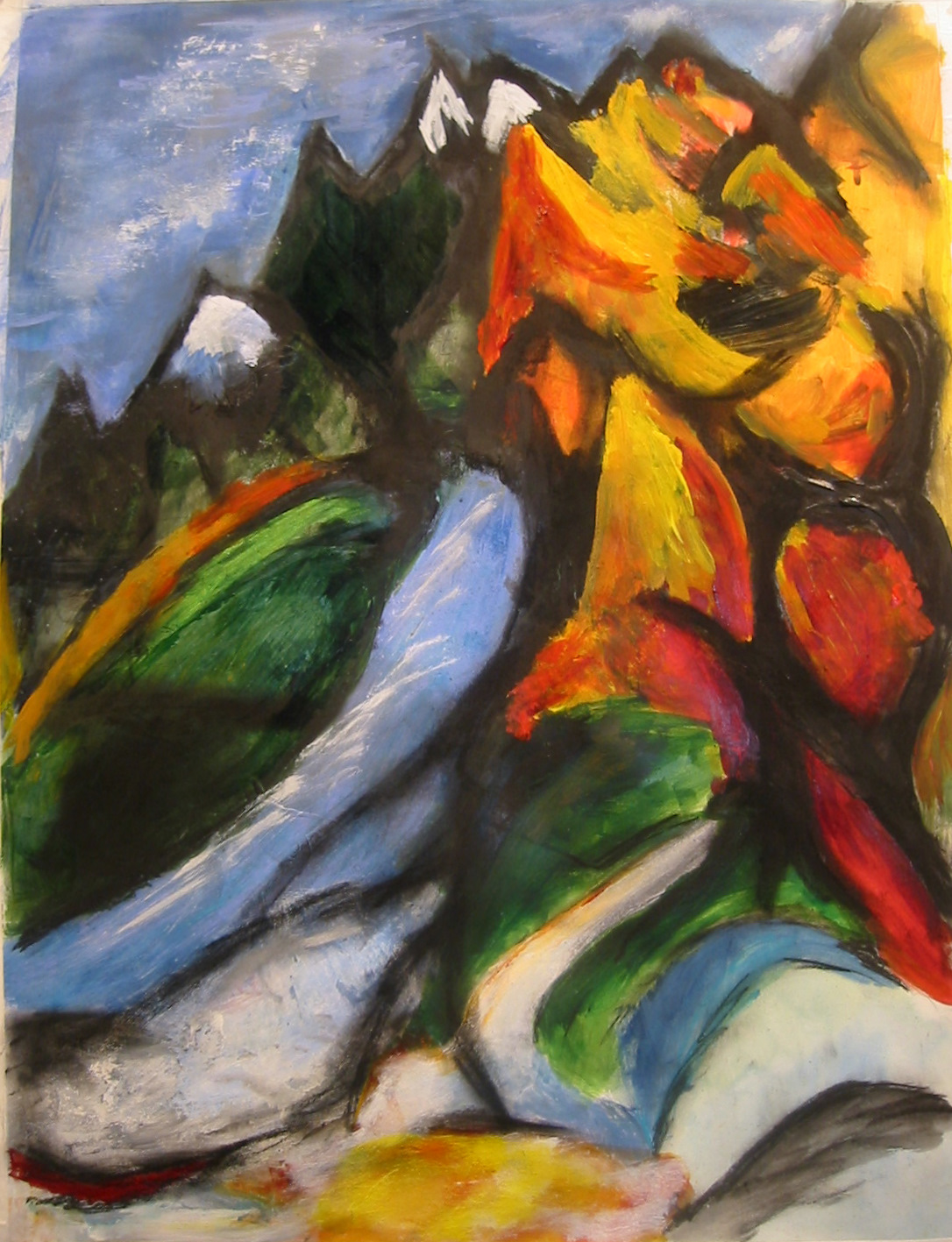
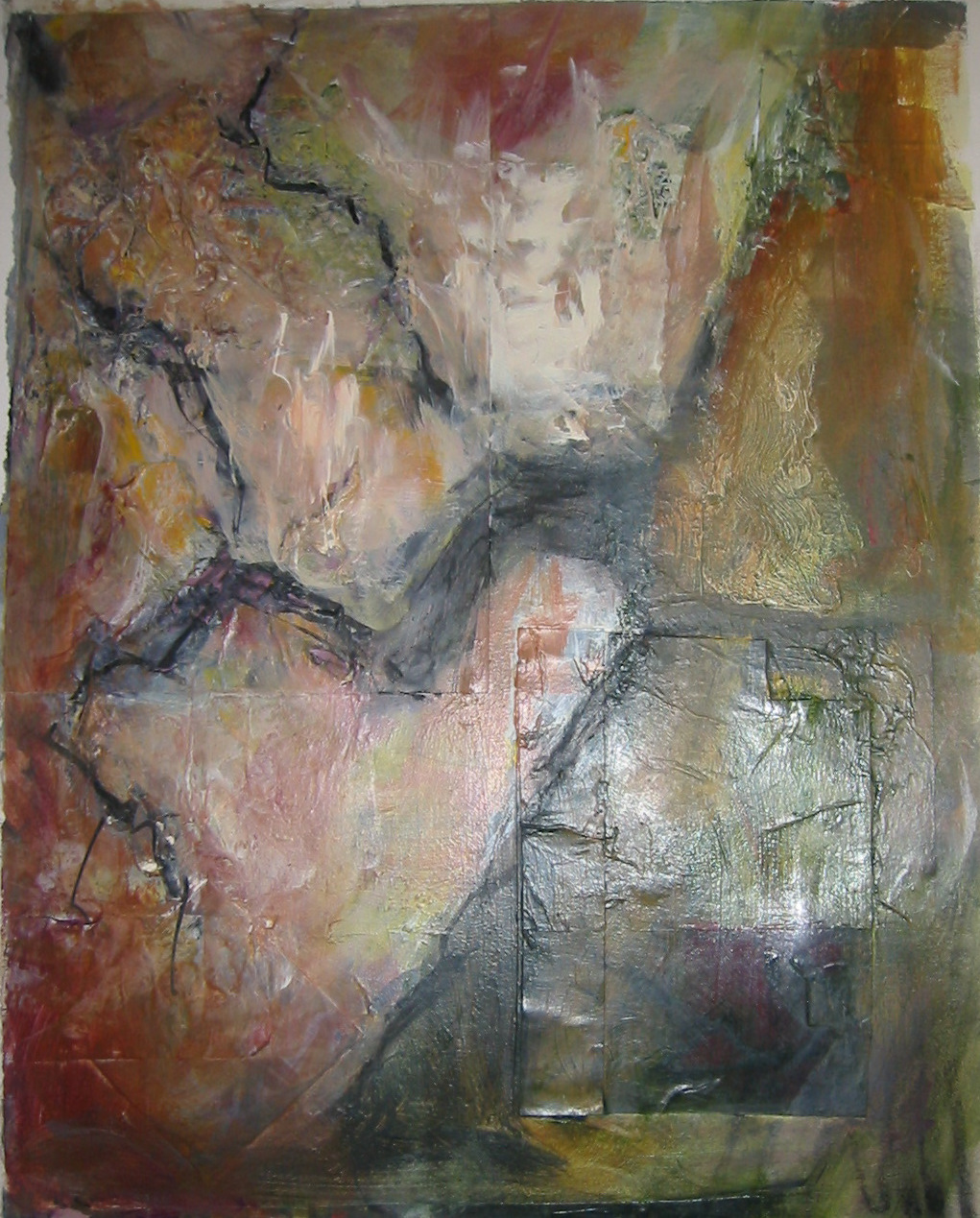
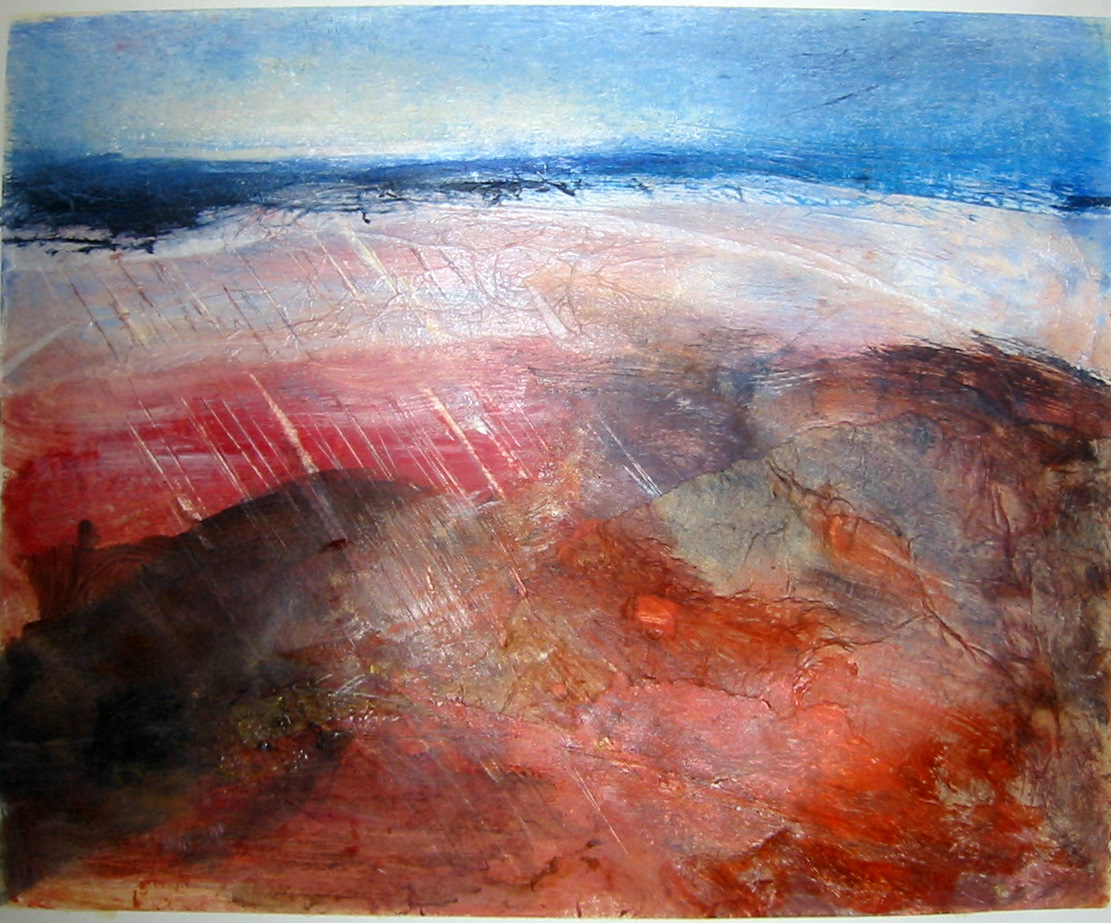
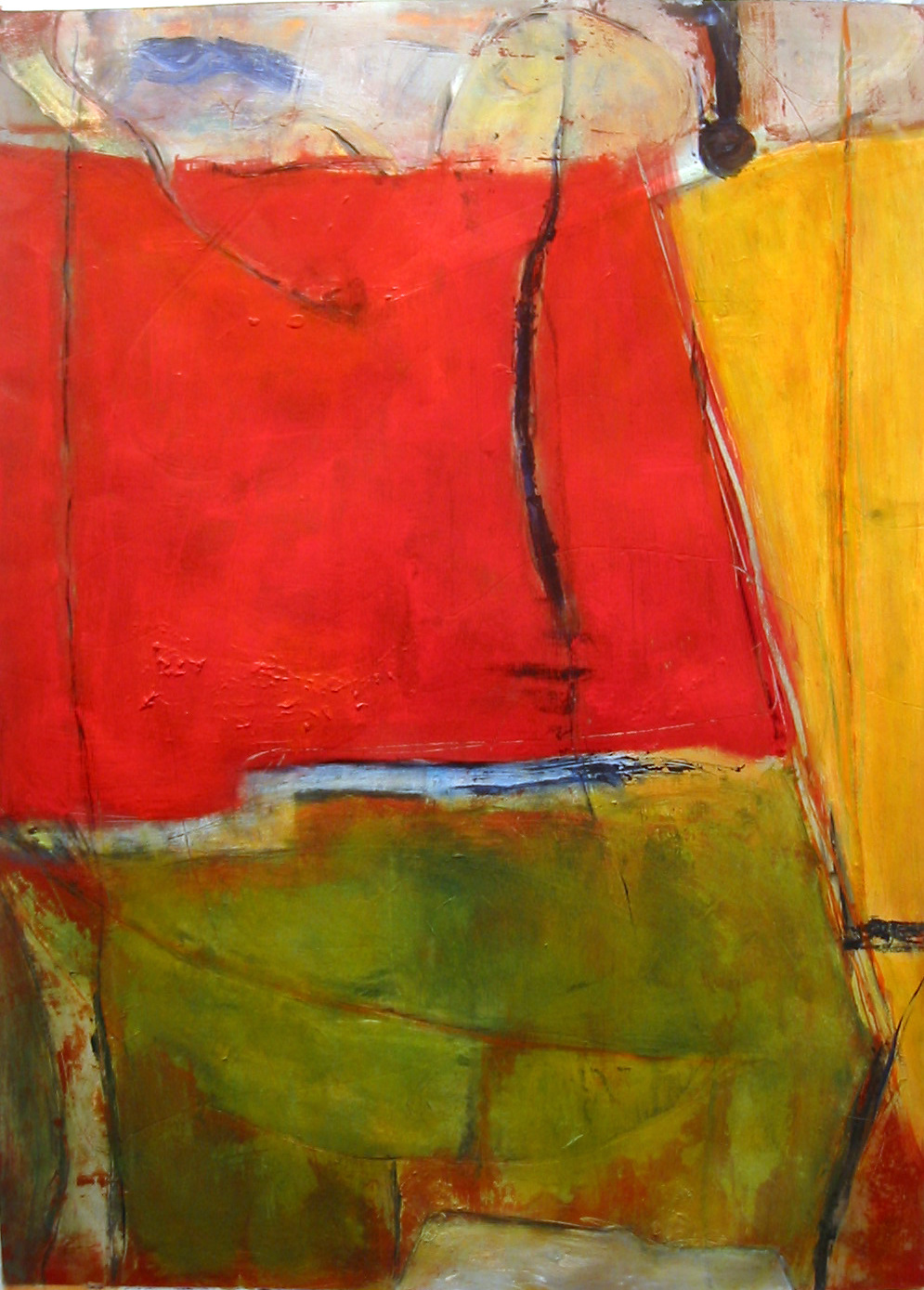
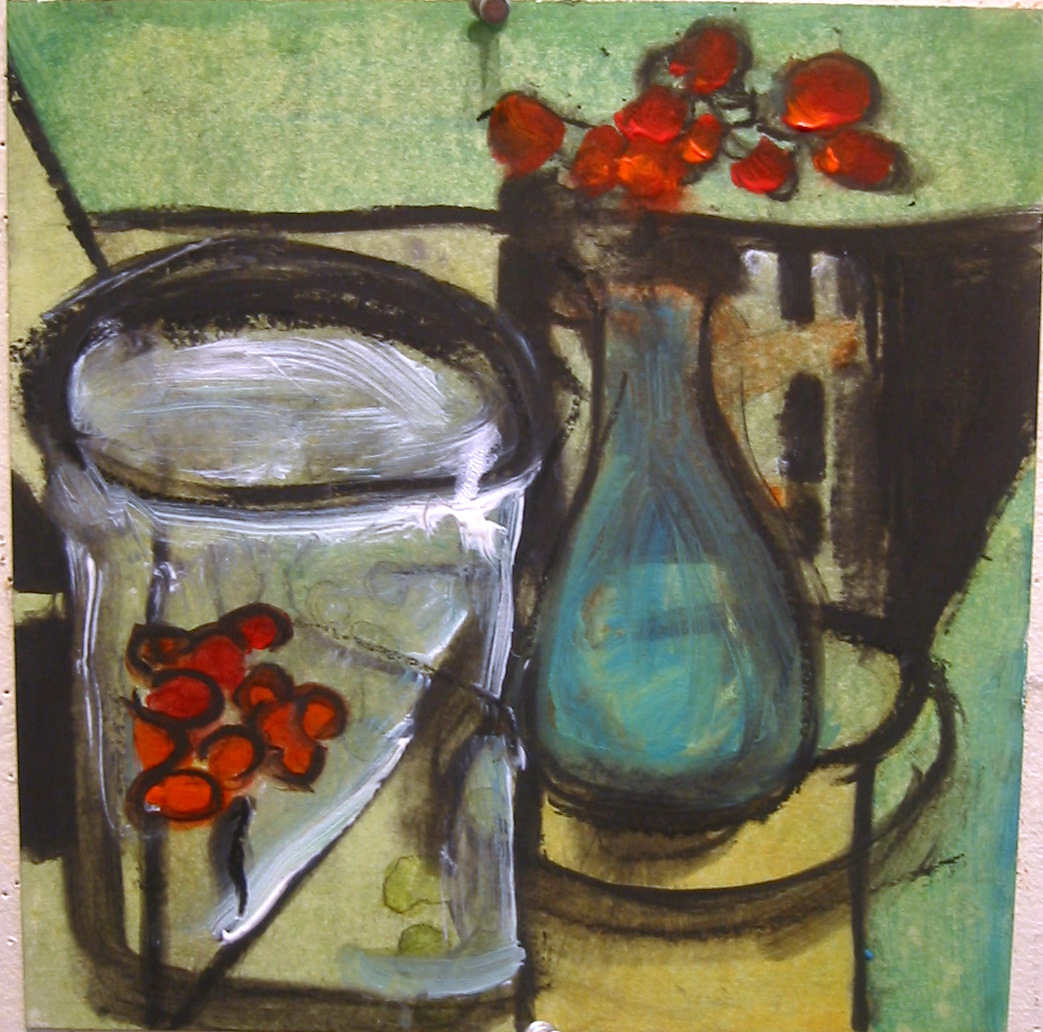
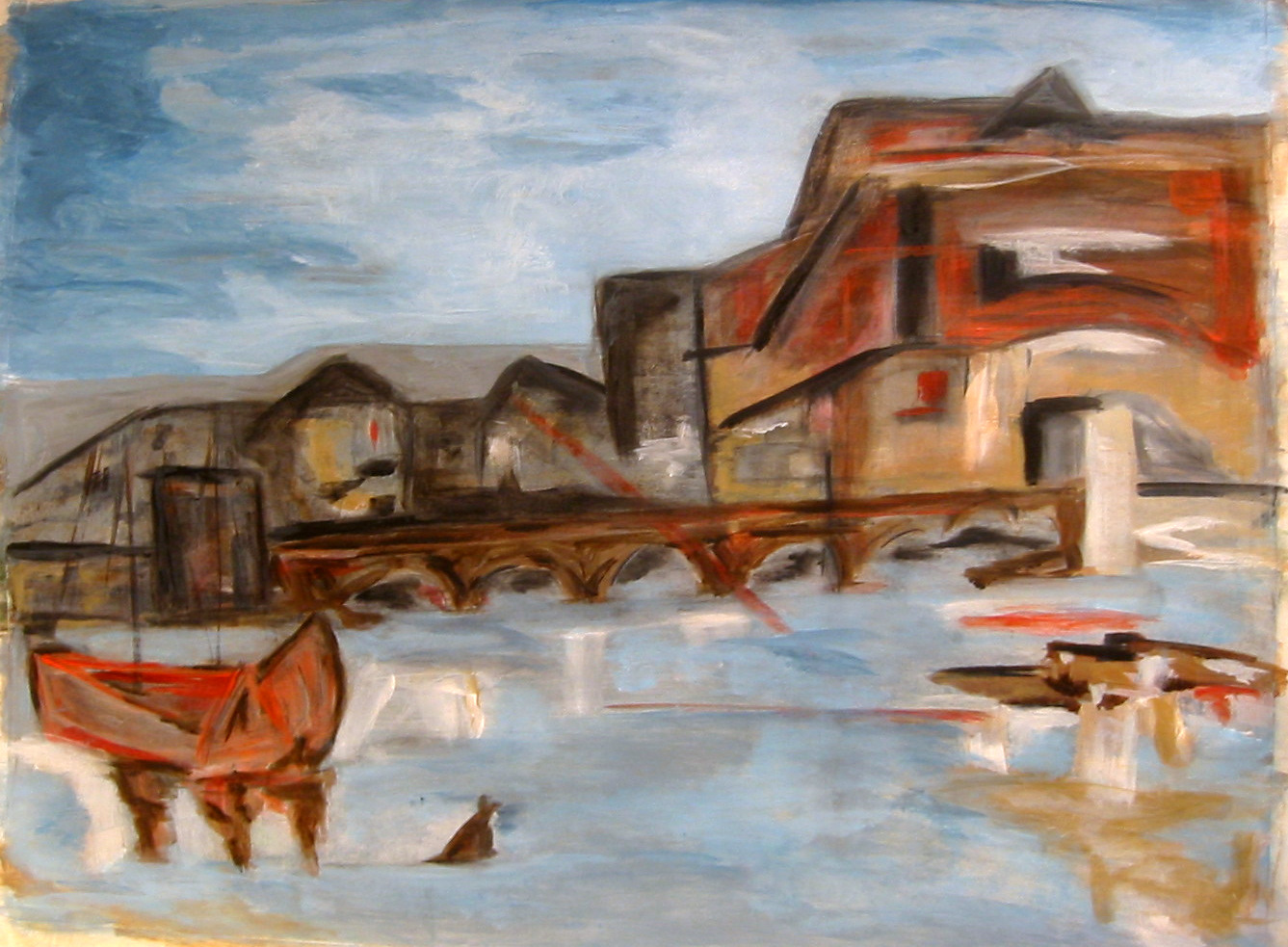
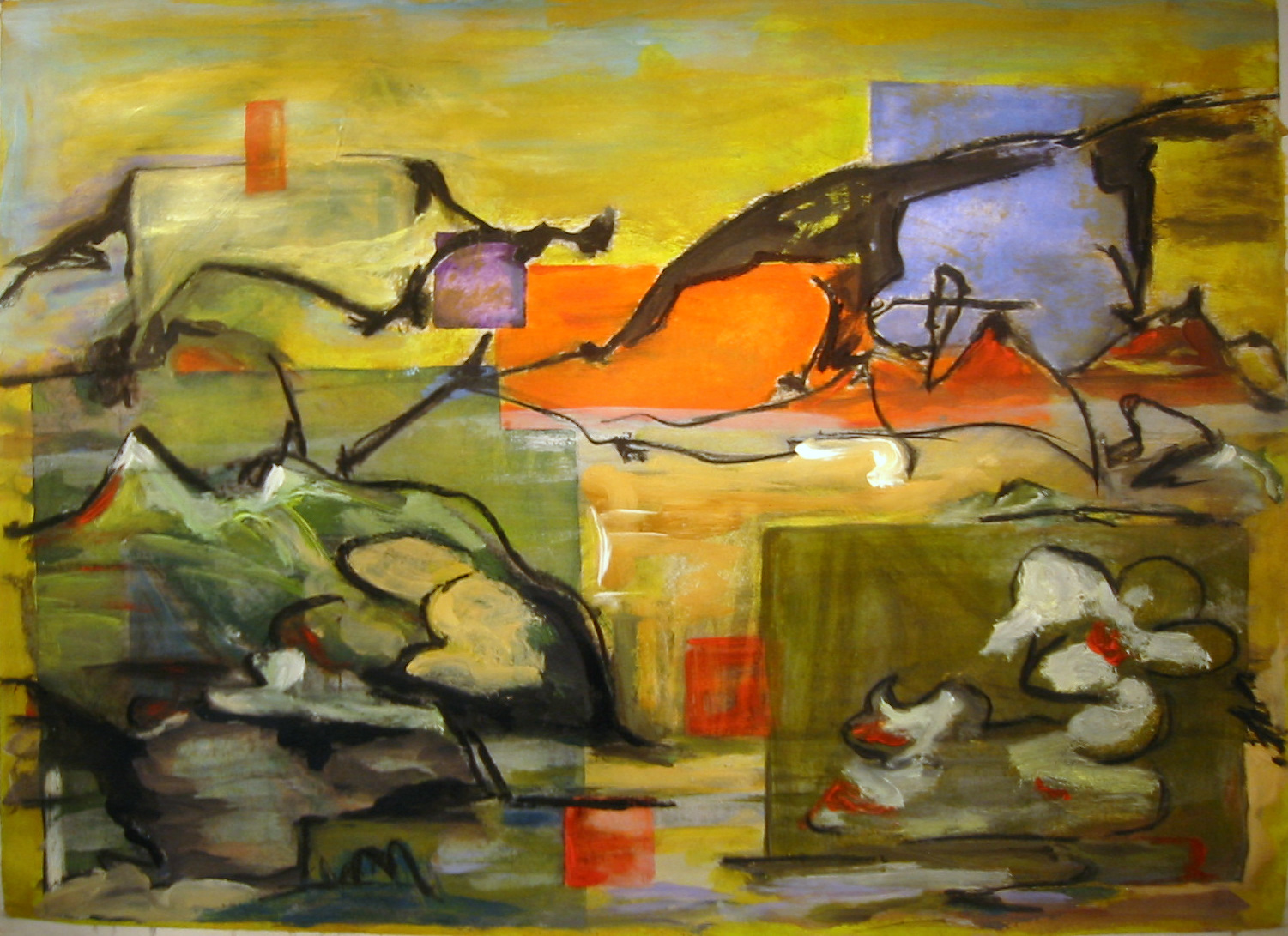
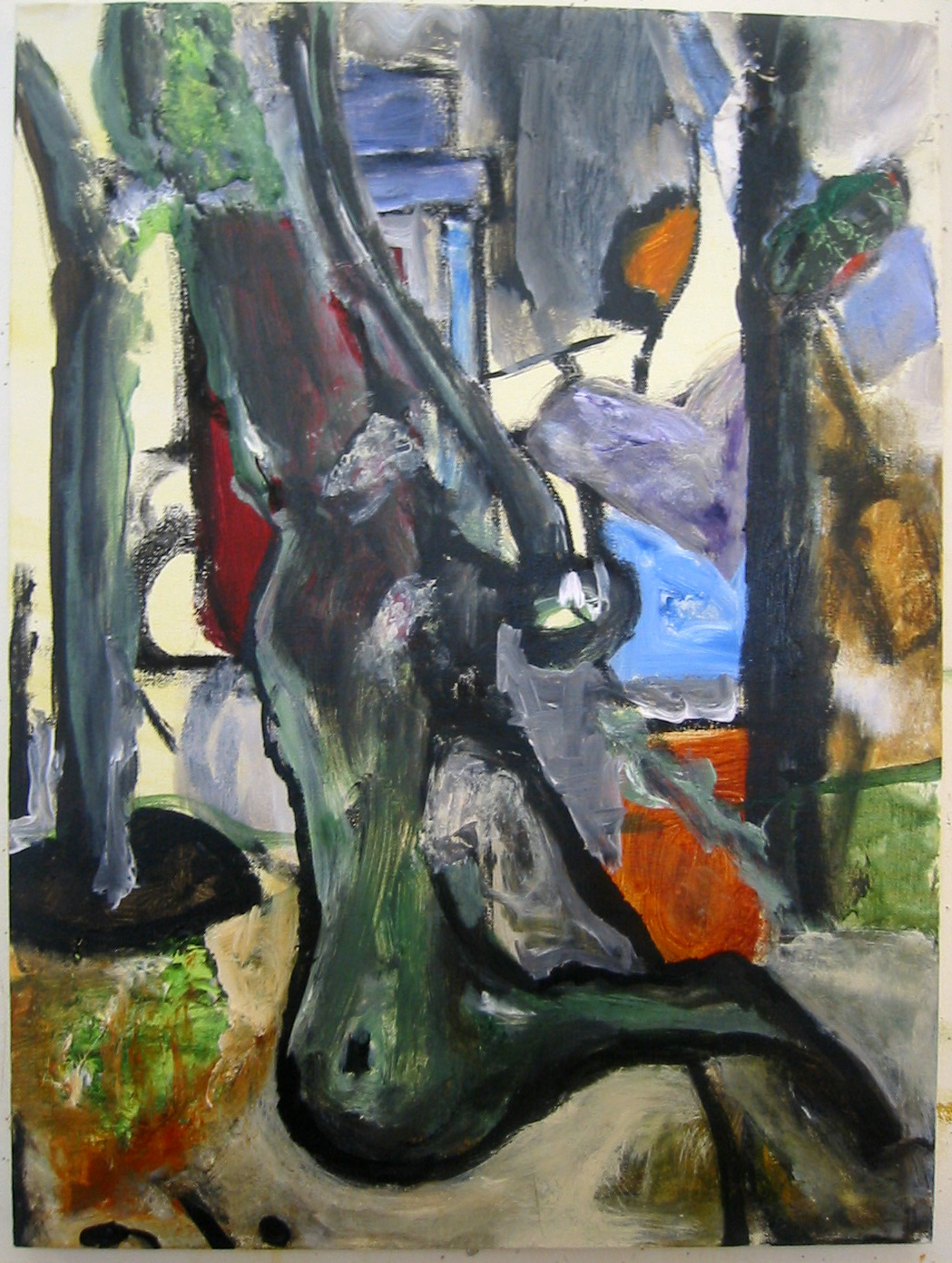
The depth at which everyone is exploring in anticipation of exhibition becomes increasingly exciting. Several people have examined their work and have been surprised to find that there is indeed a common theme. They are also surprised to see the effect of a mat and frame.  And some folks are finding that a recent blast of inspiration has turned things upside down.   Talk backs reveal different perspectives. Viewpoints are pushed in new directions. Sometimes the artist is downright surprised by what others see.

Seeing.  This is the time to “see” as much as you can–to spend time looking, to wonder and ask, to hear, to ponder, to re-evaluate, to change.

This week our task is to sit with groupings of work and a cup of tea.  I will make my wall available as well as the two classroom walls for scruntinizing.

Stealing again from Robert Genn, here is a list of thing to ask yourself. There is nothing we haven’t asked before, but it is nice to have reminders.   “It’s your ability to make choices that leads to effective, professional and unique work….In that area, in that place, I wonder what it would look like……

if that light over there really dazzled?
if there were an extreme gradation?
if darks were really punched in?
if that color were rethought and sophisticated?
if that color were intensified or changed?
if curves took precedent over straights?
if this were made to line up with that?
if there were a further element of depth added?
if that place could be better formed?

I would ask about integrity of:  form, of the whole, of the message of the endeavor. I would also ask what sustains my criticism of my work? What pleases me about what I see?  How much do I trust what others see? Answers will come over time. There are many and they are ever-changing.

What would you ask?

Posted in Uncategorized | Leave a comment

PERFORMANCE PRESSURES


As everyone is busy framing and preparing work to be put on view at our open studios, performance anxiety might be rearing it’s ugly head.

I hesitate to equate our process with “performance”, because it is really never about that, but it does come into play.

Our opening exercise are often designed to get over the “hump” of performance pressures. But finding ways to practice techniques on your own so you don’t get too “screwed into” an intention or an expectation is a good thing. Psychologists have written much about this, but a recent publication is discussed below in a heavily edited excerpt from Robert Genn’s recent blog. (The full post can be read athttp://clicks.robertgenn.com/prevent-choking.php )

Anyone can choke, but the more experienced you are the more likely it is.  The more time you have to think, the more likely you are to choke. Quick, intuitive thinkers don’t choke as often.

Sian Beilock, a University of Chicago psychologist, says it has to do with roadblocks in the brain.

Singing helps. It distracts the “analysis paralysis” that comes from knowing too much. Humming is like a mantra; it calms the brain. In Beilock’s research, people who meditate choke less.

Pressure to perform, persistent worries, a guilty conscience and general nervousness are all causes of choking. Further, the mere act of trying to increase your control over something can backfire, disrupting what can be a fluid performance.

Pressurized situations apparently deplete that area of your brain (prefrontal cortex) that contains what psychologists call “working memory,” a sort of mental scratch pad and info storage area. With stuff temporarily erased or obscured, it’s hard to get it back when you need it.

Another choker Beilock identifies is “stereotype threat.” Example- when someone thinks they can’t do something because of age, gender, race, etc, they often can’t. It has nothing to do with their natural ability, and all to do with their beliefs. Art students who know in their heart they can never do as well as their classmates or instructors, for whatever reason, won’t.

“Highly practiced putts  (golf reference) run better when you don’t try to control every aspect of performance.” (Sian Beilock, from Choke: What the Secrets of the Brain Reveal About Getting it Right When You Have To )

Esoterica: Our brains are also in the business of sabotage. Practice tends to stymie sabotage. “Think about the journey, not the outcome,” says Beilock. Where have we heard that before?

Posted in Uncategorized | Leave a comment

A Colorful Time of Year- 9.29.2010

“If form is the attribute that makes abstract art intelligible and deserving of attention,…, color is the element that may induce delight and that should imbue the painting with the unique psyche and spirit of the artist.”  Morris Davidson—(Abstract expressionist painter and teacher in NYC in the 50’s and 60’s.)

Color and paint—what could be more delightful!  Anyone who regularly picked their way through a box of 64 Crayola crayons knows what sheer excitement can be felt simply by watching color spill onto the page.  But color theory can take the joy out of those lusciously arranged colors and numb the mind with of its complexities.

This week, in response to Mary’s request to learn more about the function of color, we will dabble in its theories’ history and sprinkle in a few exercises designed to illuminate but hopefully not to bore.

The following is  a VERY brief sketch of color theory history.

Newton in the 1660’s discovered that various mixtures of light, determined by wavelength, made color visible to the human eye and that three colors could not be made by mixing— Red, yellow, and blue. These became known as primary colors. He placed them on a circular diagram to show how primary colors mix to create secondary colors and how secondary colors mix to create tertiary colors, etc. In addition he theorized: that when colors furthest away from each other on the “color wheel” were mixed they made the dullest mixtures—hence complimentary colors make neutrals; and that color harmony can be best achieved by grouping colors closest to each other on the color wheel; and that when complimentary colors are placed next to each other on the picture plane, they cause a certain electricity or brightness. http://www.createarevolution.com/media/blog/body/color_cb.jpg

Goethe who studied the perceptual effects of color in the early 19th century, added another dimension to color theory. “Plus” colors, such as red and orange, generated feelings of warmth while “minus” color, such as blue and green, generated feelings of coldness. This influenced the likes of Kandinsky and Klee in the 20th century who equated color, not only to feelings but to music and to spirituality.

Then along came Hans Hoffman in the 20th century, whose theory of Push/Pull was often dominated by the idea that warm colors came toward the viewer while cool colors receded. He was followed by the master of modern color theory, Joseph Albers whose life work culminated in the demonstrations of how color affected color and visual perception in the “Interaction of Color”.  (For a fun illustration of this try this game at the following link: http://marilynfenn.com/color-theory-exercises/color-theory-exercise-1/ .  On the right hand side of this blog by Marilyn Fenn are 18 of these color illustrations.)

The advent of paint in a tube eliminated the need for much understanding of color propeties as color mixing became less necessary. But mastering as much color knowledge as possible can lead to a certain ease in achieving desired effects–and it can be gleaned by experimentation and play. 

This sketch barely scratches the surface of the hows and whys color and its myriad of effects.  To play around on your own here are 3 simple color exercises (which will be done in class) borrowed from Robert Genn:

Take a small card or canvas and divide it into six areas. The first on my list is an easy one. 

1. Paint a smooth gradation from warm to cool or cool to warm. 

2. Using a red, a yellow and a blue, or a green, a purple and an orange, paint three equal-intensity colours side by side. When you half close your eyes, they should all be about the same value. 

3. Without showing any form, paint something that appears to protrude from something that appears to recede. 

The effects of color will be continually addressed over time in our class meetings.  THE BEST APPROACH TO COLOR IS TO PLAY!

Keep the spirit remember the fun. The science, the technical will come.

Posted in Uncategorized | 1 Comment

Exhibition~ 9/22/2010

It is exhibition season! Cool, damp, shorter days send people indoors traditionally leading museums to announce their  new schedules and serious art galleries (whatever that means) to feature their “heavy hitters”.

According to Wikipedia: Art exhibitions are traditionally the space in which art objects (in the most general sense) meet an audience.”

“Meet an AUDIENCE…..”

Several people are venturing forth to meet an audience.  Marley has been accepted in a juried show for PSU art alumni and she is also showing her work for one night at a friend’s studio. Leslie and Lois are going to exhibit a piece in a new show about fear at Launch Pad Gallery. Sarah will be hanging her work at another venue in October.  (All, please post details here.) And we, of course, are preparing for the 5th annual ArtHouse 23 Open Studio.

“Meet an AUDIENCE…..”

Hmmmm.  What would you want to display, exhibit, present, demonstrate, show, show-off, etc.,  when you meet an audience? The answers are as varied as the individuals. But there is one piece of advice: Draw something from somewhere. That doesn’t mean render an image with pencil, charcoal or pen and ink. It’s to draw not only from yourself but from a deeper source. The trick is to keep the connection to that which is real while exploring that something that moves and inspires.

I believe it is not only difficult but detrimental to keep this at the forefront while painting. But every now and again it is good to take stock.  To step back and look at the path your work has taken and just like in Alfie ask: “what’s it all about?”

This week we will continue to work on our work.

The audience speaks….An interesting blog records the art sales at galleries in Chicago: http://www.chicagonow.com/blogs/art-talk-chicago/2010/08/the-red-dot-report-8112010.html In it there is a link to a Seattle blog that discusses meaning in art.

Hmmm….

Ps.  Movie time: http://blog.lastfridaycinema.com/

Posted in Uncategorized | Leave a comment

Blooms of Light 9/15/2010

“Conscious of the power as well as the necessity of shade, he took the utmost boundaries of darkness and allowed but one-third of light, which light dazzles the eye thrown upon some favorite point, but where his judgement kept pace with his choice, surrounded with impenetrable shade.”  J. M. W. Turner on Rembrandt

Many of you have expressed interest in learning the technique of layered light.  Shawn’s mother developed a beautiful surface last week that was inspiring. This week I will demonstrate  techniques to achive similar effects. It takes time so I will be working throughout the class on the wall.  Pay attention if and when you want to while continuing to work on the pieces that are in progress.

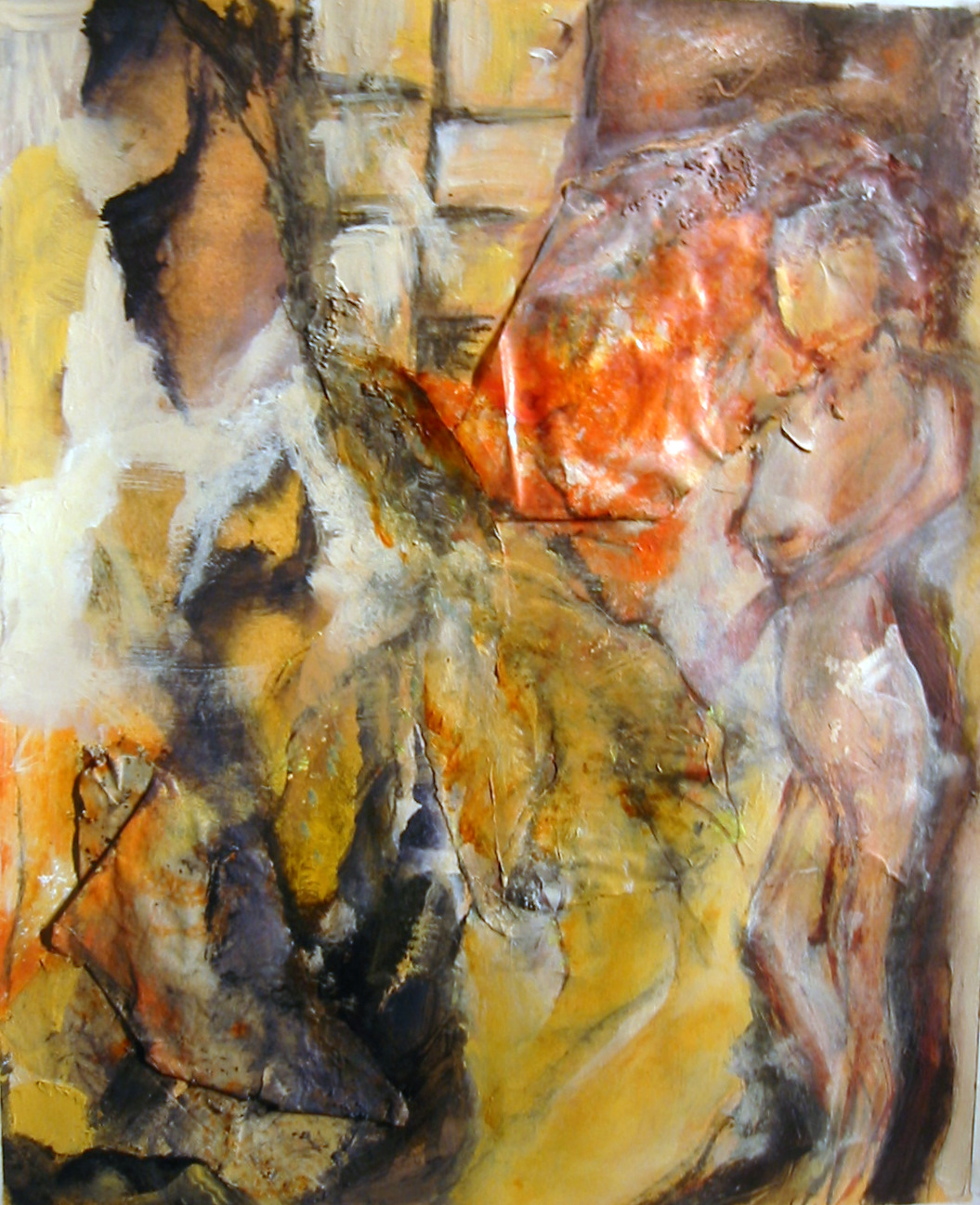
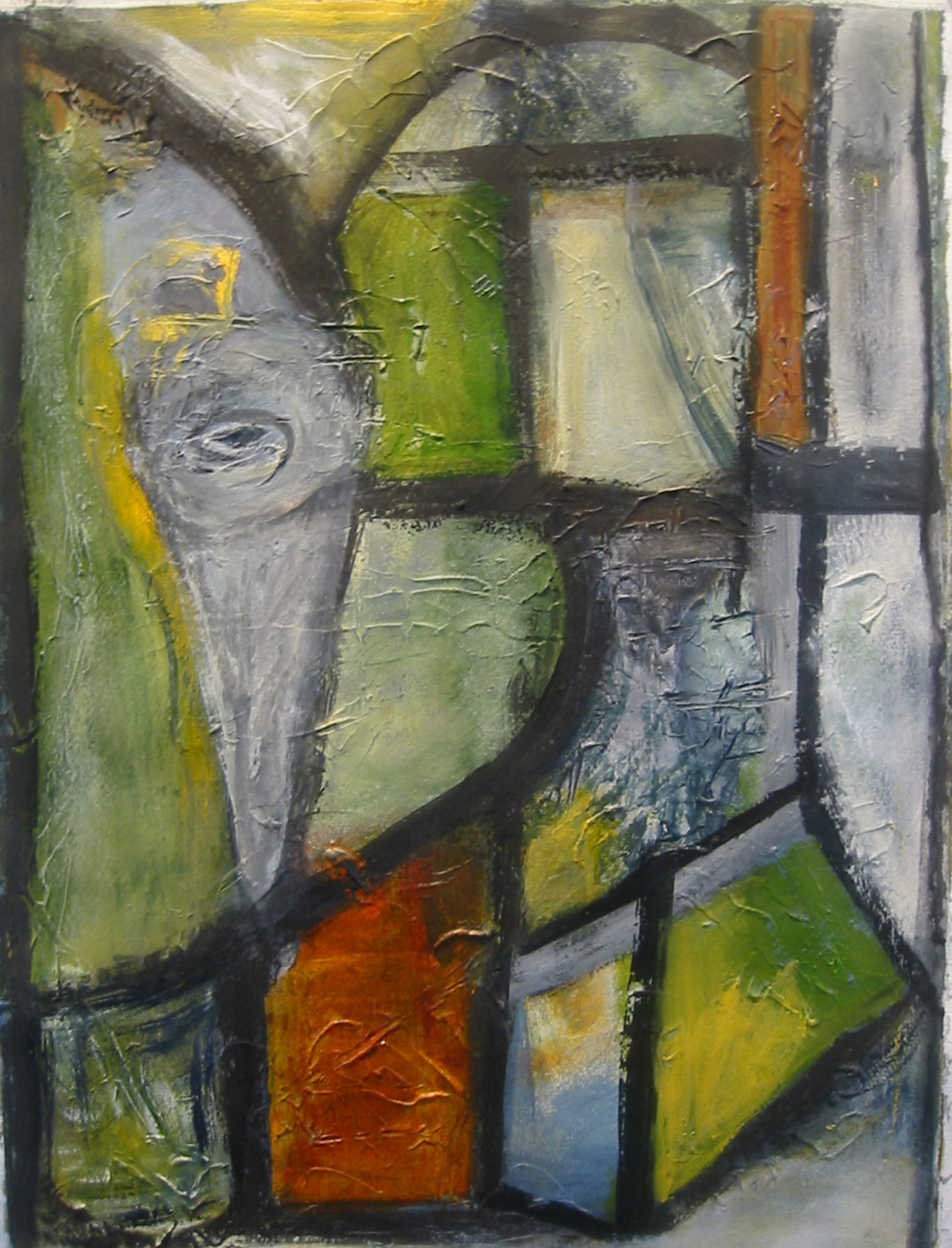
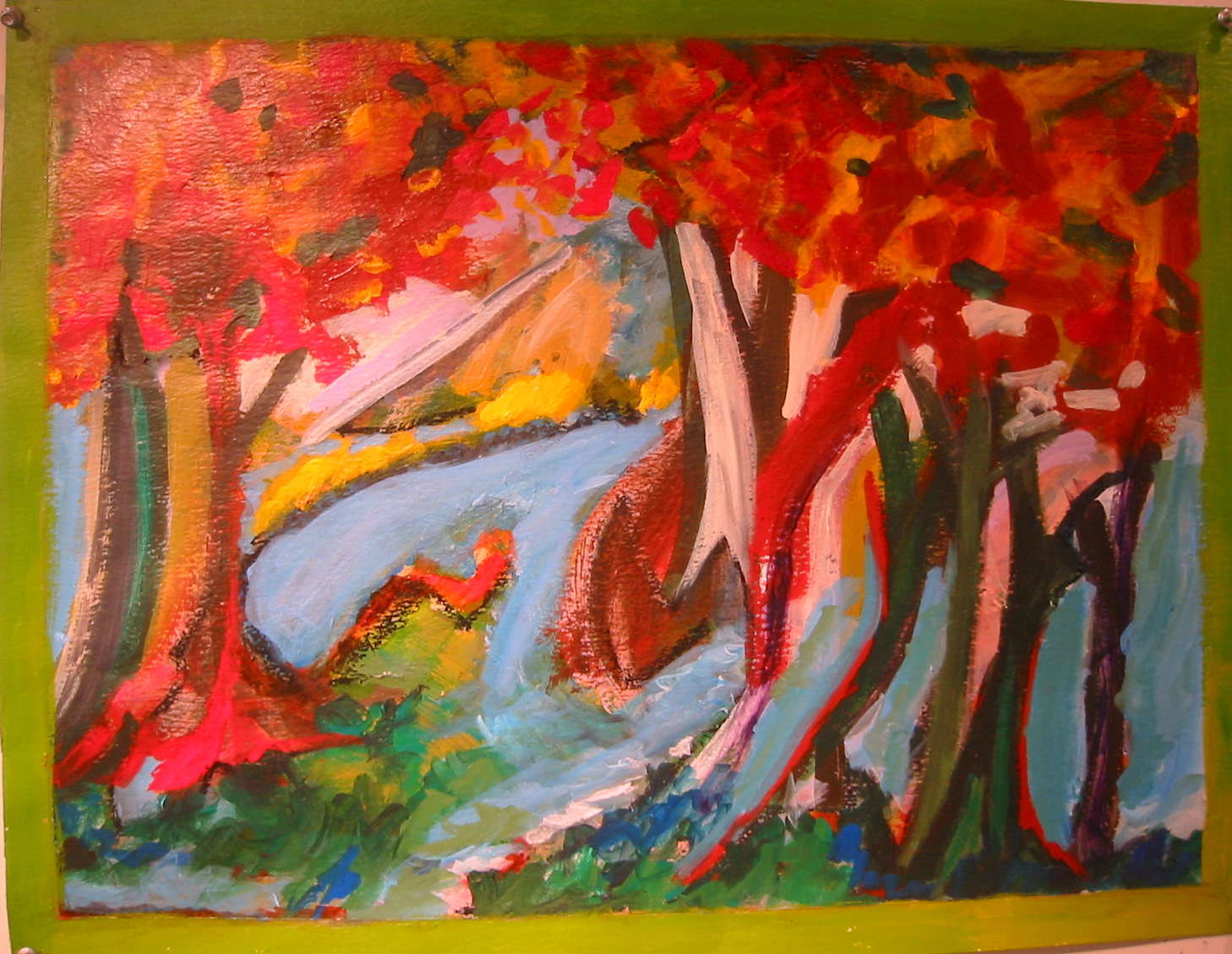
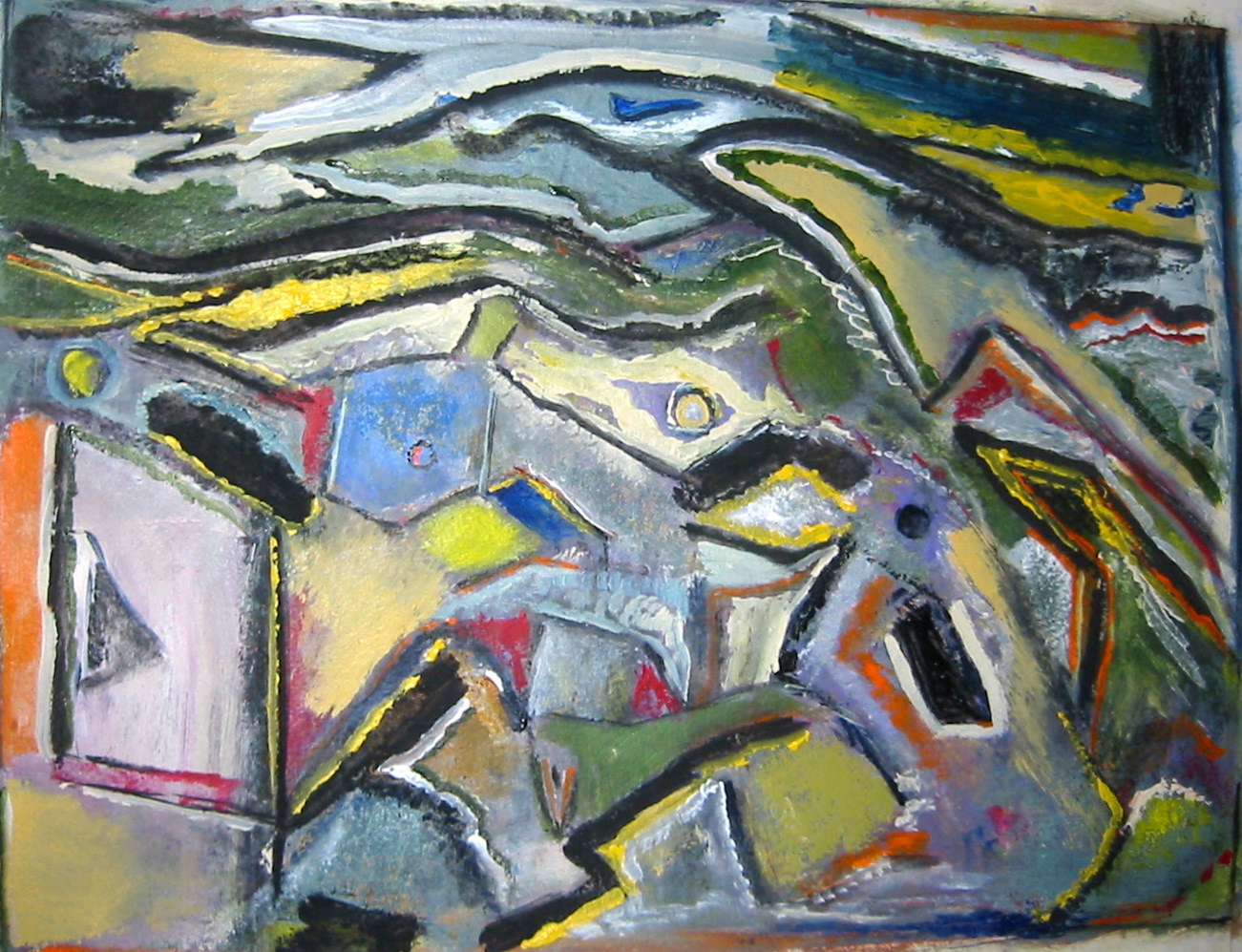
To assist in evaluating next moves here are photos of the work on the wall. Move your curser over each image to see who did what. I apologize for some of the bad photos, namely Sheila’s and Ellen’ and Cynthia’s. The real thing is much better than the photo.

Posted in Uncategorized | 1 Comment

Continuing 9/8/10

We’ve had some conversations lately about why we paint, which leads to how we paint and in turn influences what we paint.  As we approach the process of opening our studio a myriad of reactions arise. It is the perfect time to reflect on the reasons we spend the effort, time and money to pursue this endeavor.

We will be merely continuing….  What better way to reaffirm why we show up at the ArtHouse.

Below are some quotes that may enlighten or may reinforce:

“Basically, I no longer work for anything but the sensation I have while working.” Alberto Giacometti

“I believe that the great masters, with their intellect as master, have attempted to force this unwilling medium of paint and canvas into a record of their emotions. I find any digression from this aim leads me to boredom.”
Edward Hopper

“Whenever I am asked questions concerning my artistic aims I hardly know what to say. When actually painting, the heat of creation may be so intense that the artist’s execution becomes completely subconscious… my chief aim in painting is in the expression of a completely personal mood.”
Charles Burchfield

“It is the function of the artist to evoke the experience of surprised recognition: to show the viewer what he knows but does not know that he knows. Helnwein is a master of surprised recognition.”
William S. Burroughs, about Helnwein

“As ugly as the work is, no work is so ugly that it can’t be assimilated.”
Leon Golub

“Part of the impulse of modernity is the demand for change. It’s like you’re not a real artist unless you’re attempting to make a radical new statement. It’s part of the whole Zeitgeist of always seeking innovations instead of using older forms that still have good use value; and it’s certainly in the spirit of a capitalist economy, which depends for its survival on constant innovation.”
Richard Shusterman

AND here is a link to a blog where people address the subject of Why Make Art: http://whymakeart.com/

Posted in Uncategorized | Leave a comment

Attention figure drawers (which we all should be)

Watch this then….

http://fcmx.net/vec/get.swf?i=003702

….try this with your hand, or your foot, or….?

Posted in Uncategorized | Leave a comment

No Longer What We Were 9/1/2010

“Whatever the metamorphoses of painting, whatever the support and the frame, we are always faced with the same question: what is happening, there? Whether we deal with canvas, paper, or wall, we deal with a stage where something is happening …… So (sic) we must take a painting as a kind of traditional stage: the curtain rises, we look, we wait, we receive, we understand; and once the scene is finished and the painting removed, we remember: we are no longer what we were…..” Roland Barthes http://en.wikipedia.org/wiki/Roland_Barthes

I  frequently refer to the artists both great and not-so-great who have gone before us because they are some of our best teachers.  What we create is built on what they created.  Many of them have style, techniques and devices that resonate with our own and it is always helpful to see how others solve some of the same problems we face when we are staring at the “page”.

Because so many of you have oodles of works in progress and with the open studio coming up, time to work towards resolution might be the most beneficial thing we can do this week.  A little “twist”, however, is always in order to keep the pistons firing.

If  twentieth century French philosopher Barthes is correct and we are changed by looking at a work of art, we are going to spend some time “looking”.  But instead of looking to that which we naturally gravitate for guidance, I will hand everyone a monograph and your job will be to find SOMETHING, some style, some technique, some device, some element, some concept, some subject  that that artist uses to incorporate into your own work in progress.

We only hope that we can “look”  with enough intensity to “receive”, to “understand” and to “change”, if only n a very small, but inspiring way.

See you soon,  j.

Posted in Uncategorized | 3 Comments

Walking Your Own Path 08.25.2010

Food for thought: “The greater the artist, the greater the doubt. Perfect confidence is granted to the less talented as a consolation prize.” Robert Hughes-  http://www.artcyclopedia.com/robert_hughes.html 

It was interesting to see the different reactions to the exercises–some folks were very interested in “designing” a process, where others weren’t sure what to recall, or how they wanted to move forward. Either way, the work progresses beautifully.  See below

This week continues the idea of predeterminng a course of action.  That doesn’t mean you don’t follow a new direction when the urge hits. It does mean that you ponder your process and work to understand where certain techniques can can lead……

Posted in Uncategorized | Leave a comment

Designing a New Path

Think digging up and laying in, adding and subtracting layers, providing boundaries, joining areas and elements, propping up and fortifying, leading to and barring access–mix in a little alchemy and some imagination and you will have directions for a brilliant new route to a creative outcome.
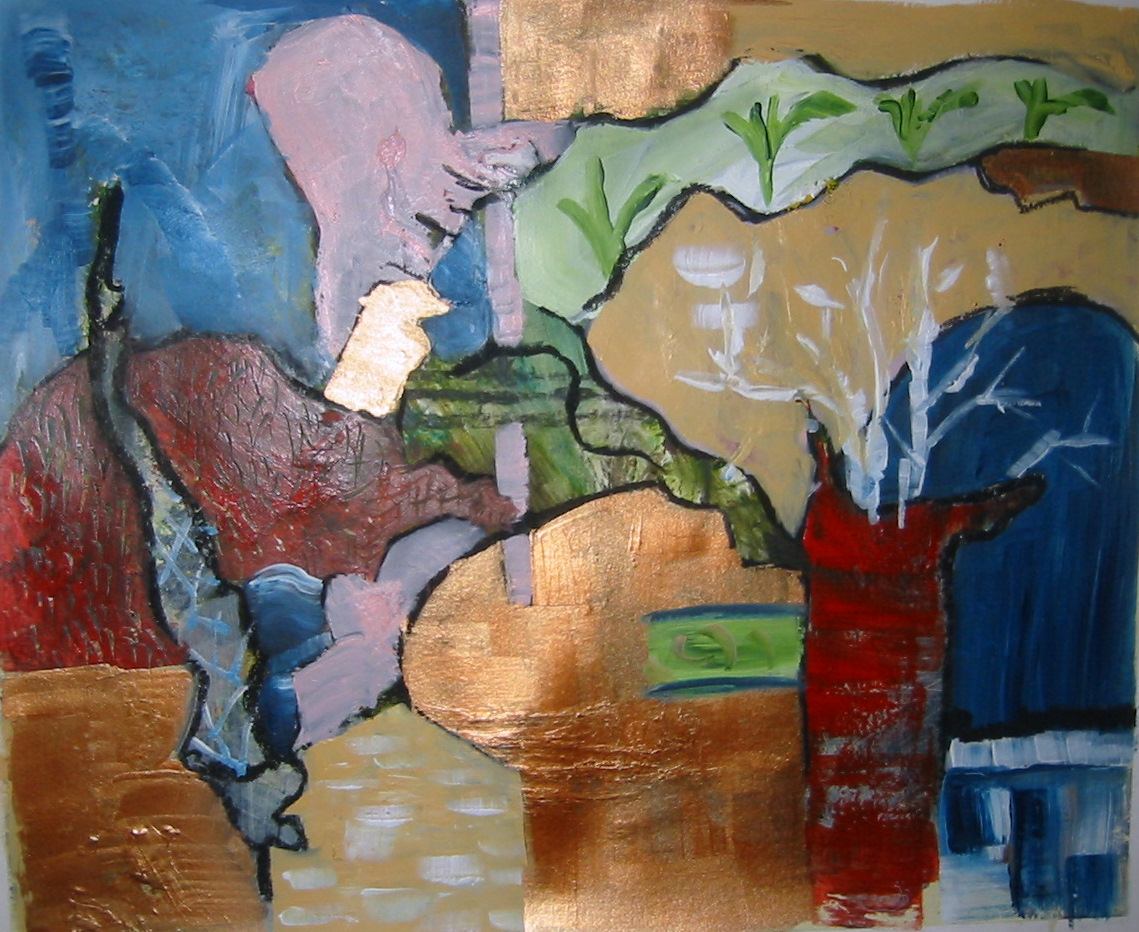
 The “Follow the Leader” exercises we’ve done have been worthy guides because they were designed to minimize the thinking and maximize the seeing when developing a painting.  Checking caution and worry while simply following instructions and trusting your visual instincts has resulted in great satisfaction and some really good work.

We’ve done it a few times now–once with each person in class providing step by step instruction for a partner.  Then I’ve created a couple of different lists of directives that several of you have followed repeatedly.

It is time for you to design a course to follow for yourself. 

This week we will discuss the hows and whys of what works and what doesn’t, the intentions of each move, and see what passageways we can create. I will offer a few “mandatory” guidelines just to get started.
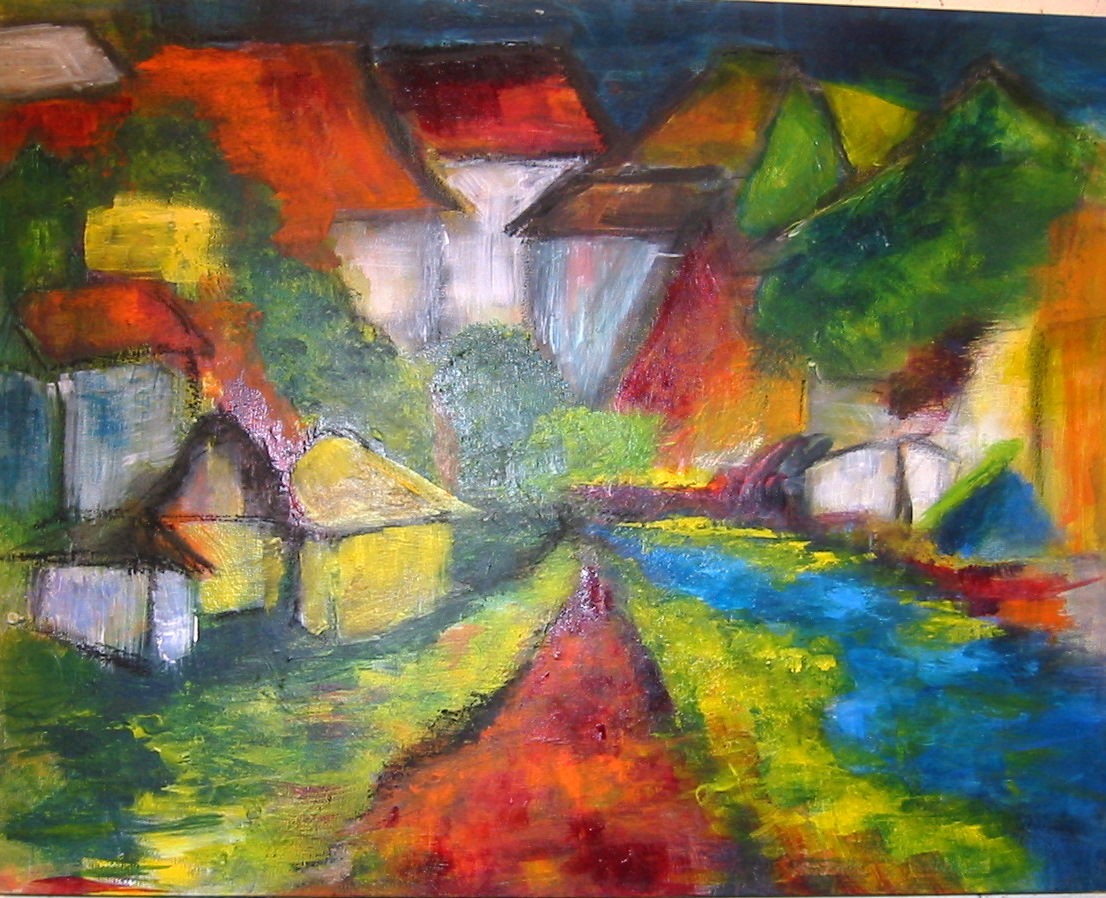
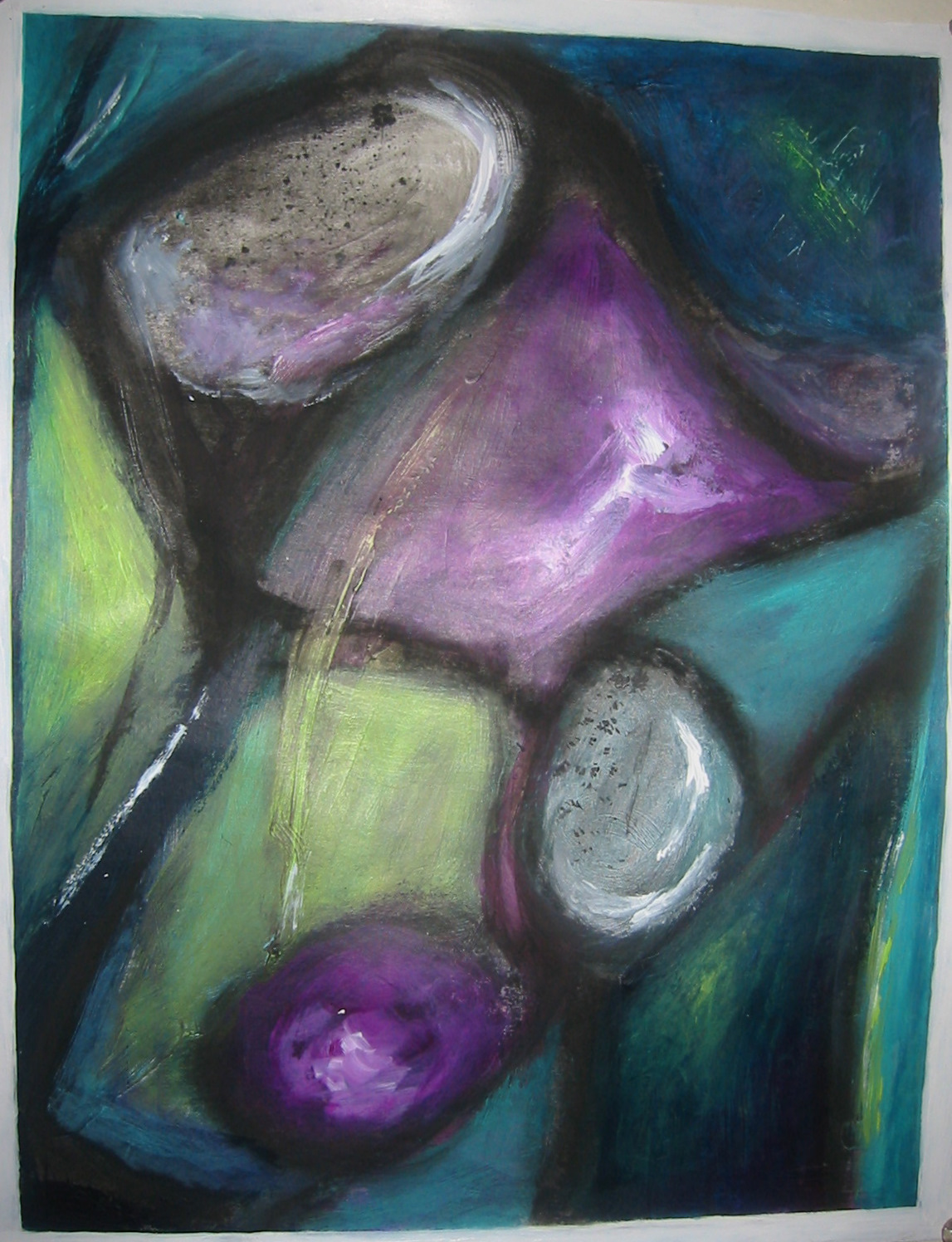
Be thinking….then see if you can stop thinking and follow yourself down a rabbit hole of your own making and come back out the other side. Be courageous and free and don’t be afraid to make a mess.  Trust you can use a “mess” to further your understanding of the process. 

Some things—:

* Jot down ideas and things you like to do as they pop in your head. 

* Look at art and design then make a note of what captivates you.  We will see what we can do to incorporate it into your instructions. 

* If there is a specific skill you’d like to learn or practice, make it one of your commands.

* If you admire another’s work or technique see if they will share it then make that a part.

* Be sure to include elements that abandon control.

*Address how to choose subject.

* Be aware of size, format and substrate.

You will want at least 10 to 12 instructions or your piece will be too thin to get much out of it and not enough to wade through.

A comment from Gary regarding a realization from “following” the process:   “So what I realized is my pattern….when lost…try bright colors and scrubbing…which kept me lost. After that failed I finally tuned in and realized it was a lack of bones that was the problem.

So even fighting with a piece is a way to learn about how to fight! 

Ahhh, that’s the ticket!

This will take a couple of weeks as the many different elements of painting will be explored by different people in different ways. You don’t want to be too planned or too cautious but at the same time you want to lead yourself “somewhere”.

This is going to be fascinating, fun and hopefully a little messy.

Posted in Uncategorized | 2 Comments