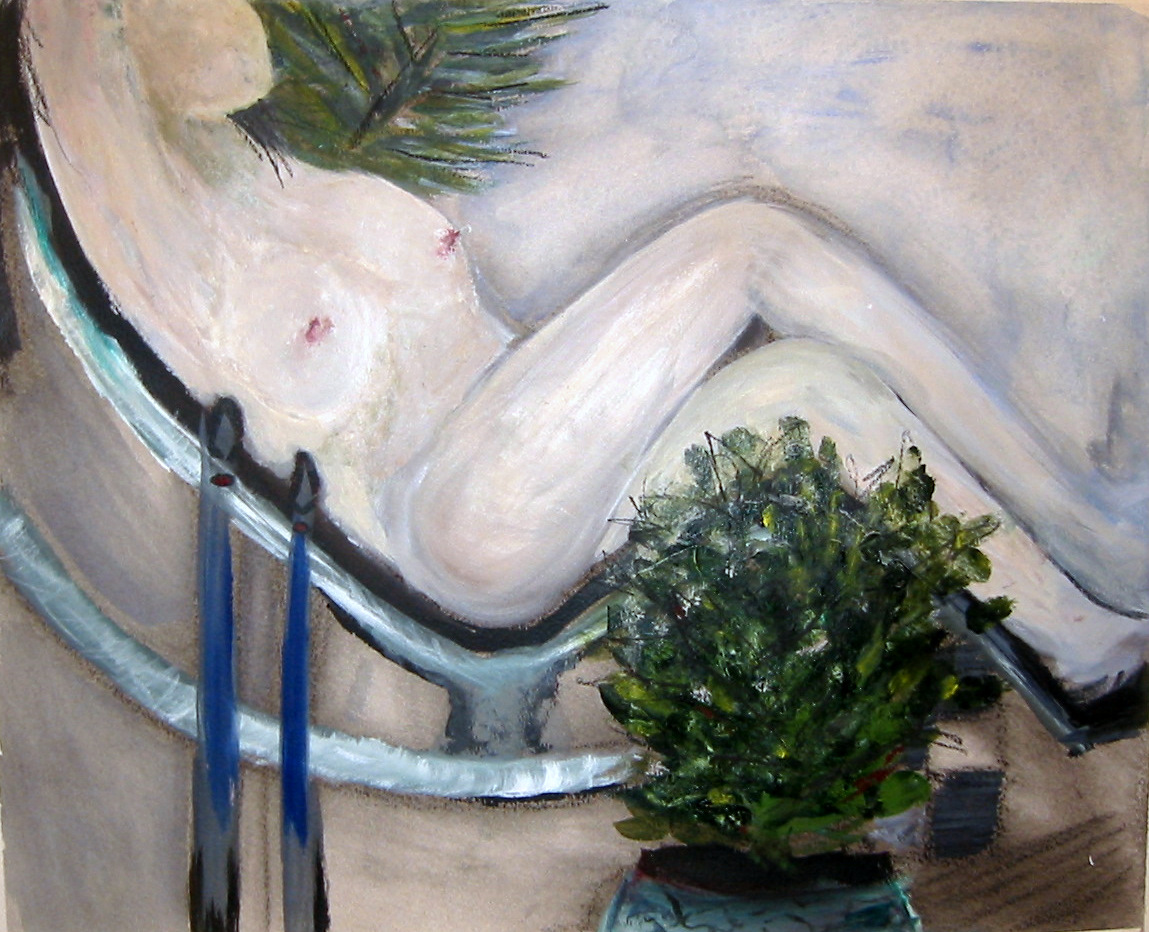
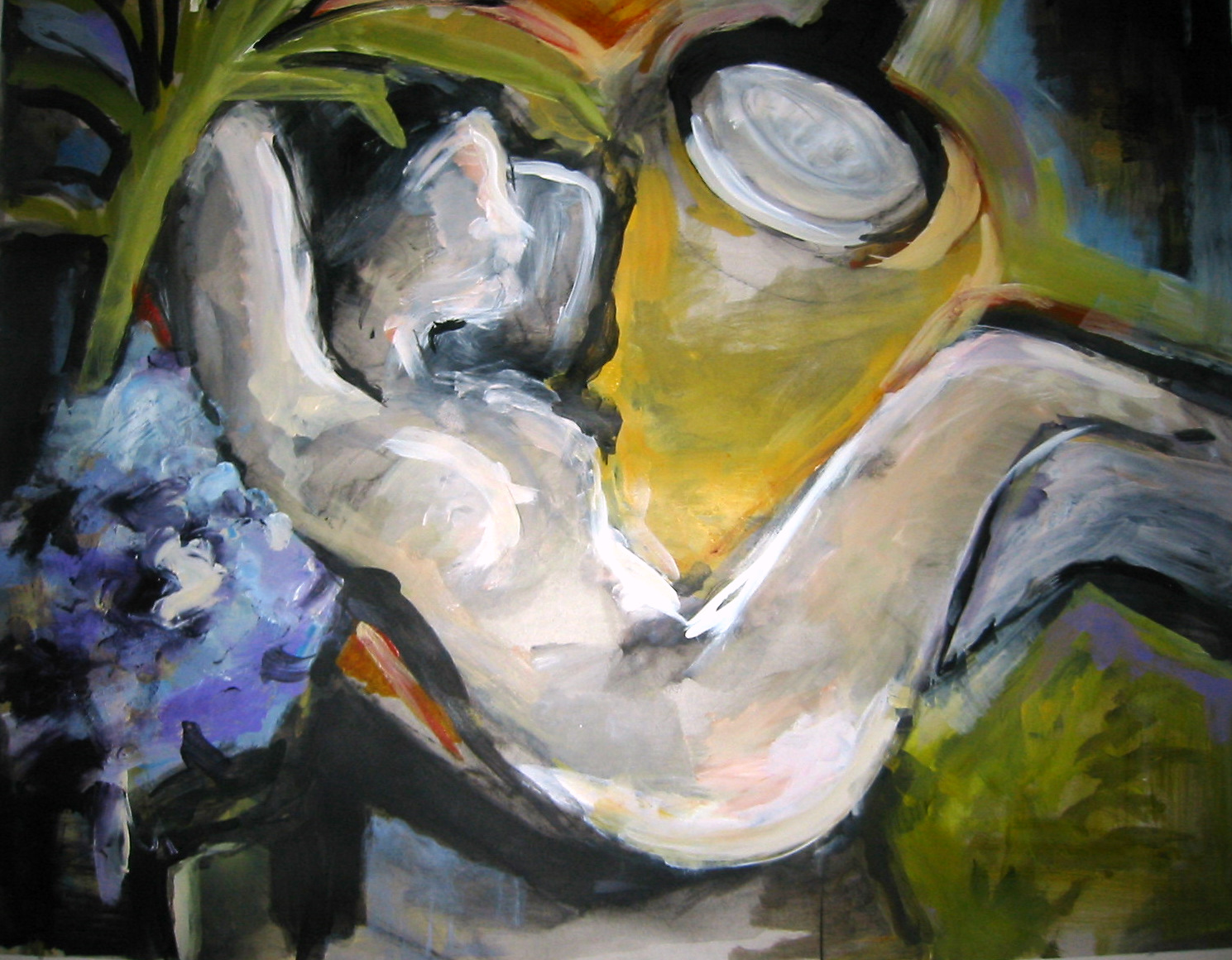
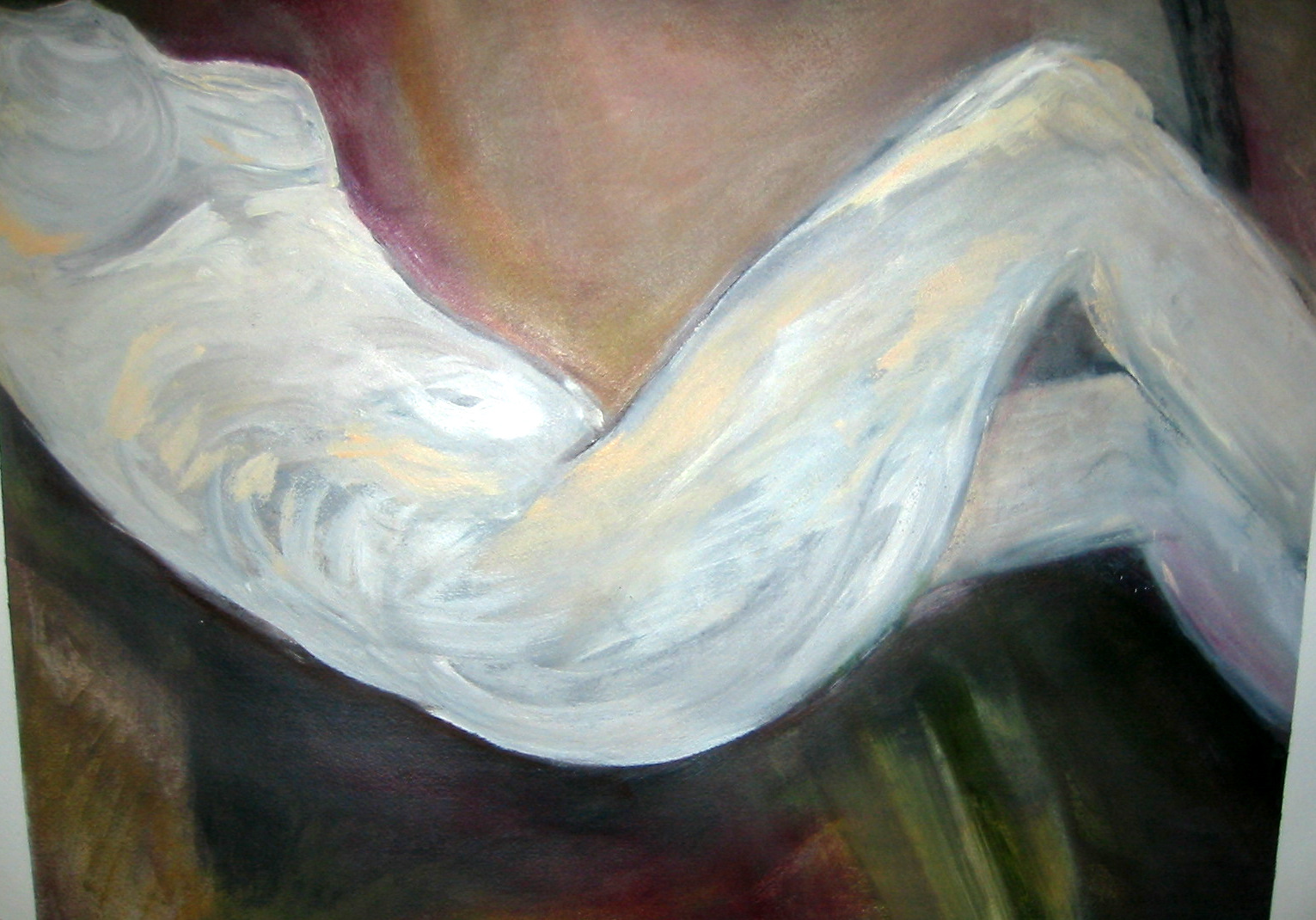
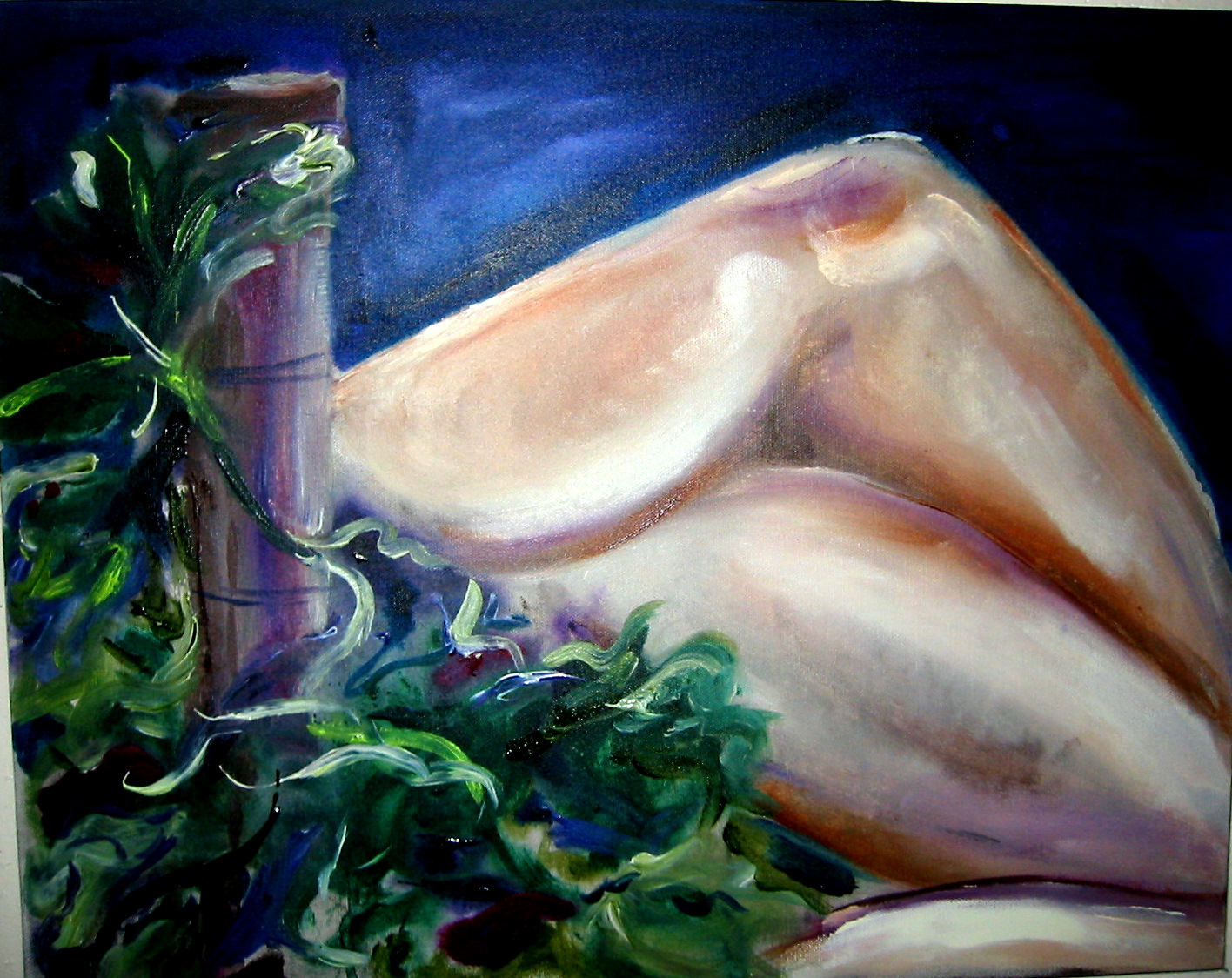
Misty Water-Colored Memories

Thanks for the memory
Of things I can’t forget
Journeys on a jet
Our wond’rous week in martinique
And vegas and roulette

Memorial Day—impetus for our work this week—why not? (I know this day is to honor vets, consider it done, but I’m piggy-backing on the concept. Accept my apologies if this offends anyone.) 

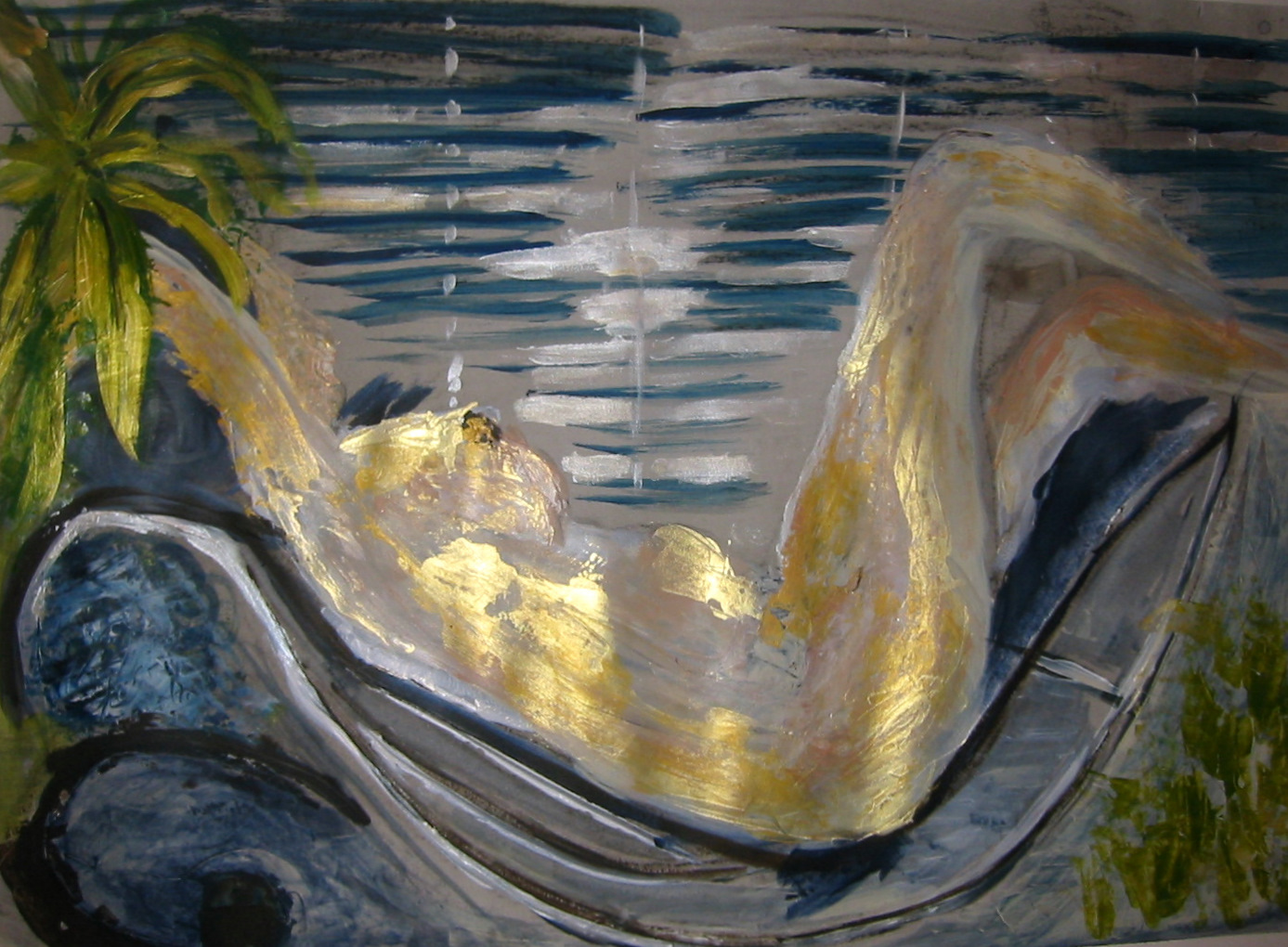
The power of memories in all their romantic recall can be great inspiration.  The challenge this week will be to create a memorial to something or someone lost. 

When my mother died I processed through paint.  Of course the painting is abstract and no one knows the content but me.  But I remember her and honor the intense emotion felt by her loss every time I look at it.  The grief is good in its way of reminding me what it means to be alive. 

As the lyrics to Thanks for the Memory attests, memories/memorials are not necessarily sad or poignant. They also bring smiles.

Just a thought. Perhaps an idea-starter.  But if It’s not ringing any bells, not to worry.

Actually, it seemed time for some play. An end-of-school craft project perhaps.   Texture and metallics, interference colors, leaf, etc.—greeting card materials, etc. to explore. I will break out all that I have, but bring what you have as well.  And consider a dark substrate. Underpaintings are perfect for reflection. Have something to adhere collage in case that crops up.

“Memory is a way of holding onto the things you love, the things you are, the things you never want to lose.”  ~From the television show The Wonder Years

Consider what might be worth holding onto while experimenting with “reflection”.

Posted in Uncategorized | Leave a comment

We are All Teachers

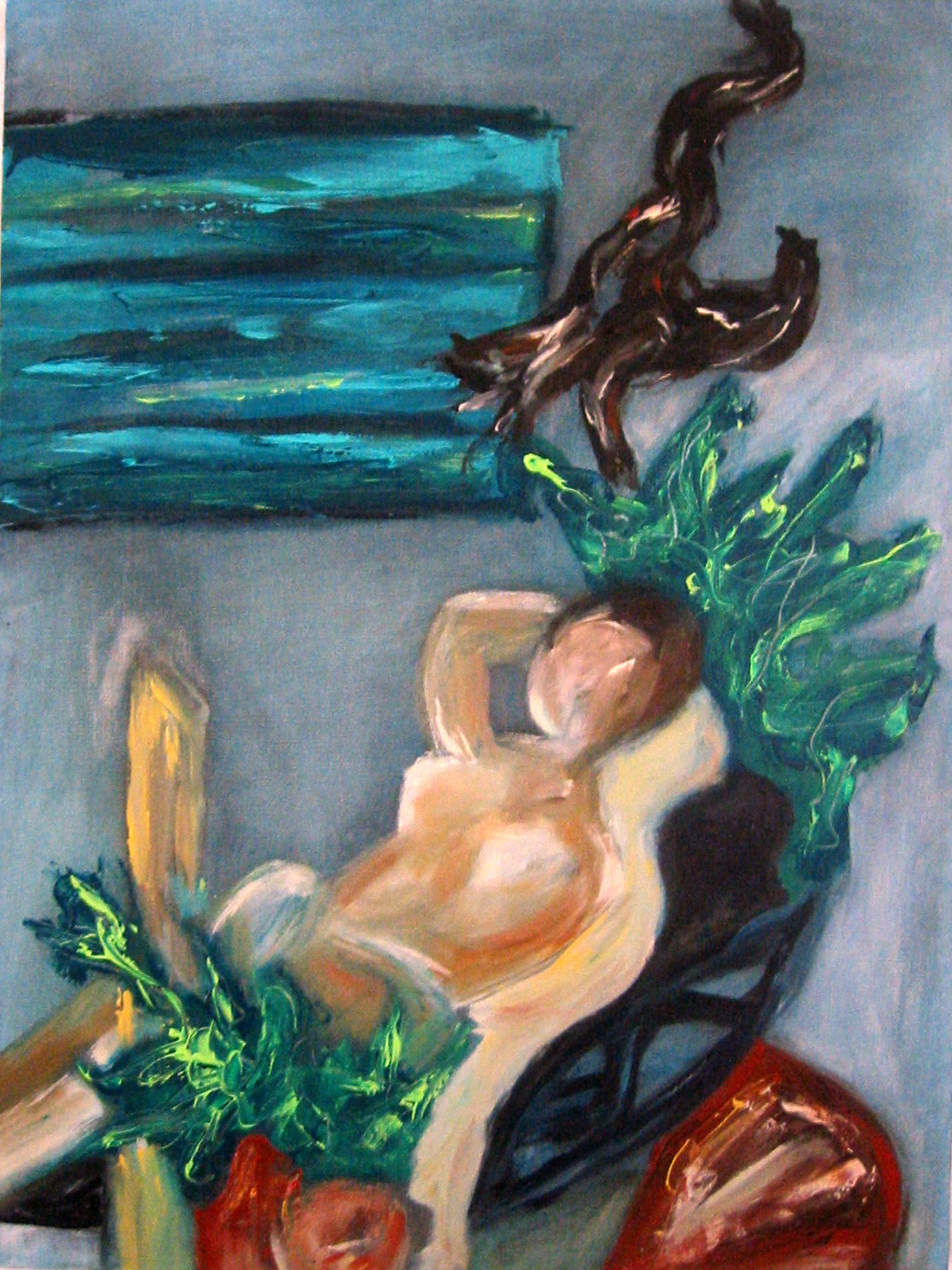
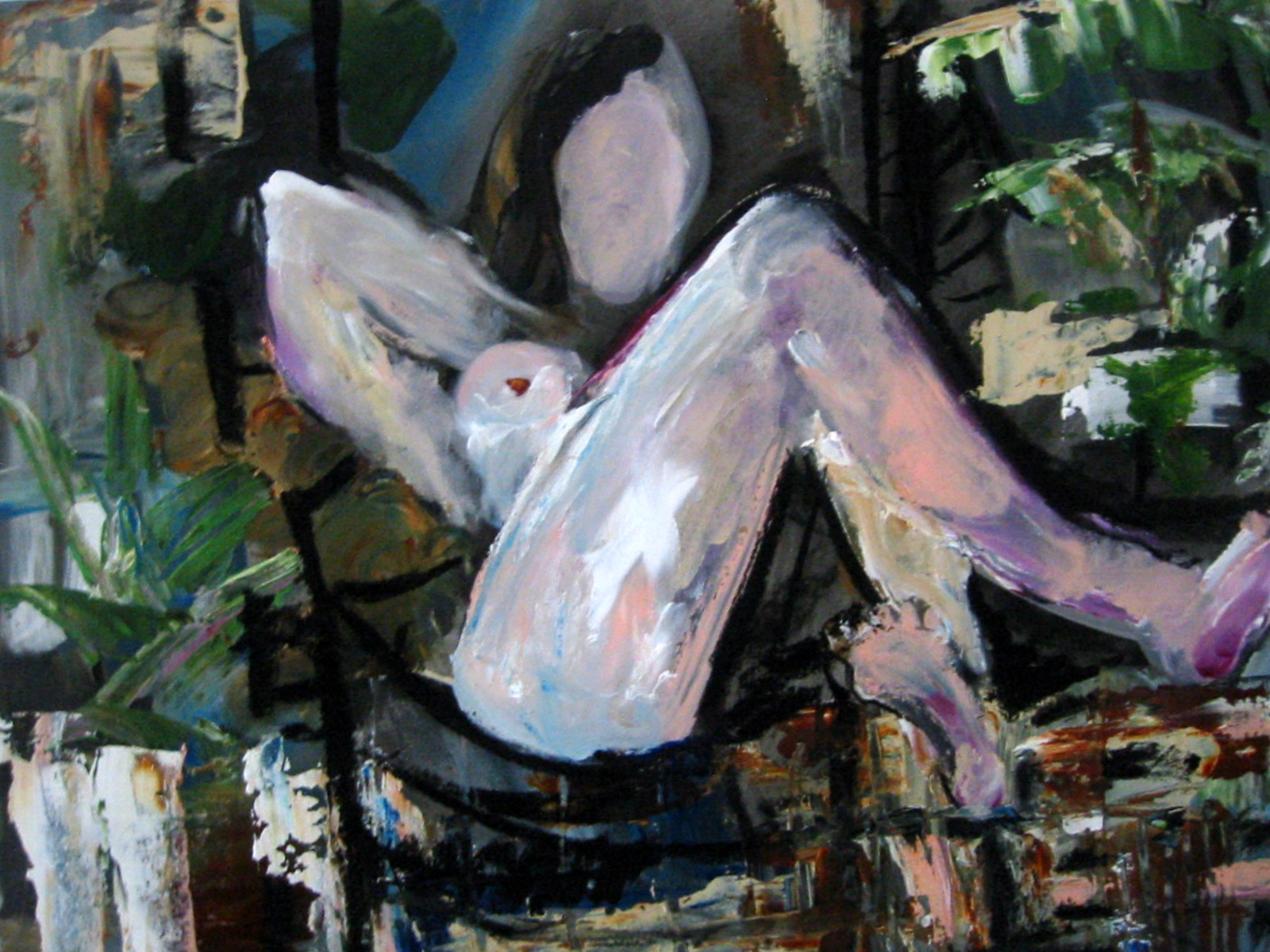
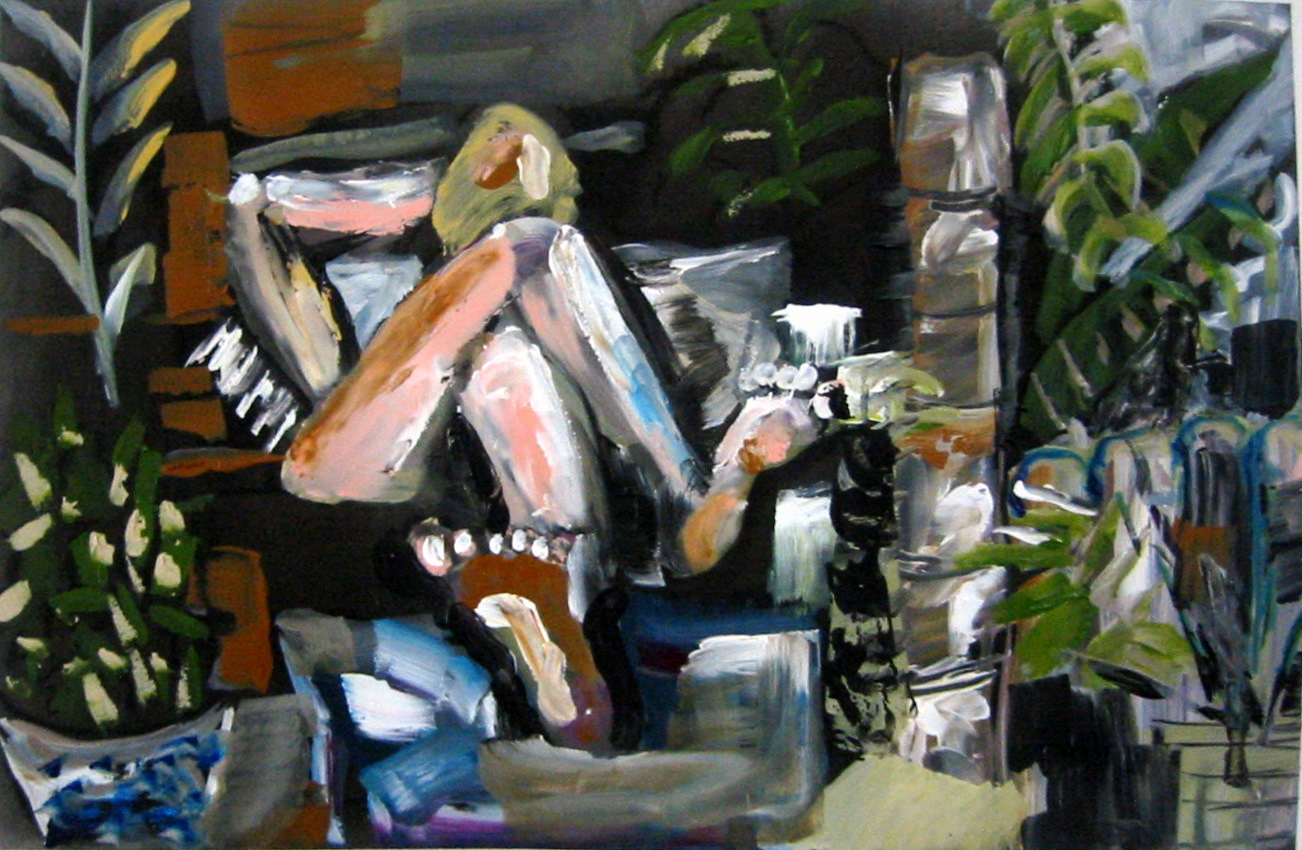
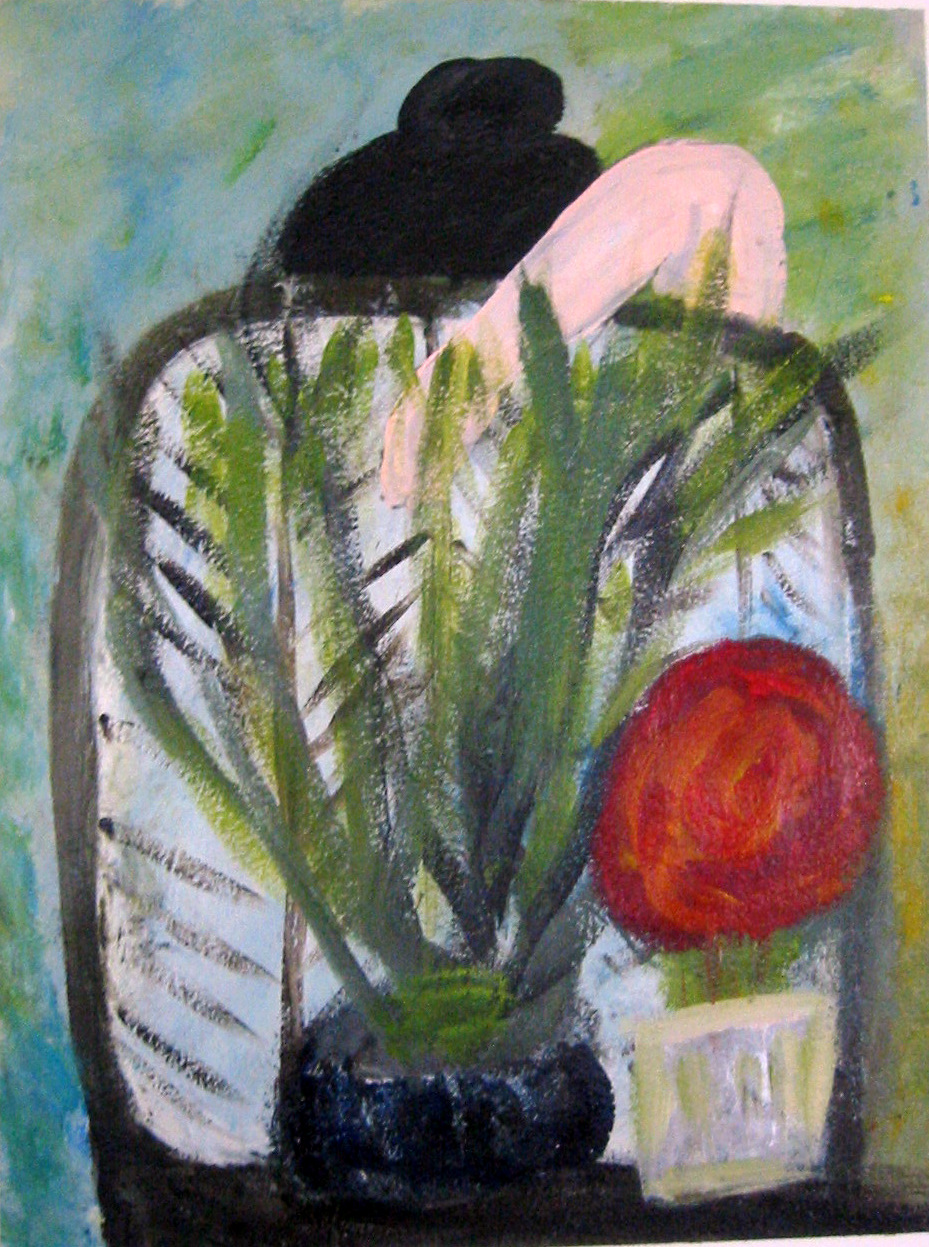
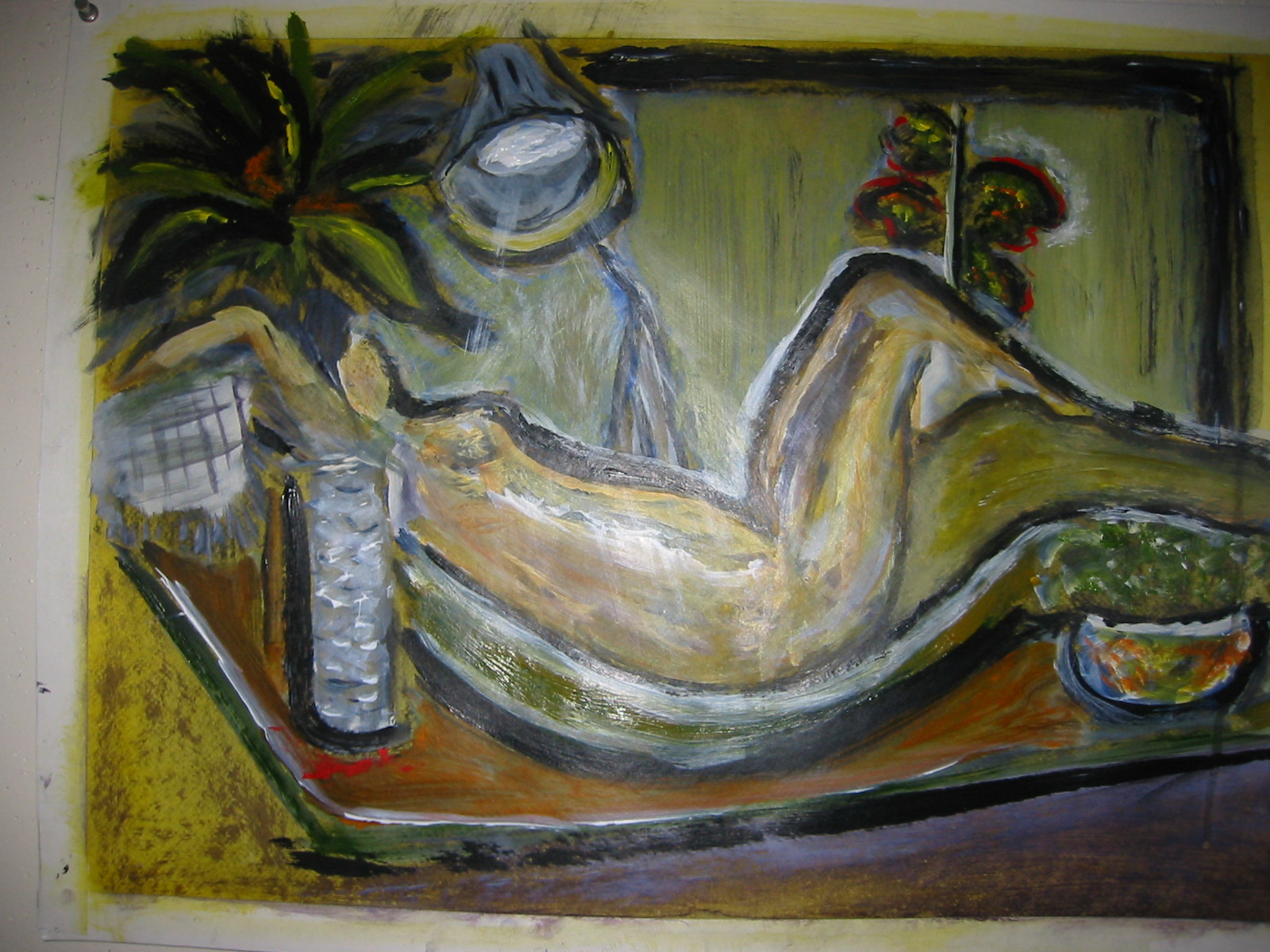
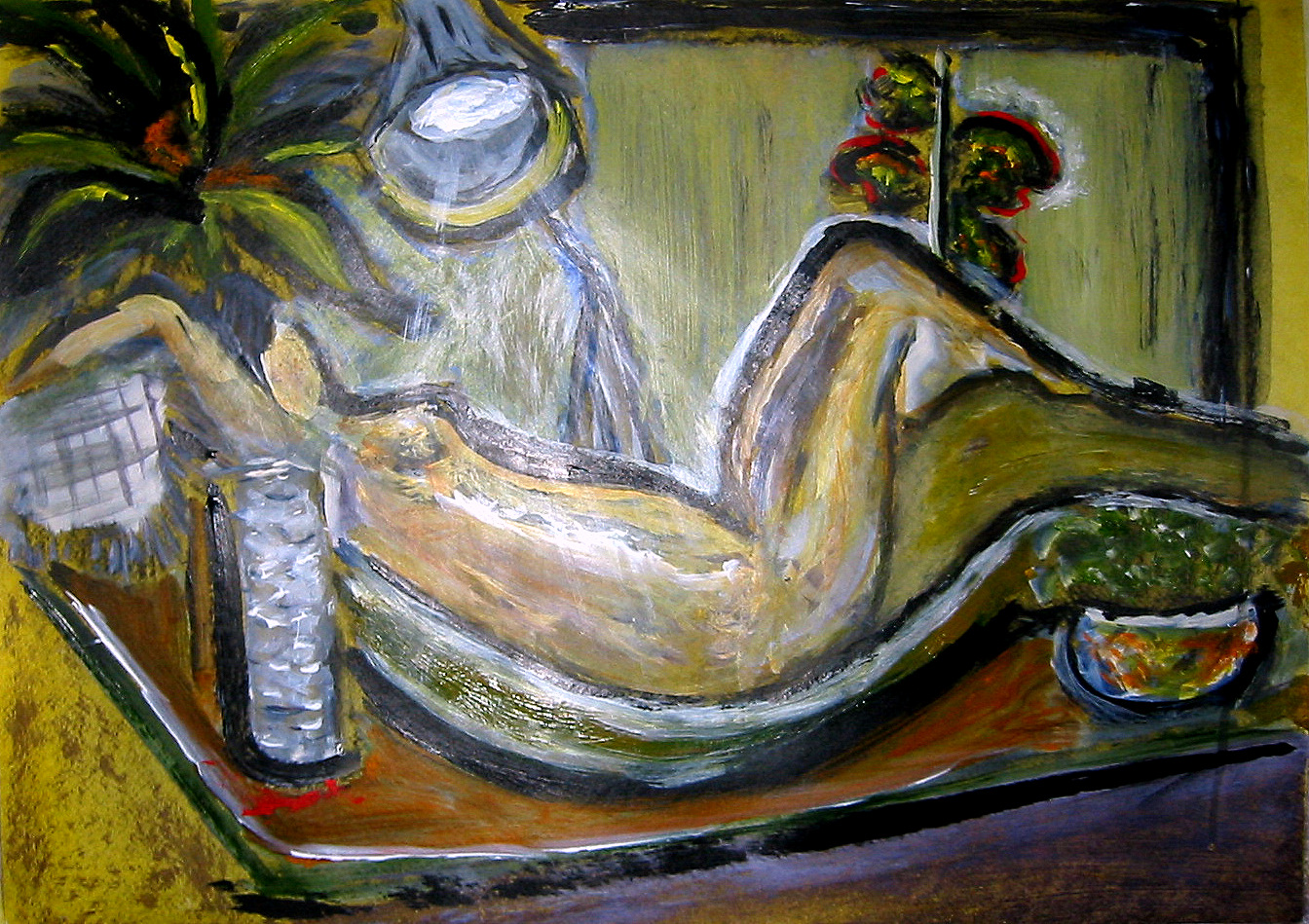
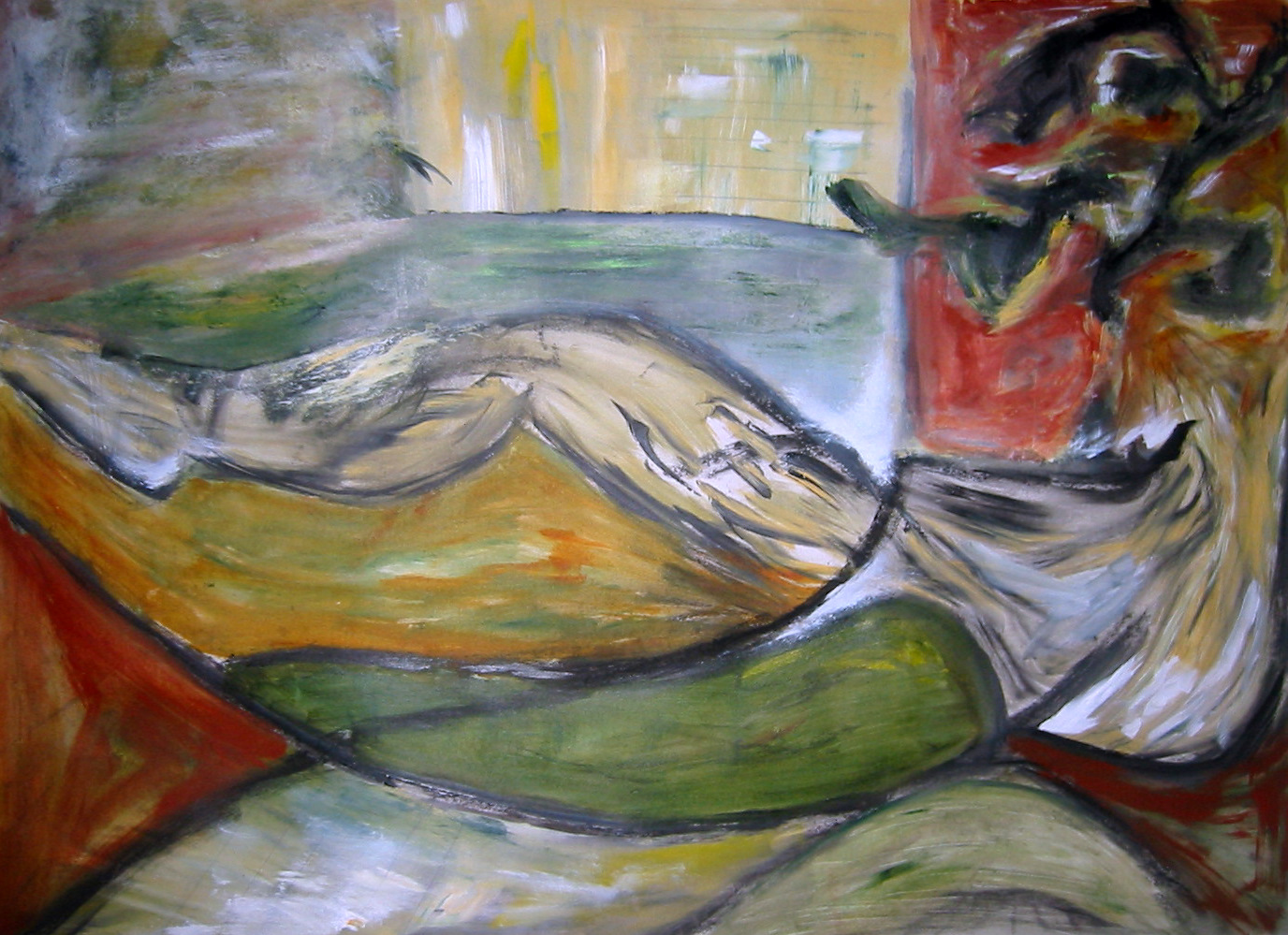
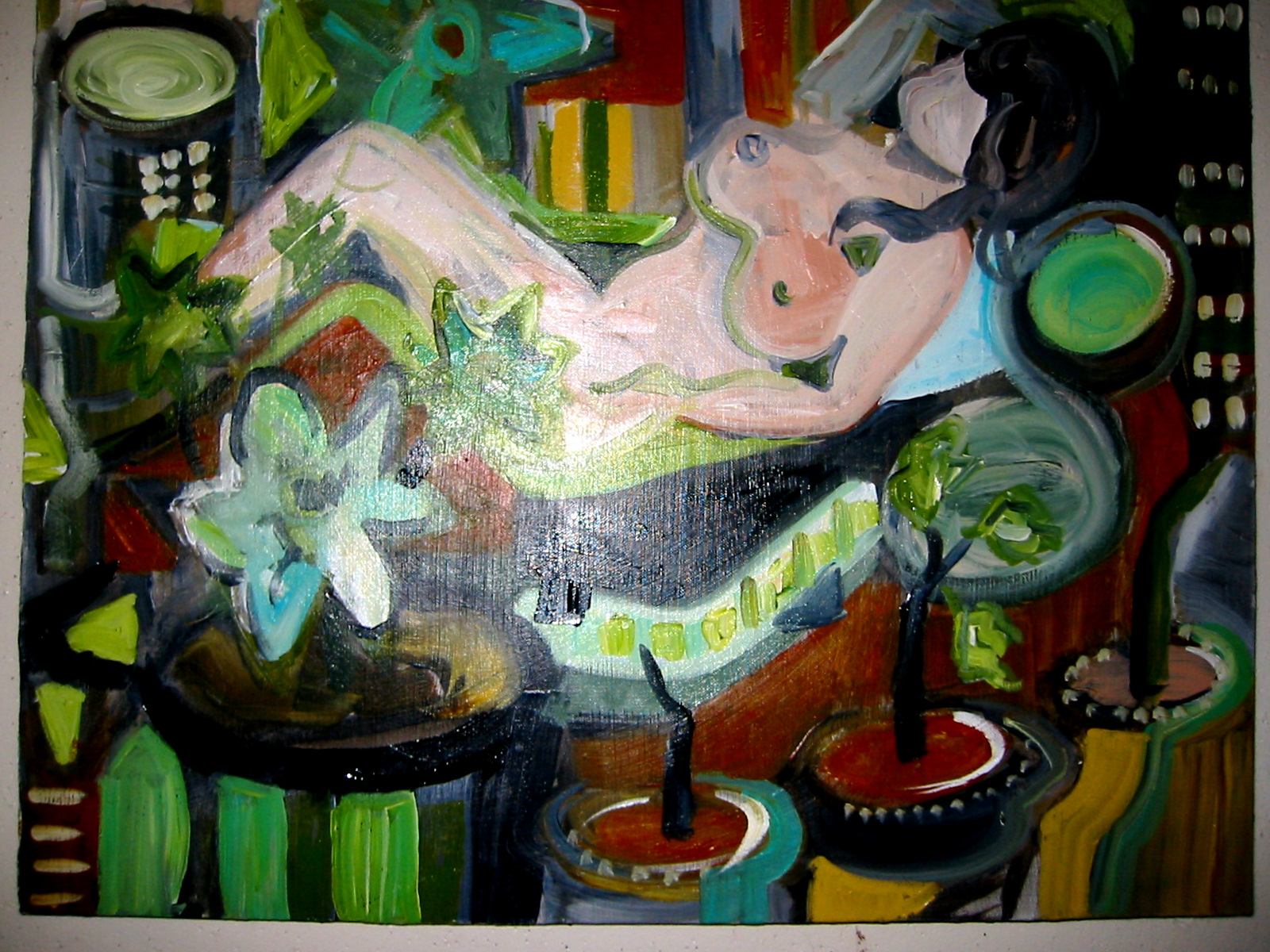
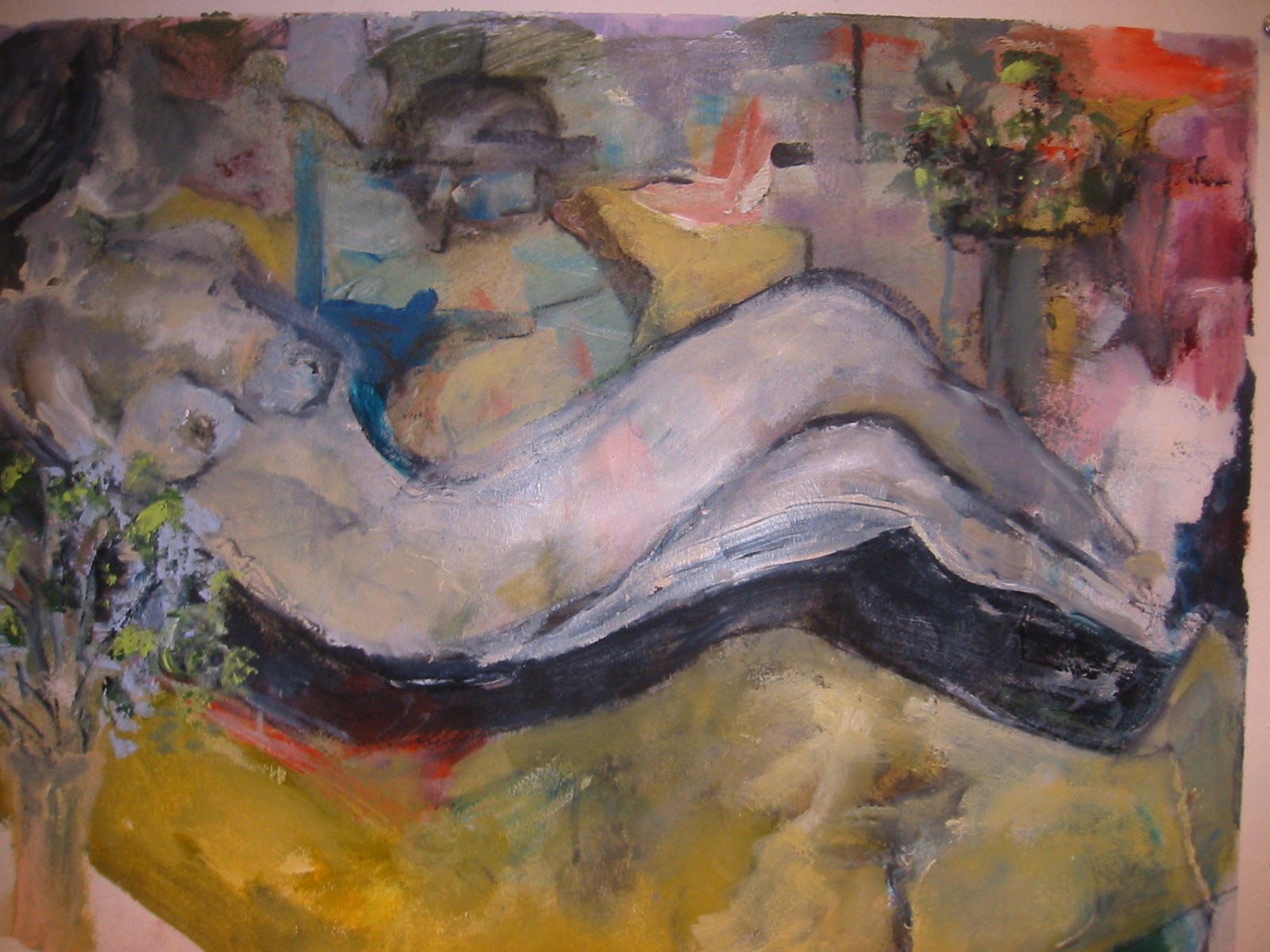
If there is any doubt that we can learn from each other just take a look at the fantastic paintngs in progress after only a couple hours of working with our still life with model.  The search for individual vision can be seen in the differnet approaches.  See if you can guess who did which painting.  Observe: styles; brush work; inclusion or exclusion of objects, shapes, lines; etc. What viewpoint was chosen or how did each artist make the most of the view they were stuck with? Notice the way people create form and space differently. What factor does color play?  What do people do differently from what you do?  (Maybe they’ll share their techniques. Don’t hesitate to ask.)

This week we will continue with these painting or feel free to attack a new version of the same subject.  (Think pairs perhaps.) The still life will be in place for the whole class and Mary will pose for about 20 minutes at the beginning.  If you no longer need the sbject to work on your piece consider a couple of quick sketches to inform later work or just practice drawing.  Notice how Ann painted toes then look at Mary’s toes and see what she saw, etc. Perhaps concentrate on one particularly beautiful part of the figure or tackle problem areas like hands and feet.  And remember “exactitude is not truth”.

Click on image to enlarge.

Posted in Uncategorized | Leave a comment

Something Imagined

We’ve been playing and working in teams, equilibrium being tested while trying to gain balance on the page, developing reactions, concentrating on composition, reinforcing that which we know. Time to dig deeper. To find that place of centered focus, slow- calm- measured, but “heightened” from life. Your subject will be real and dense with much to inspire—a model and still life awash in light in which to lose and find yourself with paint. Your job will be to connect, to feel, to imagine from life, to “tremble” while attempting to “caress the light”.

A poem–

Epilogue


by Robert Lowell
 
Those blessed structures, plot and rhyme–

why are they no help to me now

I want to make

something imagined, not recalled?

I hear the noise of my own voice:

The painter’s vision is not a lens,

it trembles to caress the light.

But sometimes everything I write

with the threadbare art of my eye

seems a snapshot,

lurid, rapid, garish, grouped,

heightened from life,

yet paralyzed by fact.

All’s misalliance.

Yet why not say what happened?

Pray for the grace of accuracy

Vermeer gave to the sun’s illumination

stealing like the tide across a map

to his girl solid with yearning.

We are poor passing facts,

warned by that to give

each figure in the photograph

his living name.

 
Posted in Uncategorized | Leave a comment

Creative Action/Reaction

Our class is about fostering creativity and expression through pushing paint.  We seek to build an environment that is challenging, engaging and emotionally safe in which each individual can dig deep, push boundaries and even step off the edge in their own creative process. In trying to circumvent the road blocks that we, our culture and our busy lives throw in front of us, different approaches are designed to facilitate flow and ignite ideas and images– always knowing that the unexpected inspires.

Back by popular demand is an exercise we did a year or so ago.  We will work in teams of two so hopefully we have even numbers. The exercise is simple -one person instructs the other as to what to do next.  Last time this was a surprise, but everyone rose to the occasion beautifully.  This time you have advance warning so you might want to prepare a list of directions that might come from how you work, what you have learned, or something you want to see somebody else do (no acrobatics, please). It can be as simple as “applying a wash” to as ethereal as “look out the window at a tree branch, imagine yourself a beetle sliding down the branch on its smooth back and with your non-dominant hand and your eyes closed, make that mark”—use your imagination.  If you need help ask Janet—her ideas were amazing!  Consider describing a technique you have just learned or you utilize frequently or providing a medium that is fun to explore.

In reading about the creative process I ran across this blog about creativity in the corporate world “Creative Reaction”.  It reminded me how we work together.
One company that successfully combines creativity and critical thinking is Pixar Animation Studios, in its extremely iterative process, where each animator’s work is screened in front of the entire department and all are encouraged to comment. (Now, you must first understand that a core value at Pixar is creating an atmosphere of trust, and people at all levels help one another.) According to Pixar President Ed Catmull these screenings offer many benefits:

  1. Once people get over the awkwardness of showing their unfinished work, they become more creative. (Those of you who feel apologetic for unfinished work on the wall-remember this.)
  2. Creatives learn from and inspire one another to do their best.

This week we have another chance to do just that!

Posted in Uncategorized | Leave a comment

Sidenote


Going  over what each person said and did in the last two weeks of class I was struck by how much you taught each other. Your interaction was exciting and often surprising.

You all have so much to say. And what became apparent is that even as folks were eager to learn and absorb from their partners, a stalwart sense-of-self stood firm. The individual was never lost in the group. 

Much growth has taken place in the work since our last exhibition. As you recall  what you were preparing for the show six months ago I think you will be surprised at the difference now. Notice that.

Posted in Uncategorized | Leave a comment

“I Want To Live Forever….”

Well, not really.  But running by the resurrected TV series “Fame”, now on Ovation, someone named Jesse says he was up all night searching for ideas for the song-writing competition that is sure to lead to fame and fortune. “If I only knew what people wanted to hear”, he laments.  A friend suggests that maybe he is looking in the wrong place.  Playing to the whims of the current culture is not the way to create something lasting. His friend says that perhaps his connection to his native Mexico and the words of his grandfather would be a better source of inspiration– “You have a lot to say Jesse.”

I have no idea how it all turns out as I turned the channel.  But whenever I hear this kind of remark it reminds me of what I mention ad nauseam. That checking thoughts and taking notice of anything that has moved us of late will perhaps lead to a flash of how those things take shape as a visual message.  And a flash is likely all you get—elusive and fleeting. Don’t strain for more, just gather awareness.

I believe we all have a lot to say.  Maybe nothing earth-shattering or new but if it’s born of authenticity, it resonates. Fame, fortune and eternal life aside—resonance—the very word makes the attempts and failures worth the effort in trying to attain it.

This week the Wednesday group will have the opportunity to resurrect works in progress. Saturday class—we meet again on the 7th as next week is the 5th Saturday of the month.

Speaking of resurrection–the classroom will be back this week!  HOORAY!!!!

Posted in Uncategorized | Leave a comment

“Keep the Channel Open” martha graham

This is dangerous territory because I know only enough to get me into trouble and show my overall ignorance. But I’m goin’ there anyway to further explore this idea of “visual language”.

If sensitive to it we create with our own innate visual vocabulary. Art that resonates stems from this unique expression. Awareness and respect of our sensibilities reveals what that might be for each of us. But much like trying to get all the little balls to fall into the holes in those crackerjack games, trying too hard can be frustrating and the resulting artwork is liable to become forced and contrived. That’s why some understanding of composition in varying ways cans facilitate the painting process.

Stay with me—it may get overly complicated as I try to share this idea in a simplified format, but I think there is method here.

The theory of the German concept of Gestalt in visual perception is concerned with the principles of organization. (The word roughly translates to “whole”) The theory states that, as humans, we have interpreting mechanisms in order to understand our visual world.  The structure of the whole communicates apart from of the actual imagery.  We “read” an image of mother and child as the grouping of two circles of different sizes, close together, a triangle base, surrounded by additional rectangles and lines, etc. It is the relationship between the parts of a composition that determines how well it hangs together for the viewer. 

The “laws” of Gestalt are: closure, continuance, similarity, proximity, alignment. (Google if you are interested in more info.  An edu site by a guy named Jim Saw is particularly helpful: http://daphne.palomar.edu/design/gestalt.html  )

Wassily Kandinsky in his book “Finding the Spiritual in Art” then theorized that line, shape, proportion and color convey meaning without the use of words or pictorial representation.

With our composition exercises last week we were practicing finding our voice in the context of the whole conversation with another.  The lines, shapes, forms and colors we used convey meaning and their organization helps the viewer understand what we’re trying to say.

Like I said, it can be overly complex so just re-read and let the ideas roll over you. Stay open even if it seems confusing, it will seep in if you need it. 

Just pay attention to your repeated choices as you respond to what has gone before. Notice what you notice. Respect those choices as you experiment with the most effective way to organize the visual elements. As Martha Graham said there is only one of you for all time. So your most important job is to be open and aware to the urge that motivates you—“keep the channel open”.

 We had so much fun last week, we are going to repeat the process with new partners and new themes.  Feel free to bring your own theme to start your piece.

Posted in Uncategorized | Leave a comment

Chess anyone?

Although we’ve done it before, this week our exercise is inspired by two research studies that struck a chord. The first one is:  “Why Preschool Shouldn’t Be Like School”, by Alison Gopnik, which answers the question: Does direct teaching make children less creative? (Direct teaching is defined as a demonstration by the teacher that students follow.  Spontaneous learning is where the student is left to discover “what happens if?”—one of my favorite concepts.)

“… spontaneous learning is more fundamental….it’s more important than ever to give children’s remarkable, spontaneous learning abilities free rein. That means a rich, stable, and safe world, (sic), and lots of opportunities for exploration and play…..”

(Complete article click: http://www.slate.com/id/2288402 )

The second inspiration came from a clip sent to me by Nancy—A very humorous TED talk about Bonobos play in the wild.  To watch, click:

http://www.ted.com/talks/isabel_behncke_evolution_s_gift_of_play_from_bonobo_apes_to_humans.html?utm_source=newsletter_weekly_2011-03-22&utm_campaign=newsletter_weekly&utm_medium=email

In the individual studios in the ArtHouse we will give our “spontaneous learning abilities free rein” with opportunities for exploration and play. We will play a game of “chess”. (Not have free-rein sex as with Bonobos—no titillation other than creative energies, please.) We will work in teams of 2. Partners make moves on the page in response to what their partners do ahead of them.

This is another investigation of composition.  It exercises visual response and collaboration.  Bring clean paper (not too small—at least 16’”x20”) and all your stuff. We will meet in the “library” at The Big Yellow (Art)House.


Posted in Uncategorized | Leave a comment

The Wisdom of a 12-year-old

In preparation for “the big race” in the movie National Velvet, Mickey Rooney coaches Elizabeth Taylor by trying to tell her “the order of the jumps and the tricks of race”.  Elizabeth Taylor asks him not to say anymore—everybody will know more than she does. “He says a race like this is not won by luck.” She says, with stars in her eyes, that it will be won by knowing that her horse can win and by telling him so everyday.

You might be asking “how does this relate to painting, you crazy fool?” For me, almost anything relates to painting.  I find the process so illuminating that the metaphors fly. In this case the conversation represents the struggle of the artist’s process.  Belief, desire and connection opposed to understanding the tricks of the race.

We want to create paintings that reflect and resonate. Which means they need to be “about something”?  But there is also the mystic of the aesthetic and its commonly taught rules. It can be boiled down content and composition.

What makes a good composition?  What makes a painting resonate?  Is one dependent on the other?  The one thing you can be sure of in art is that for all of the rules purported to be essential in creating a “successful” painting, there are many examples of why that is not true.

So what do we do?  In the simplest terms, which of course belies the complexity, we find ways to connect while we practice the formal elements.

This week will be emphasis upon the formal with a composition exercise.

From Wikipedia:

The elements of design are:

  • Line – the visual path that enables the eye to move within the piece
  • Shape – areas defined by edges within the piece, whether geometric or organic
  • Color – hues with their various values and intensities
  • Texture – surface qualities which translate into tactile illusions
  • Form – 3-D shapes.
  • Value – Shading used to emphasize form
  • Space – the space taken up by (positive) or in between (negative) objects

Substrate can be fresh or an underpainting. Color may be used, but consider keeping neutral, using color as an accent. In the spirit of adolescence the exercise will be a bit of a game, a bit of a puzzle. Come ready for a challenge.  Come ready for fun!

Posted in Uncategorized | Leave a comment

Choosing Wisely

Painting is about so many things for me not the least of which is the sheer delight in seeing the colors bump up against each other as they dance across the page; to see a light and a dark mix to a velvety mid-tone, right before my eyes, that creates a glow that seems infinite; to see what surprise awaits as the back of the brush carves through a juicy passage of paint. And on, and on. It is transportive. Like in mediation, another world opens and I pass through. Bodily rhythms change.  I am a part of something, not in control of it. The mind clears.  The breathing deepens.  Time flies.

Then there comes a time for problem solving that teaches additional lessons—if I put a dark heavy load here, a balance is needed there. If I am patient with this, that will take care of itself.  If, if, if– the possibilities, the choices are endless and each one offers a small “ah-ha”.  I can think of little else to do with my time that is as rich or as self-reflective.

In the end if I have created something that speaks to a viewer we become connected.  My world expands and overlaps with another. I have said something someone wants to hear. The process becomes even more satisfying.

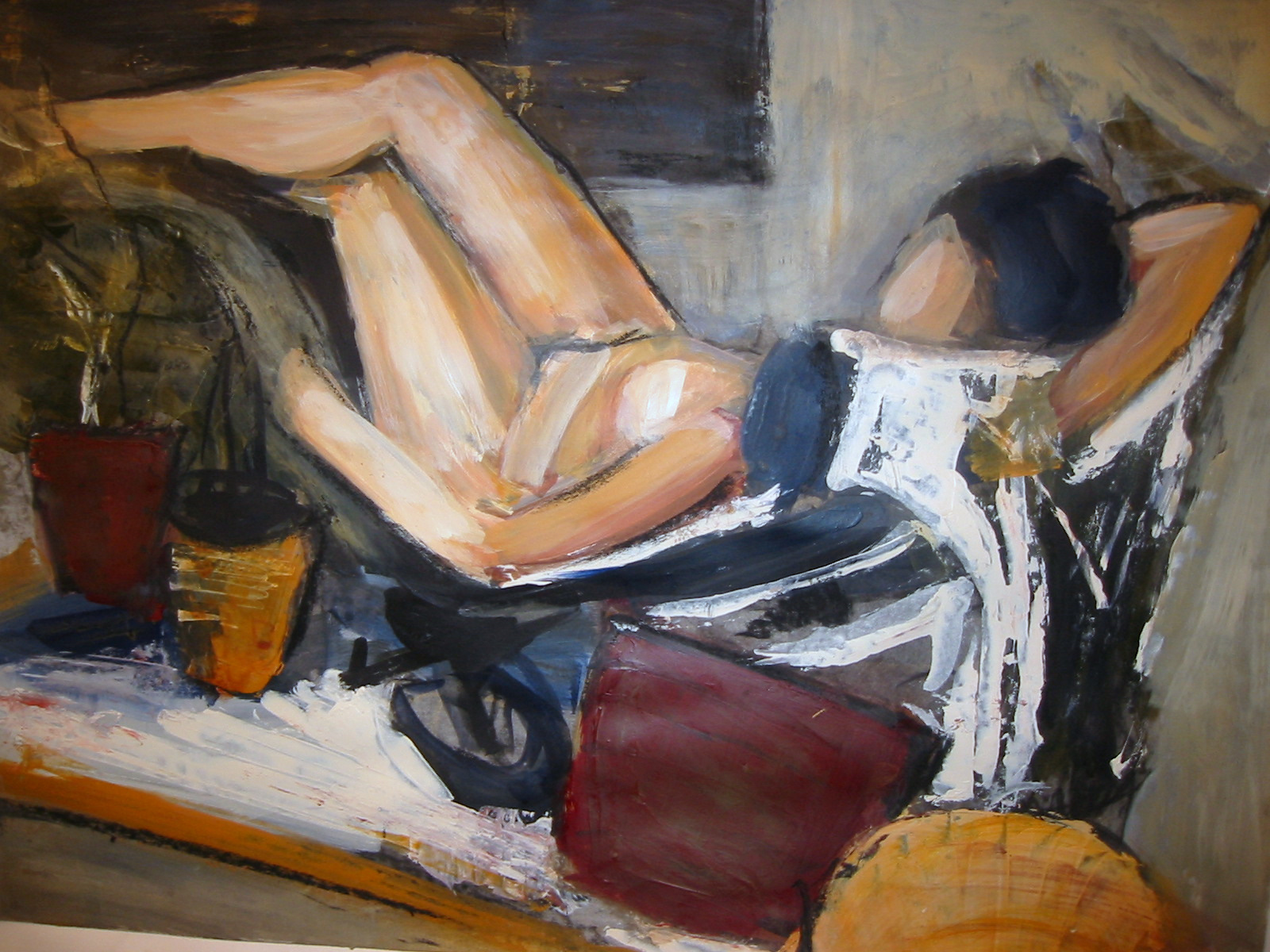
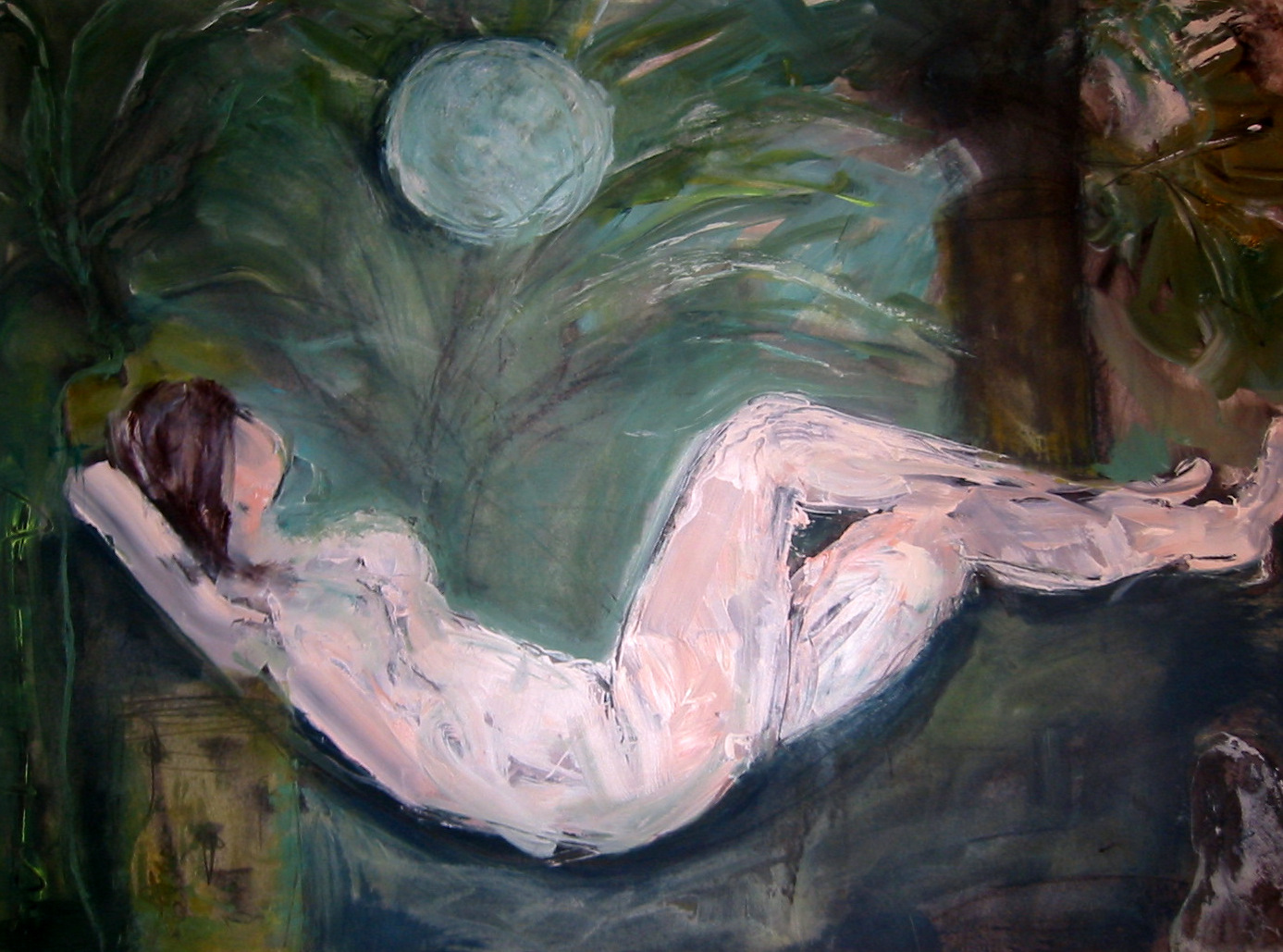
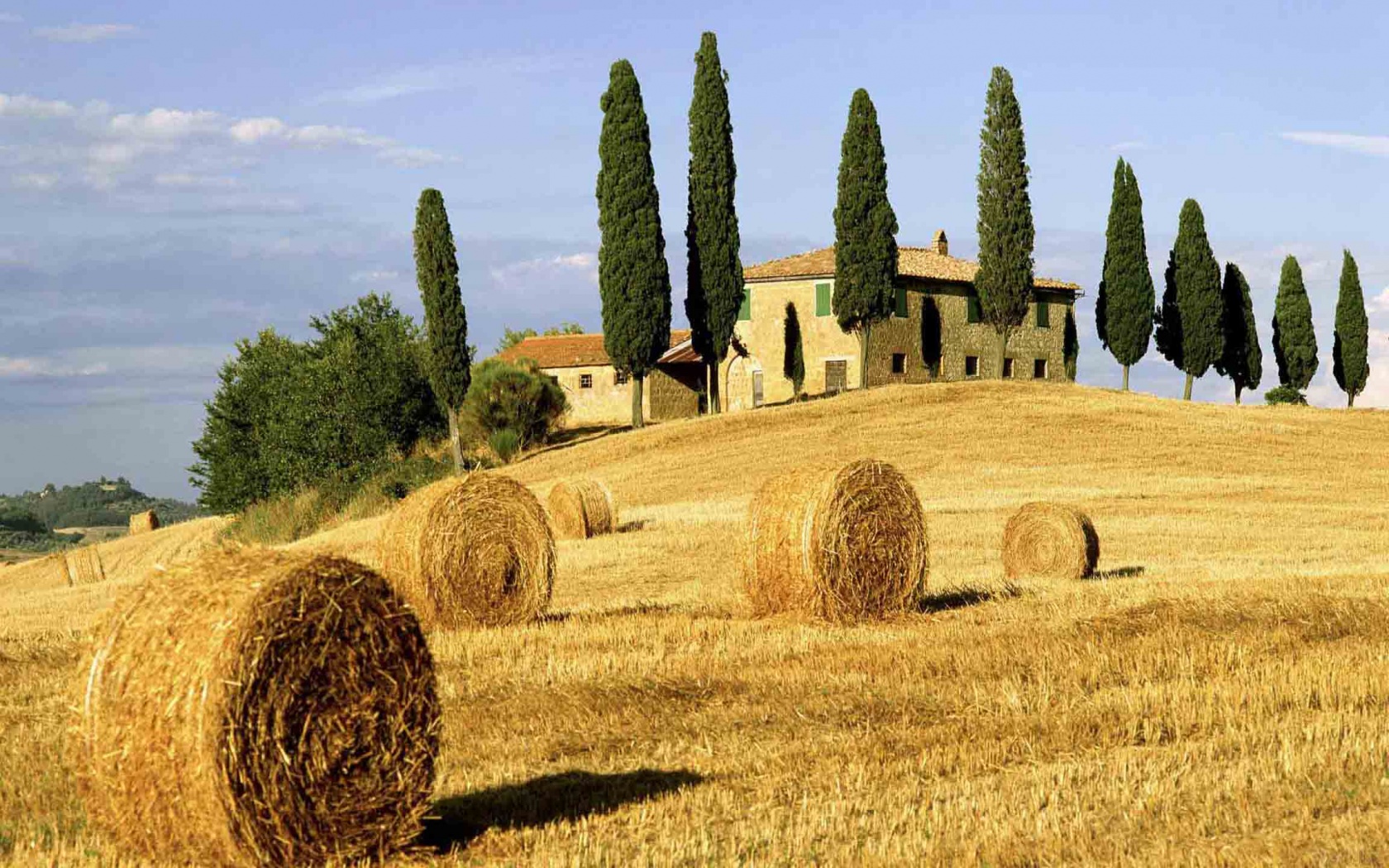
Choosing a subject carefully, for me, facilitates the experience.  Much like a good conversation, the source material spurs reaction, ignites ideas and eliminates blocks. I have (clumsily) uploaded photos, some taken by me, some from the internet, to illustrate the subtle differences in composition that can ease the way on your journey. Note when an evocative image might not make the best composition.

linear too straight and dominate
Posted in Uncategorized | Leave a comment