“It’s fun to have fun but you have to know how.” Dr. Suess

The Cat In The Hat turns 50 this year. It was created by Theodore Geisel in response to a challenge to write a book containing only the reading vocabulary of a typical 6-year-old that would engage and enthuse beginning readers.  Instead of traditional 1st grade primers depicting overly-polite Stepford-like children, Dr. Seuss created an inspired expression that captures the imagination. The book is 1629 words in length and uses a vocabulary of only 236 distinct words. Only a single word – another – has three syllables, while 14 have two and the remaining 221 are monosyllabic.

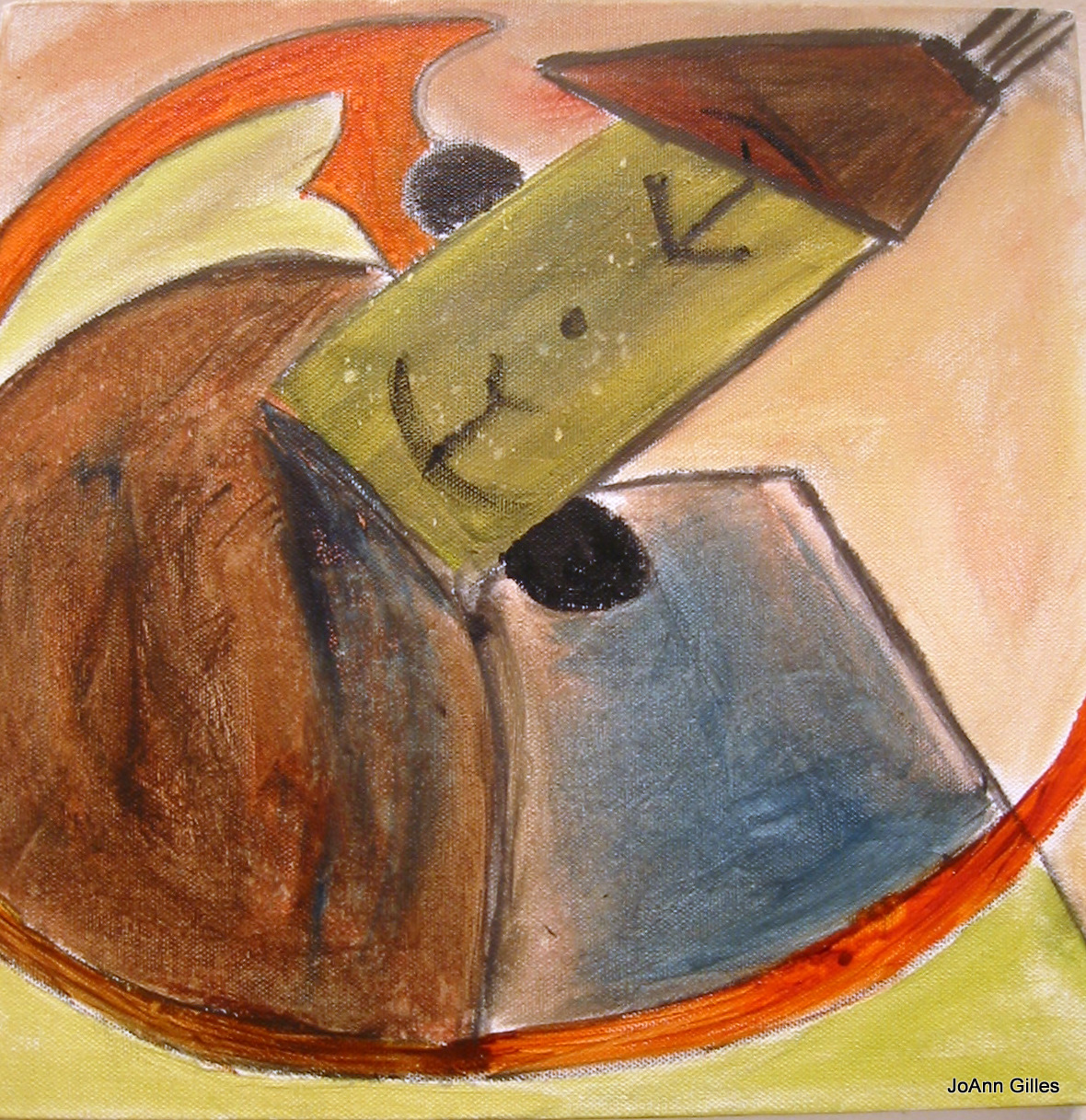
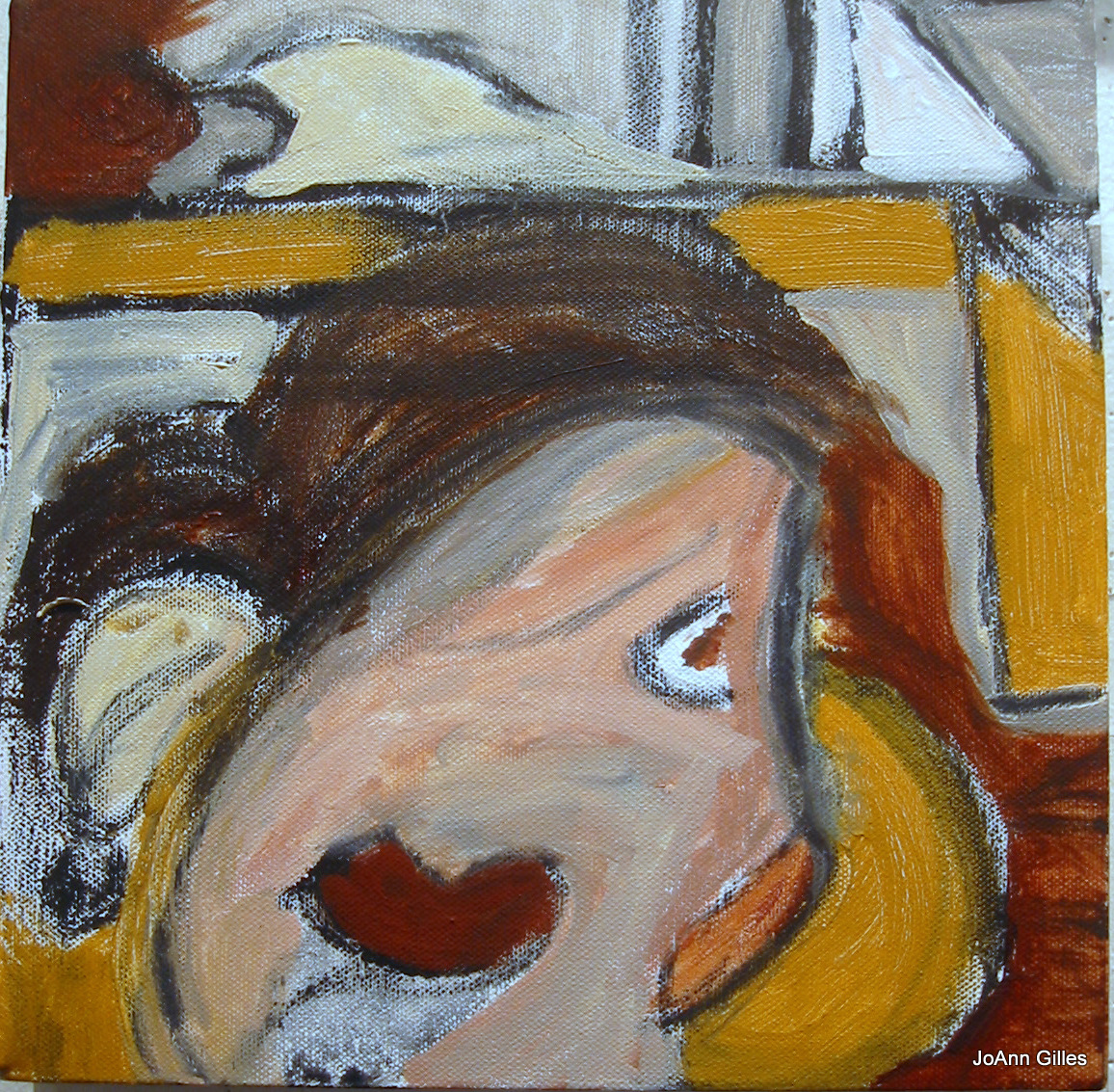
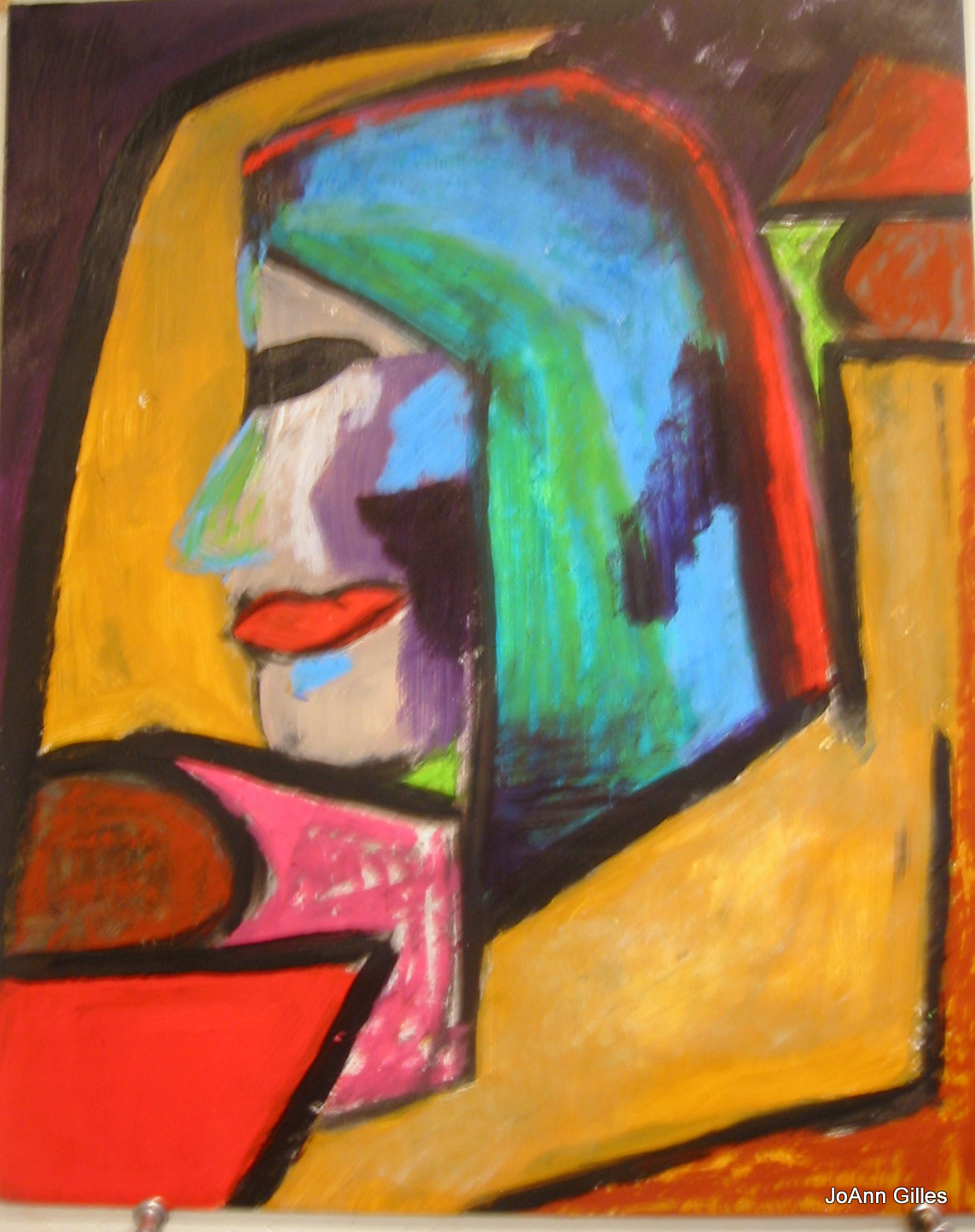
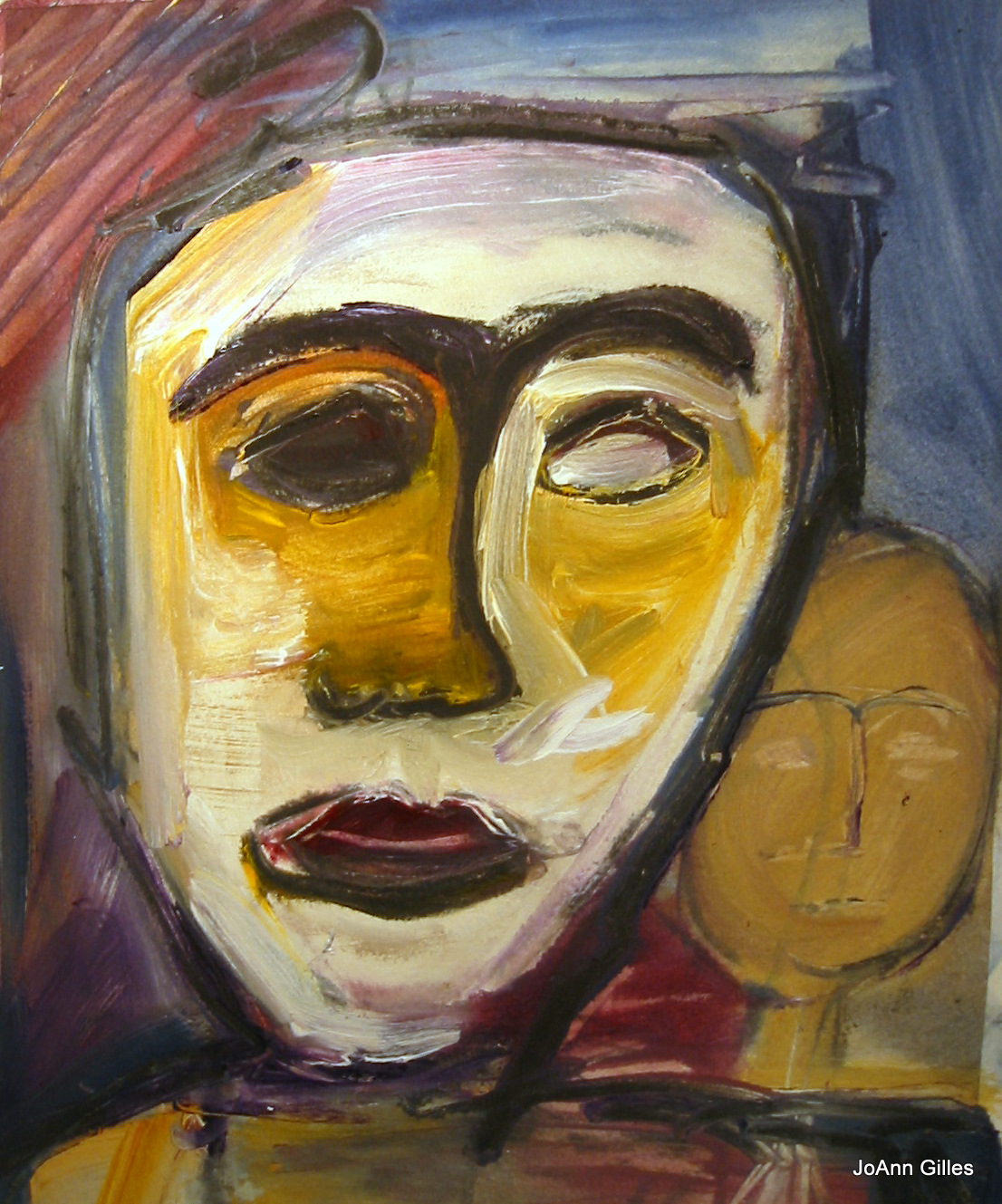
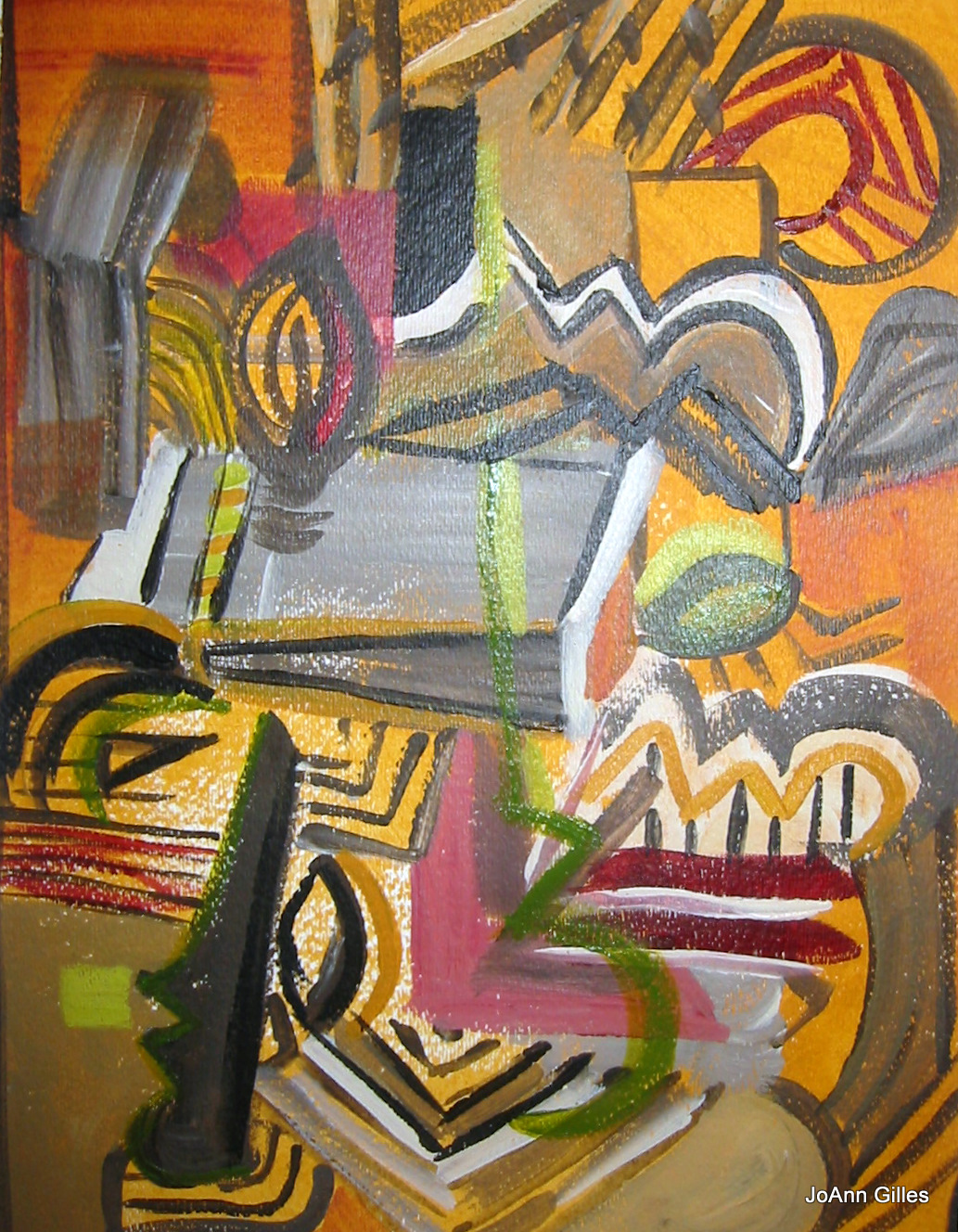
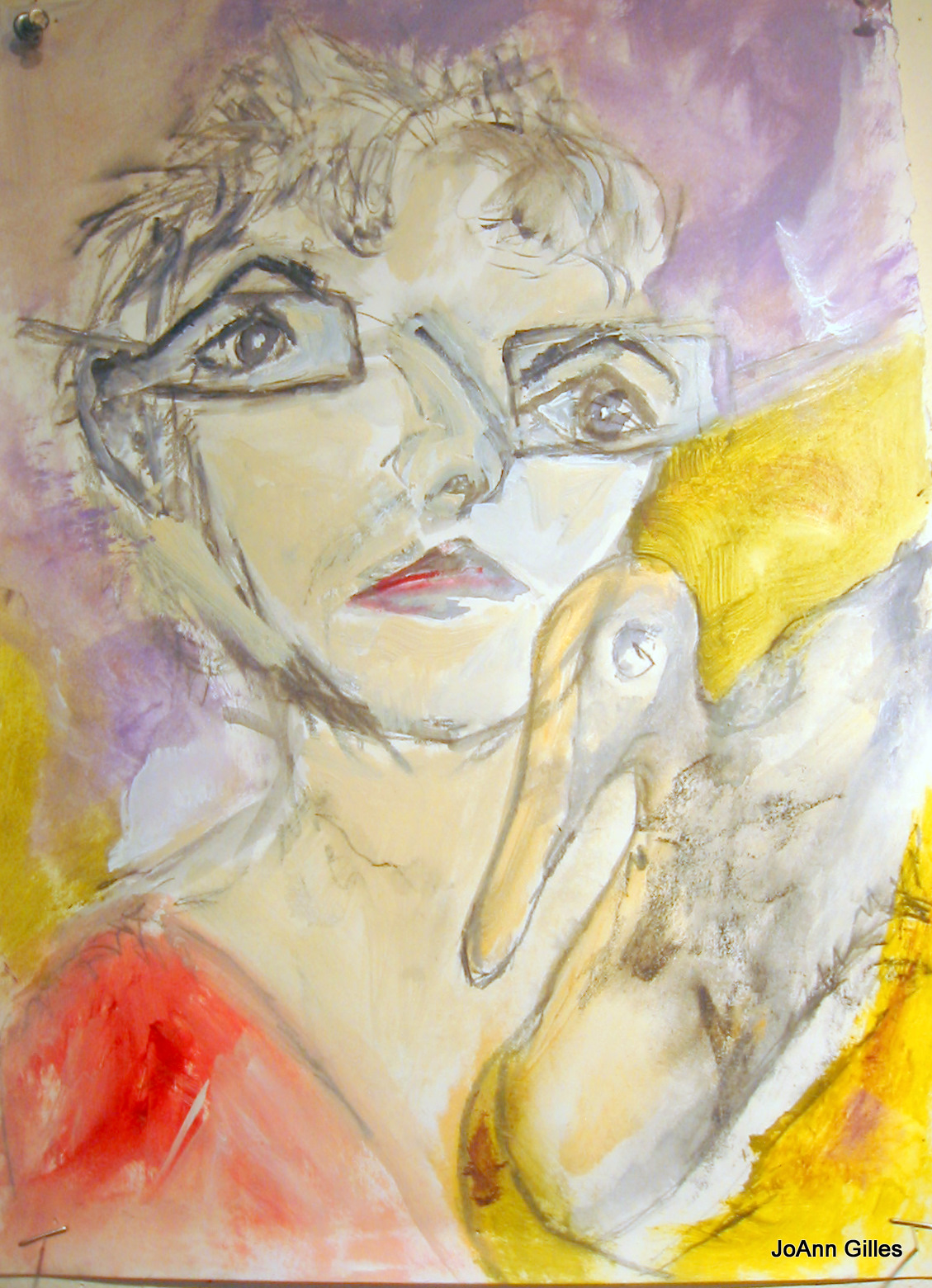
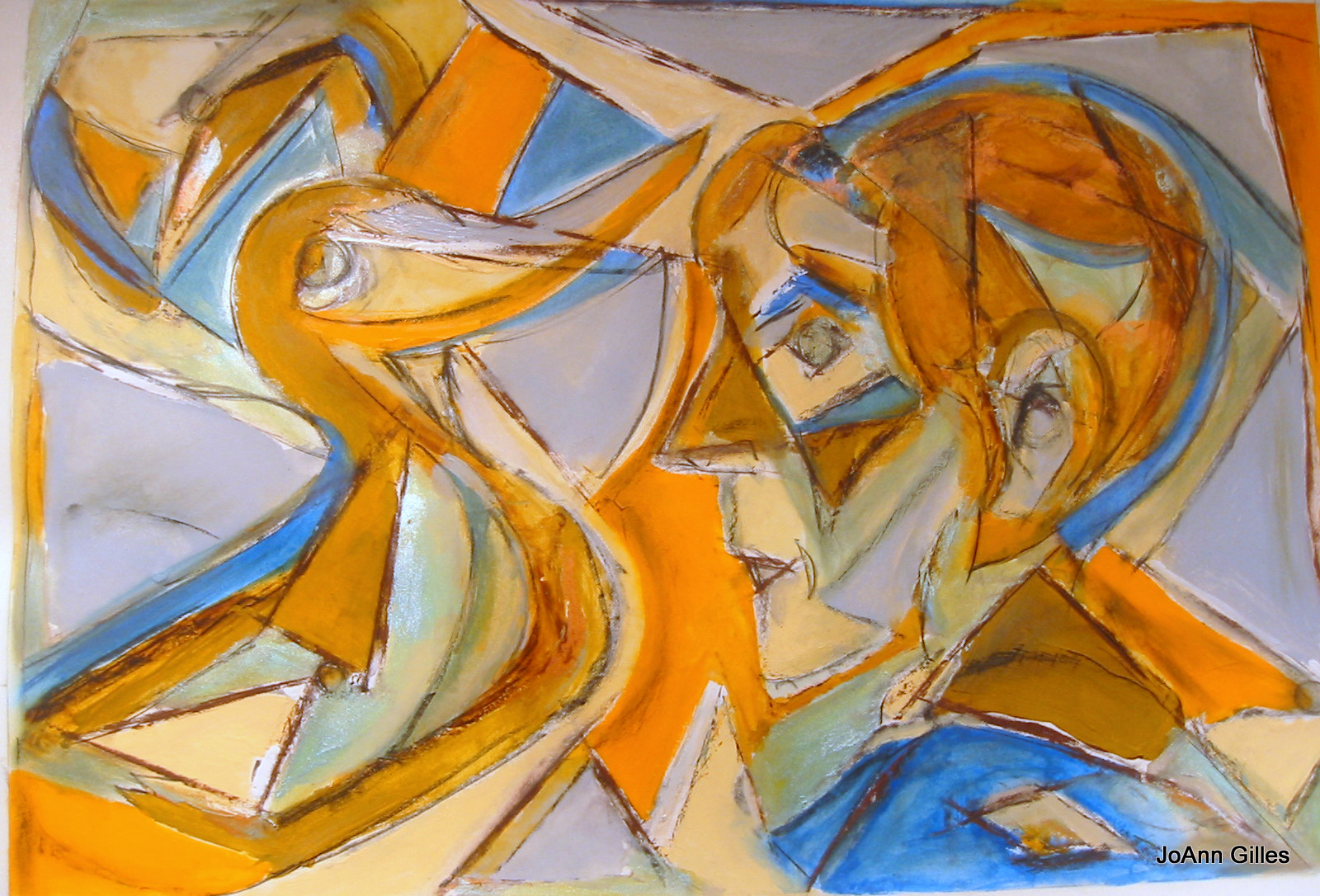
The creativity of Dr. Suess is directly related to the limits on the vocabulary.  Are you thinking what I’m thinking? A new challenge! Since a painting can be looked at as a compilation of visual vocabulary, limiting that vocabulary is likely to push the bounds of the process and reveal insights in the outcome. Think Haiku. (Or Twitter perhaps?)

I will come up with a limited list of techniques—some you may know, or not.  You must use all of those techniques, but no more to create your next piece.  You may start from scratch or use an underpainting.  You may continue to work on a piece in progress, but using only what will be on the list. You can be sure that dipping your favorite round brush into paint and applying it to the paper will NOT be on the list.

Bonus round—if you come up with an interesting technique (to be determined if it is interesting or not), you may switch it out with one on the list I create.  If you come up with a series of 3 or more that are different than mine, you can impose them on one person of your choosing.  So if Leslie wants to see what Lois will do with a palette knife, tissue paper and a sponge, she can devise a plan to be incorporated in the big picture.

The criteria for subject matter remains the same—choose a subject that is meaningful and has good bones.  As Louise Bourgeois says– tell your own story and it will be interesting.

Posted in Uncategorized | Leave a comment

Eavesdropping

Val brought her eighty-something mother to class on Saturday.  After watching the demonstration, which was with the same image, on the same-size canvas, painted with the same materials as on Wednesday, she said to Val “It looks like in order to paint you have to empty your mind of everything else.”

In the kitchen Jane talked about how it felt to allow the process to lead her wherever it might—a little scary not knowing the end, but worth the risk.

Laura K. mentioned how hard it is to put your heart and soul into painting and have your family stare at it blankly but then rave about something copied that you have no connection to.

I met an artist named Therese’ Murdza  whose work I enjoyed at the SE
Portland ArtWalk  (which Lois and Leslie participated in).   Our conversation led
me to a quote by the sculptor Louise Bourgeois: In an exchange in early 2008, The Associated Press asked Bourgeois what advice she would give young artists just starting out. “Tell your own story, and you will be interesting,” she responded. “Don’t get the green disease of envy. Don’t be fooled by success and money.”

To sum it up the “magic formula” for painting was overheard in a series of conversations– Choose a subject that echoes your “story”.  Keep connected. Be present in the endeavor.  Be willing to take risks and follow where each move leads–don’t always try to control the process.  And focus—“empty your mind of everything else.”  Practice daily.

This week we’ll be practicing this “magic formula”.  Your choice of the specifics. By request I will take the demonstration  starts to the next level. (talk about scary…)

Posted in Uncategorized | Leave a comment

Re-boot

As I attempted to shake the hangover from the richness of the weekend or mine it for inspiration—having luck with neither– I got distracted trying to make a comment on Brendan’s blog, the Trader Joe’s Wine Compendium (which you all would find useful if you drink wine- http://feeds.feedburner.com/traderjoeswinecompendium .) In doing so I discovered an old post on Blogspot. Not sure if it ever saw the light of day.

It was worthy of a re-post even though we have done similar things lately so you will find it below. It also fits with this week’s class in which I will demonstrate my process once again.

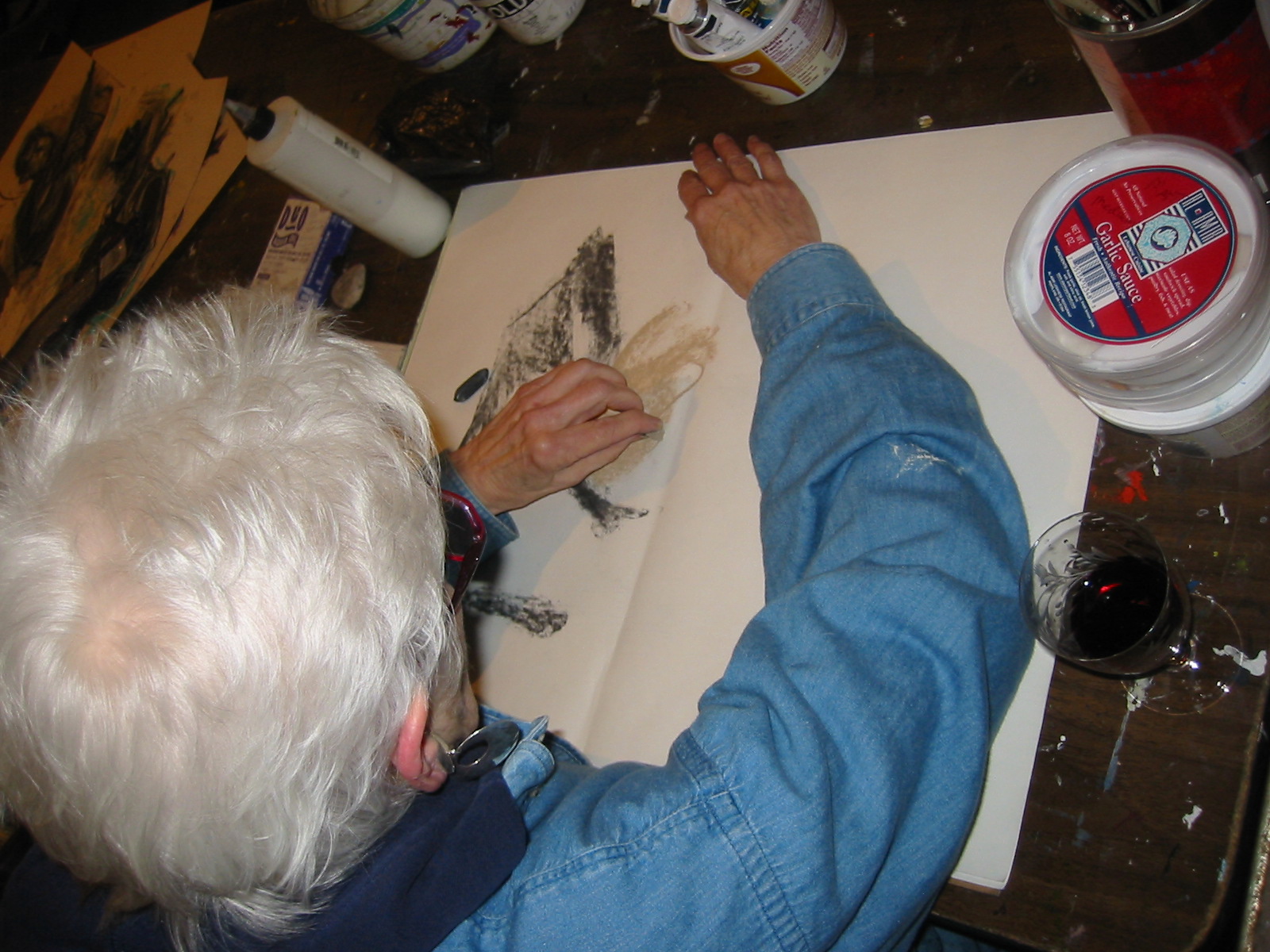
I will start with a large, gessoed canvas after choosing a photo as my resource.  The painting will not be finished during class but usually I can get down the basics in about 45 minutes—enough to hopefully provide some insight.  

It will be your choice of how long you observe and when you want to begin painting on either a fresh start or a re-work. I’ll do my best to talk and paint, but as painting requires focus I find this is very difficult. Feel free to ask questions, but other chatter will be hard to work through. Here is a brief rundown of the routine. Follow along during class if you choose:

            *Choose a subject that speaks to me.  Something that gives me the urge to pick up a brush but also something that offers me strong structure with some choices in direction. This is crucial to frustration level.  If there is not a good composition in the photo I need to make sure I can: crop; edit; rely on other input; or be able to work from my head to create one.

            *Then I begin with charcoal and a spray bottle. This is the medium that most inspires– something about that silky smooth flow of the rich black against the white that leads me down the path to expression.  Midtones are established.

            *From there I let the colors that I can’t wait to squeeze out of the tube enter into the picture—you will see how it goes. (So will I–until it is going, one has no idea.)

For your part, bring something to paint–either begin anew or continue developing or reworking paintings in progress. If you’re in the mood follow the instructions in the old post below and see how it effects your process.

Old Blog

The exercise was to first write down why the source material was chosen, what it evoked, why it mattered. Then create your own “problem” by writing down a set of eight instructions.

Unlike most exercises we do the dialogue shifts slightly to be with oneself at the beginning of the process rather than with the painting.

Examples—
Janet’s instructions:
1) With photo upside down, find three lines and draw them on the page.
2) Turn paper upside down and repeat those three lines.
3) Choose three shapes made by these lines and create lights and darks within these, giving a sense of shadows.
4) Turn the paper, where things look tight, loosen them.
5) Assess for balance using either shapes or colors from the photo to balance the piece.
6) find some element in the photo that you didn’t notice before and add it. (why didn’t you notice it).
7) Assess and remove an element that doesn’t serve the whole.
8) Turn the paper upside, make a wash the color on one element and apply where needed.

Ellen, whose subject was a photo of an Antonio Gaudi sculpture says: “Music is evoked by this work of Gaudi—Baroque music. Music and water. Light & darkness. Geometric and floating lines. Visual poetry.

Her instructions were more of reminders of what to do while working rather than step-by-step directions (edited for brevity).
1) Remember to stop working and look from a distance; squint; look from different angles, turn upside down, etc.
2) Stop working when you don’t know how to proceed. Consult other sources for “things that can be done” before deciding there is no way to proceed.
3) Round up your muses at the outset and at every point that you feel doubt.
4) Be fearless, but not careless.
5) Stay invested in the process, not the outcome.
6) Try to create light coming through the work.
7) Remember how important darkness is in creating light.
8) Do not fear your own darkness.

Posted in Uncategorized | 1 Comment

Our Job

Observation when painting– the more anxious I am to grab what I want out of a painting the more it wants to escape. Have you ever broken a thermometer and tried to pick up the mercury?

The most successful creative moments I experience are when I begin to hate the mess made on the page, or I start to regret that last stroke, or I become aware that the color I just put on the canvas is revolting. But instead of letting that immediate sense of embarrassment and doubt settle in I let it skip over me. Sometimes an unintelligible, guttural sound escapes, but in replacing it and those feelings of inadequacy with a deep breath and a belief that there is an inner wisdom, something other worldly takes over. And sometime later, as time melts when I am in that “place,” a painting that resonates begins to  emerge.

The ancient mystics held that a cord connects us earthly souls to the divine.  The gods pluck it “up there” and there is a vibration down here and vice versa. The mystic drowns out all distractions, including self-criticism, in order to hear that vibration. That vibration turns out to be our inner voice. Our own true vision. Trust it—let it take the lead.  Trust that you know enough.  That is our job for the week.

Posted in Uncategorized | Leave a comment

Go Figure

In Camelot, Arthur asks Merlin what is the best thing for being sad.  Merlin says “To learn something—it’s the one thing that never fails. You may grow old and trembling in your arteries. You may lie awake a night and listen to the disorder of you veins. You may miss your father, your mother, your dog, your only love. There’s only one thing for all of it—learn. Learn why the world wags and what wags it.”   

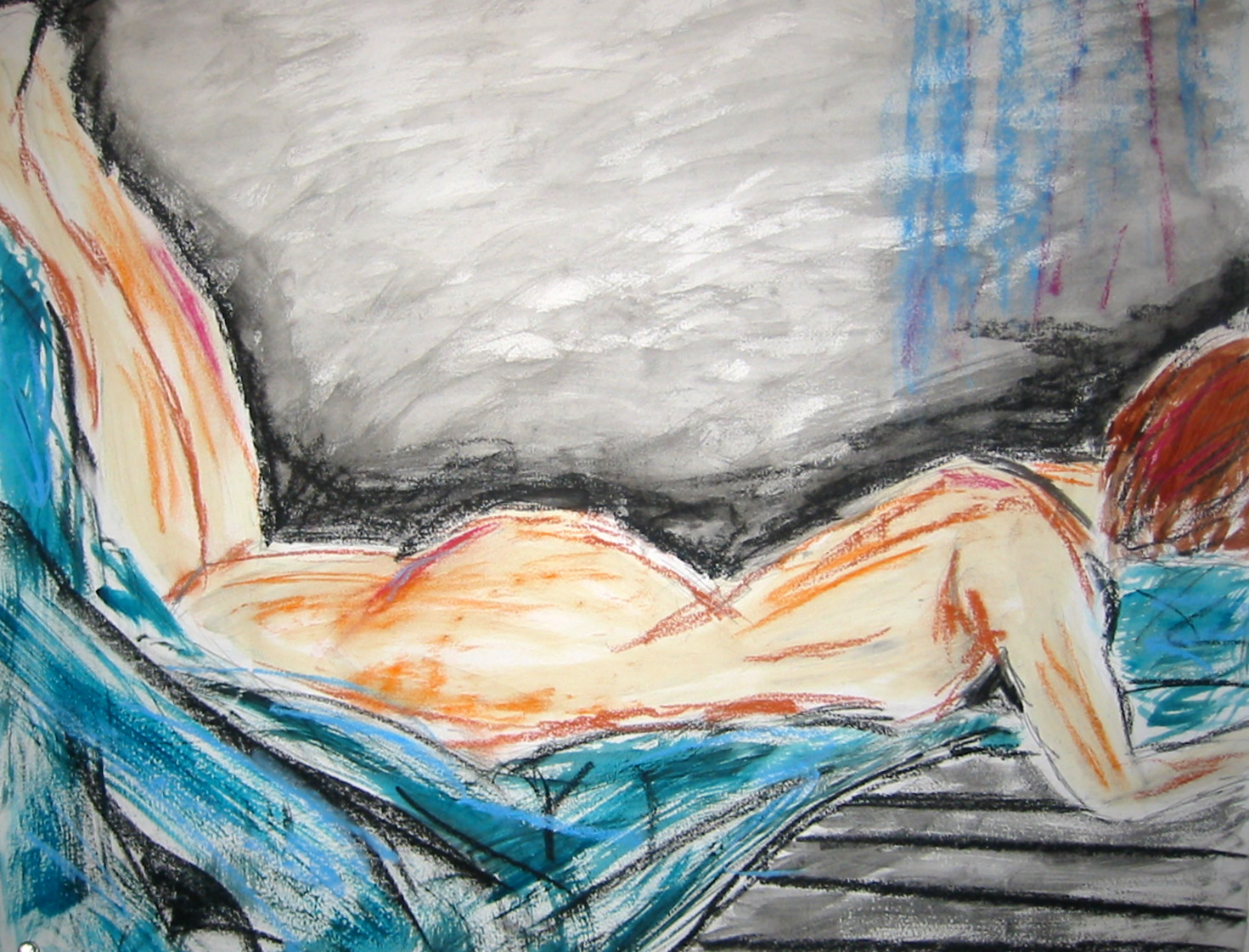
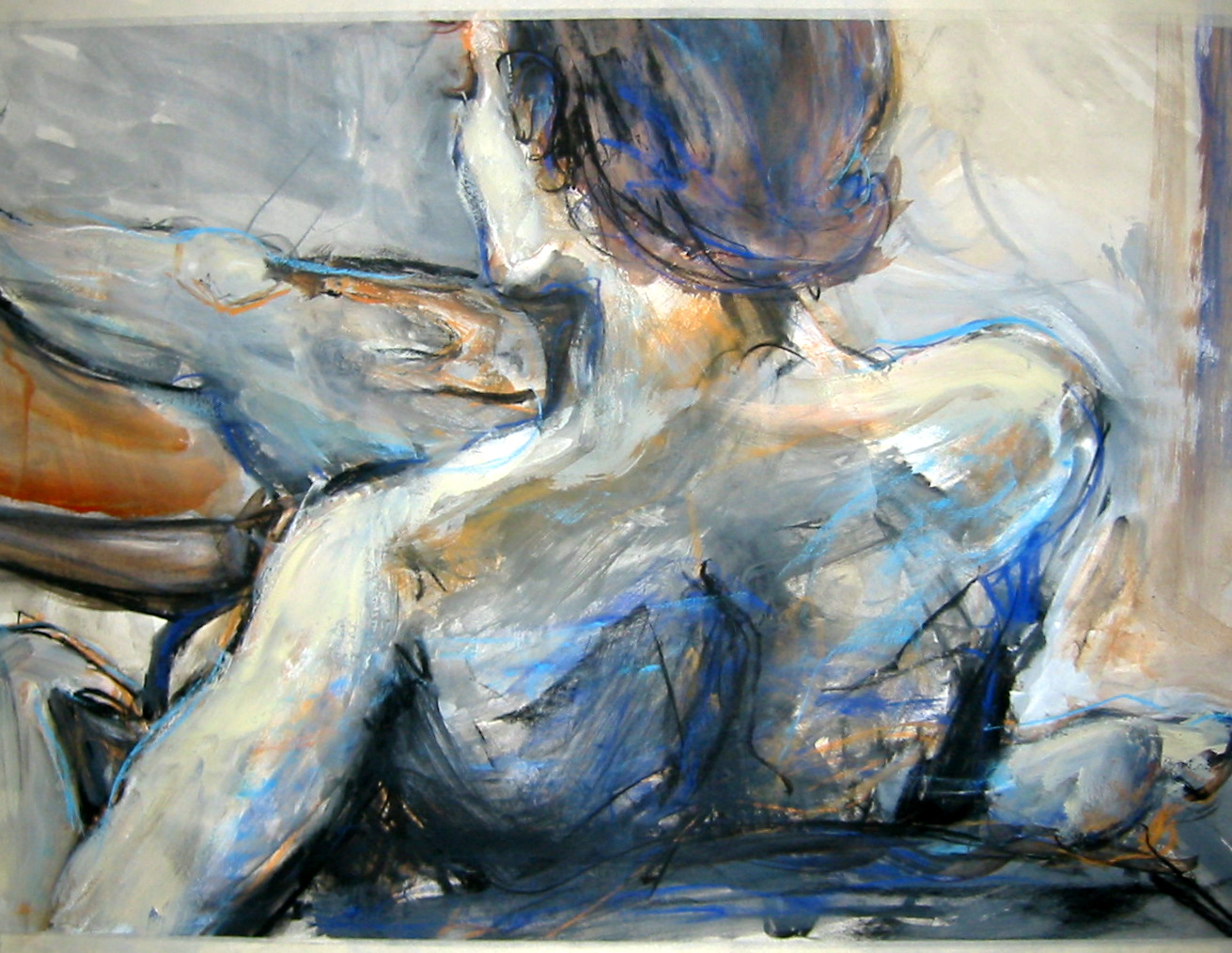
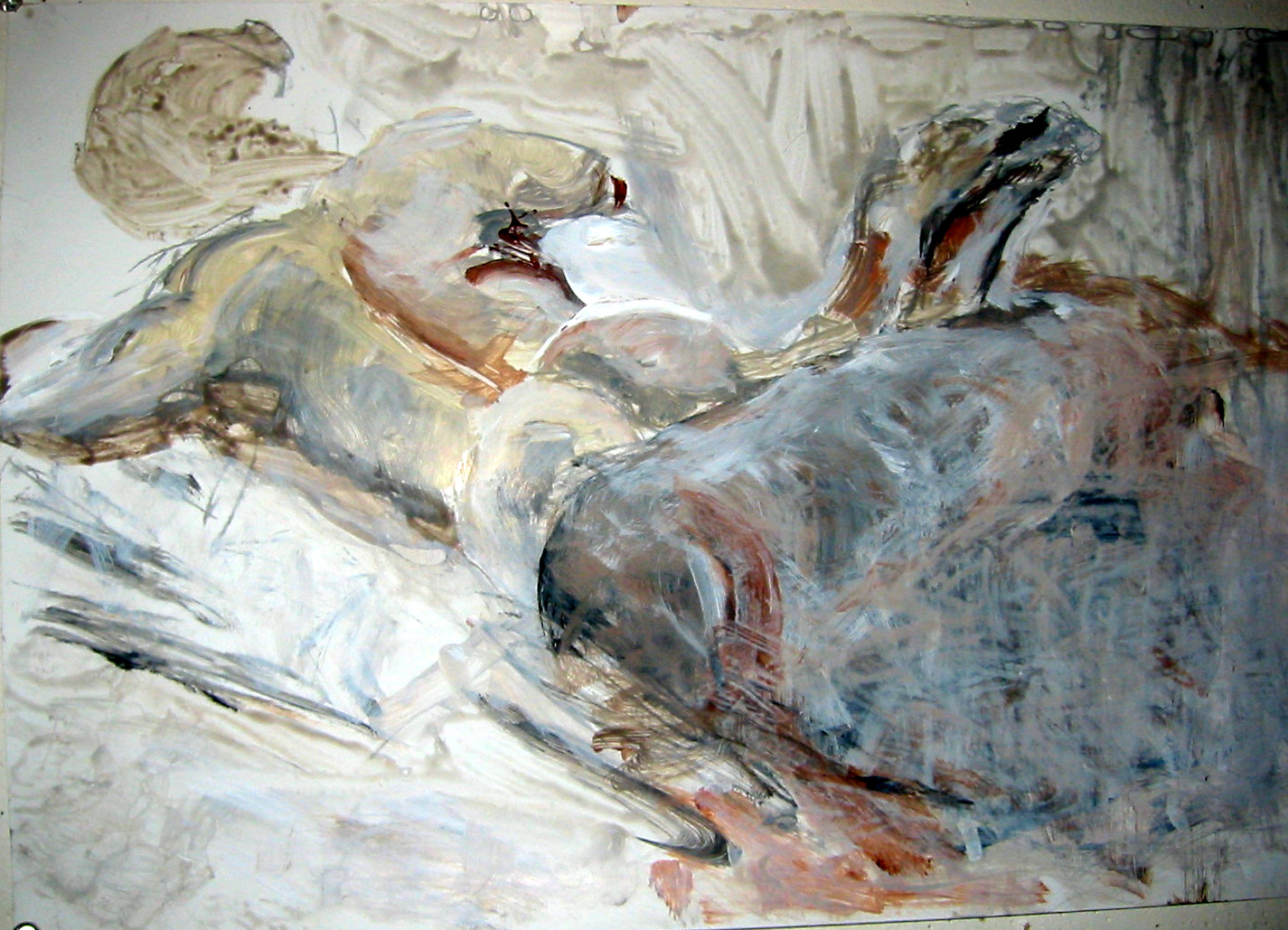
It’s amazing how repeating an exercise leads to learning.  The figure work this Saturday was more insightful, more sensitive, more innovative than last—go figure (yuk, yuk). I’m sure it will be the same on Wednesday. 

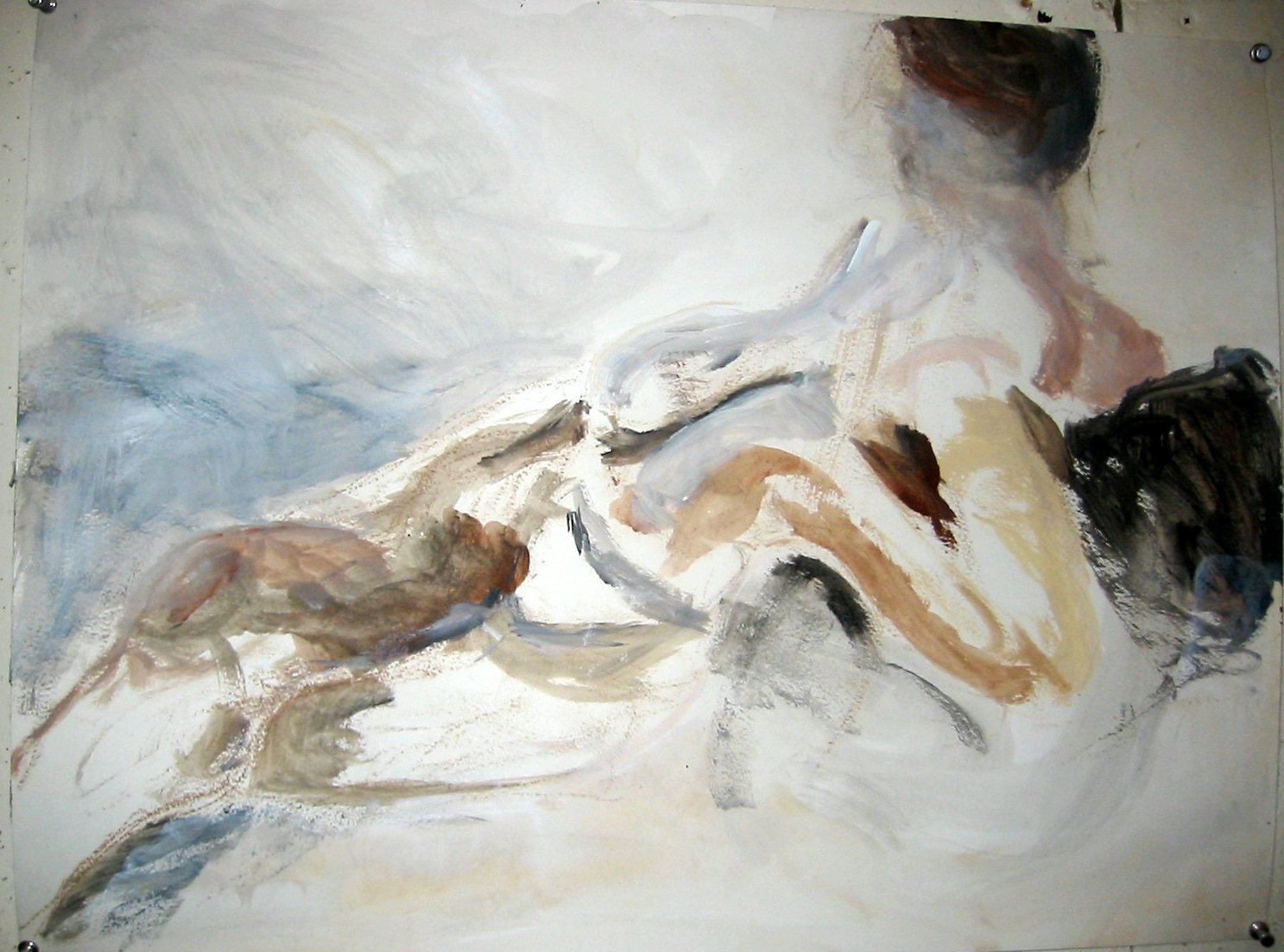
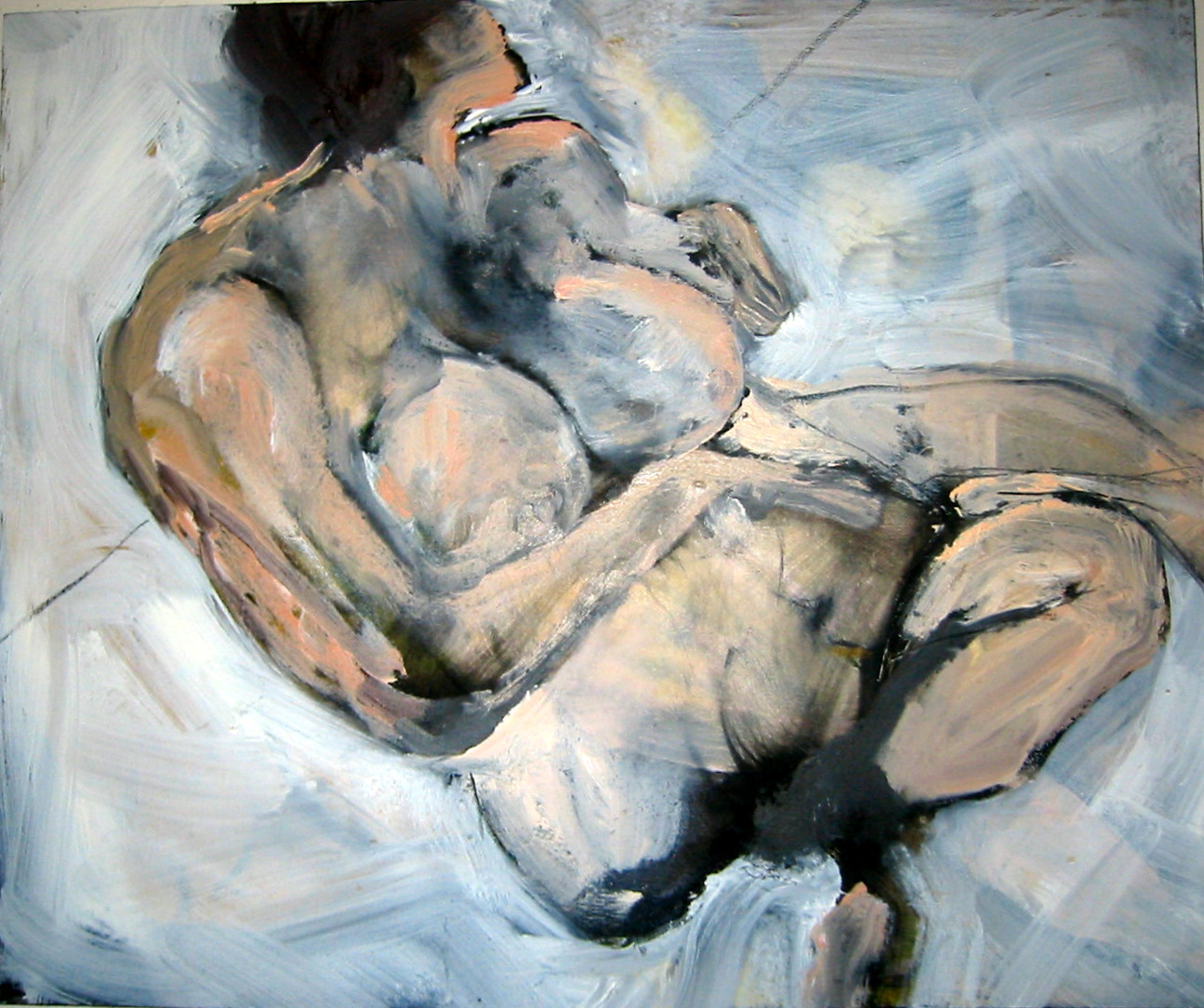
Because we are out of sync between Wednesday and Saturday the next week for Saturday will be continuing to develop painting from figure studies (or anything else) while Wednesday has another crack at the model—this time Mary.

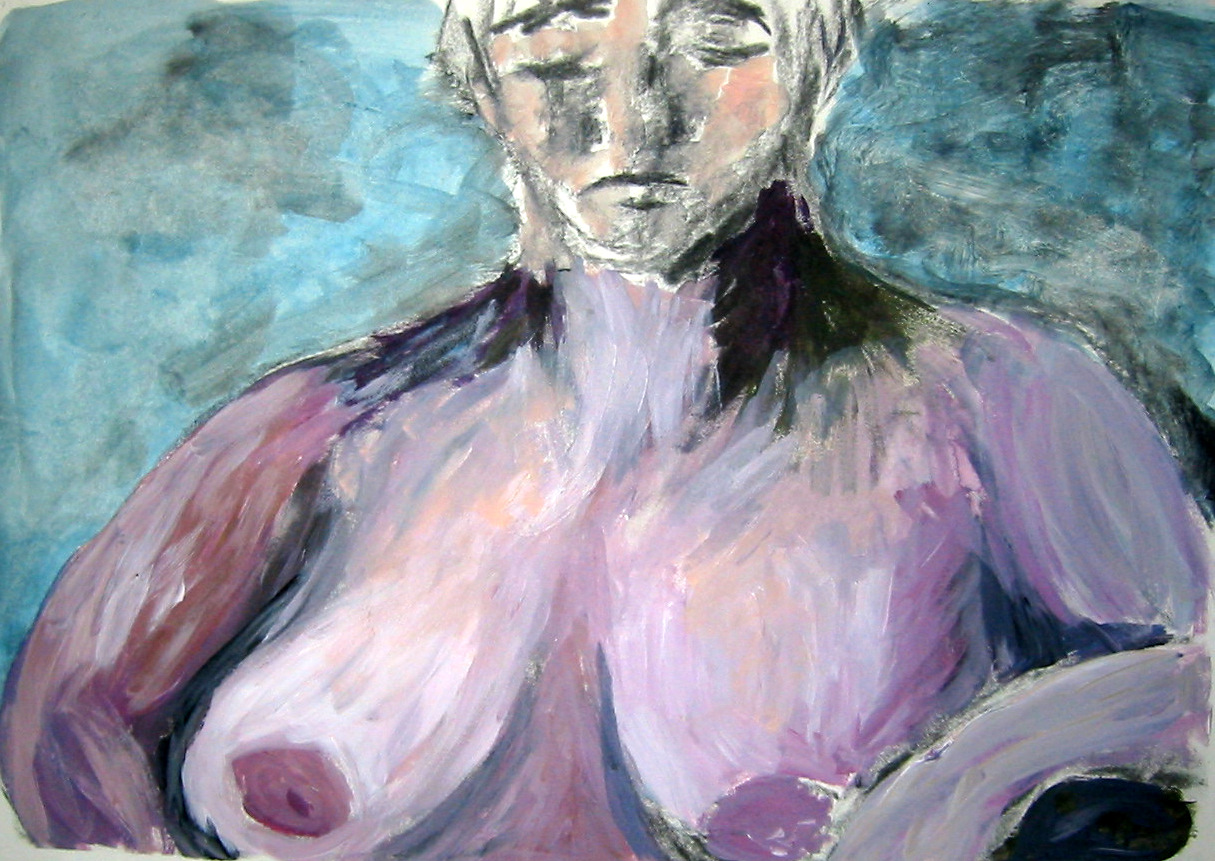
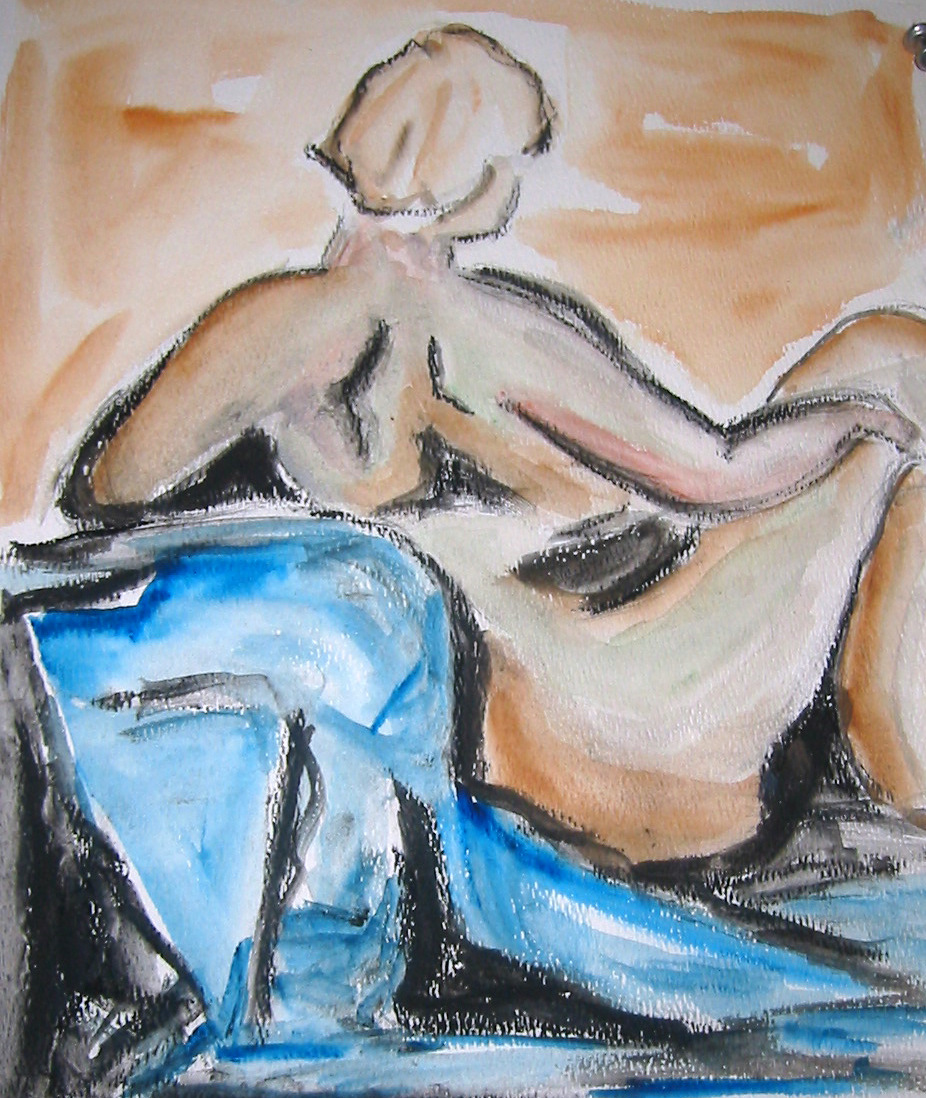
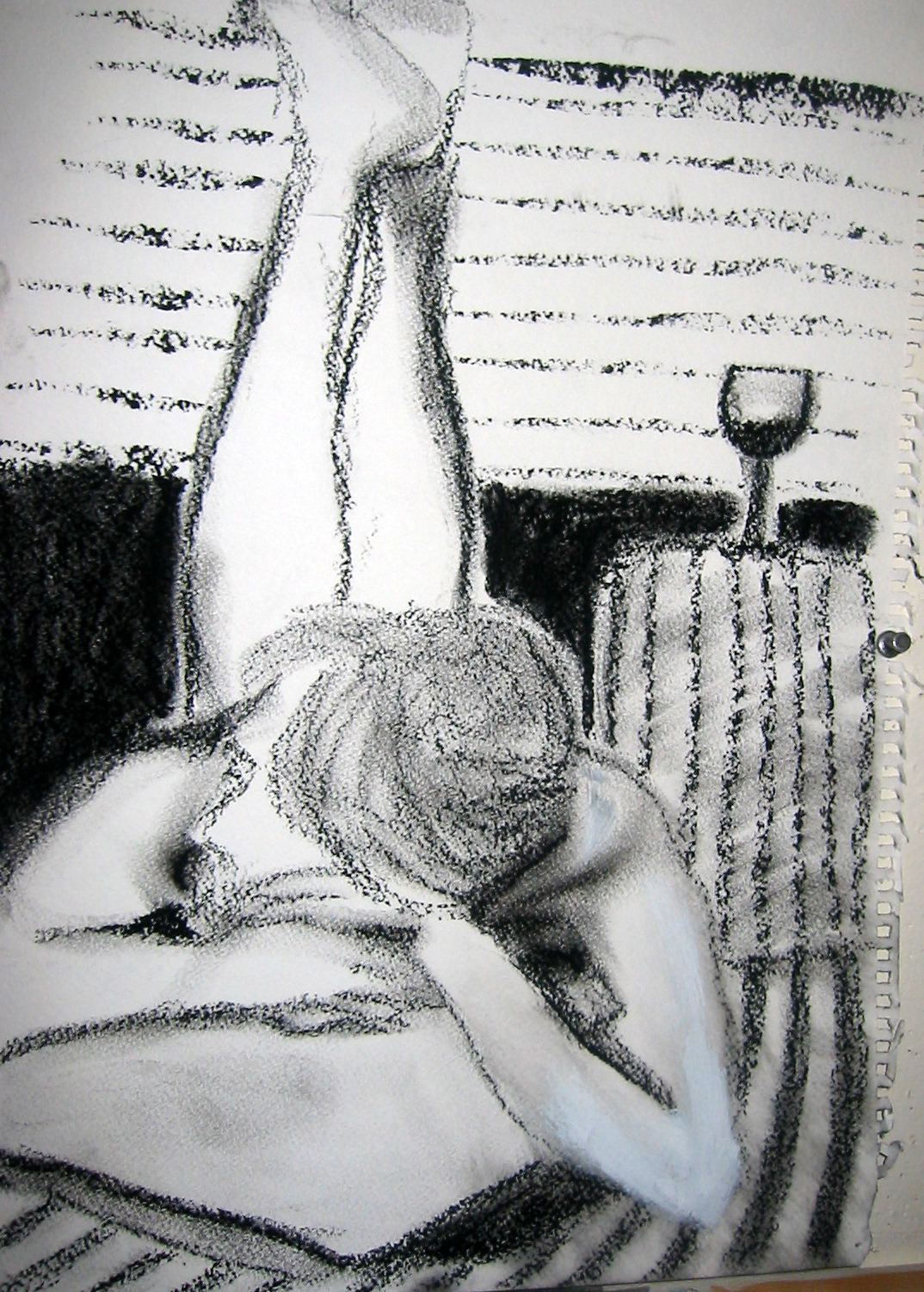
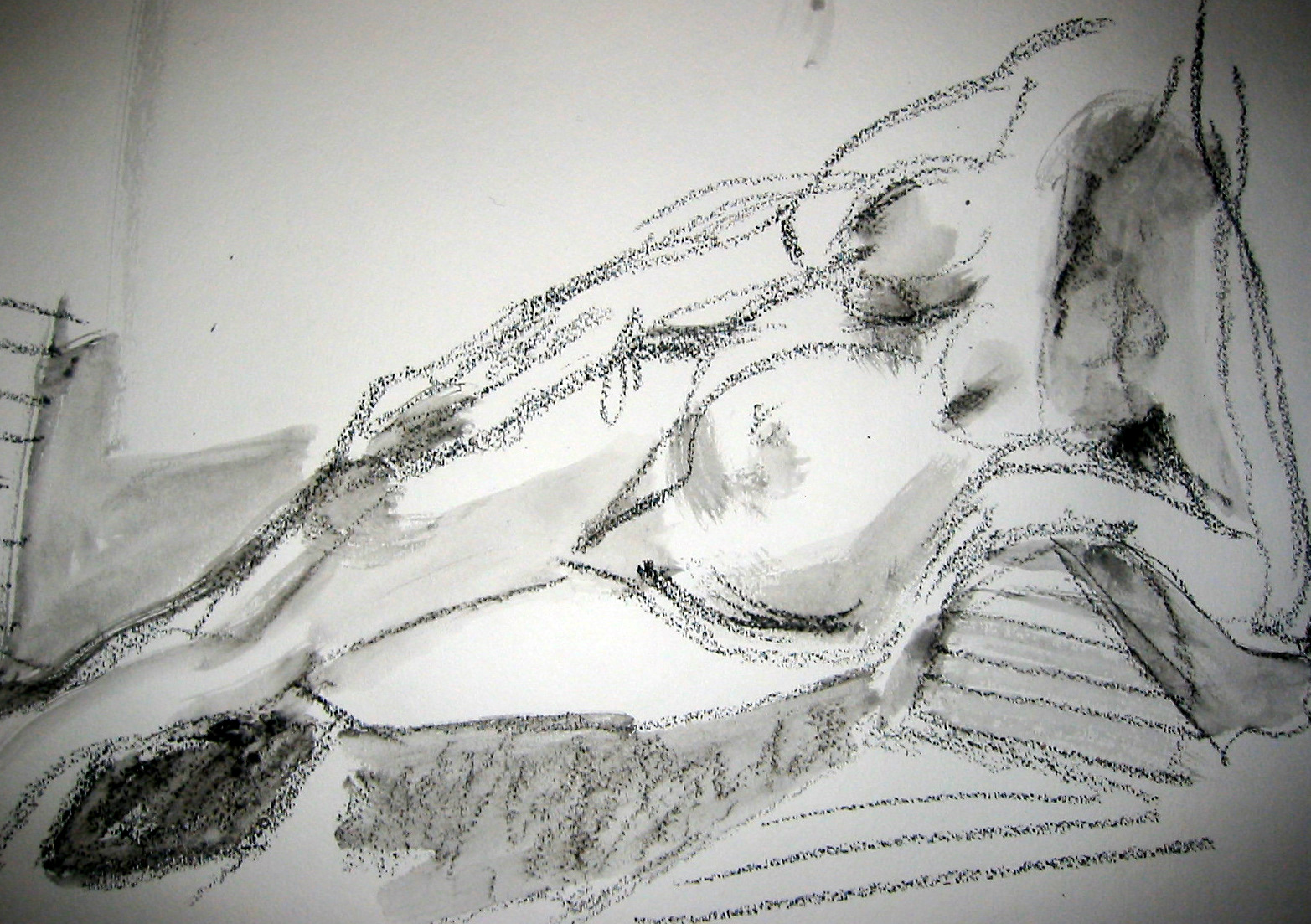
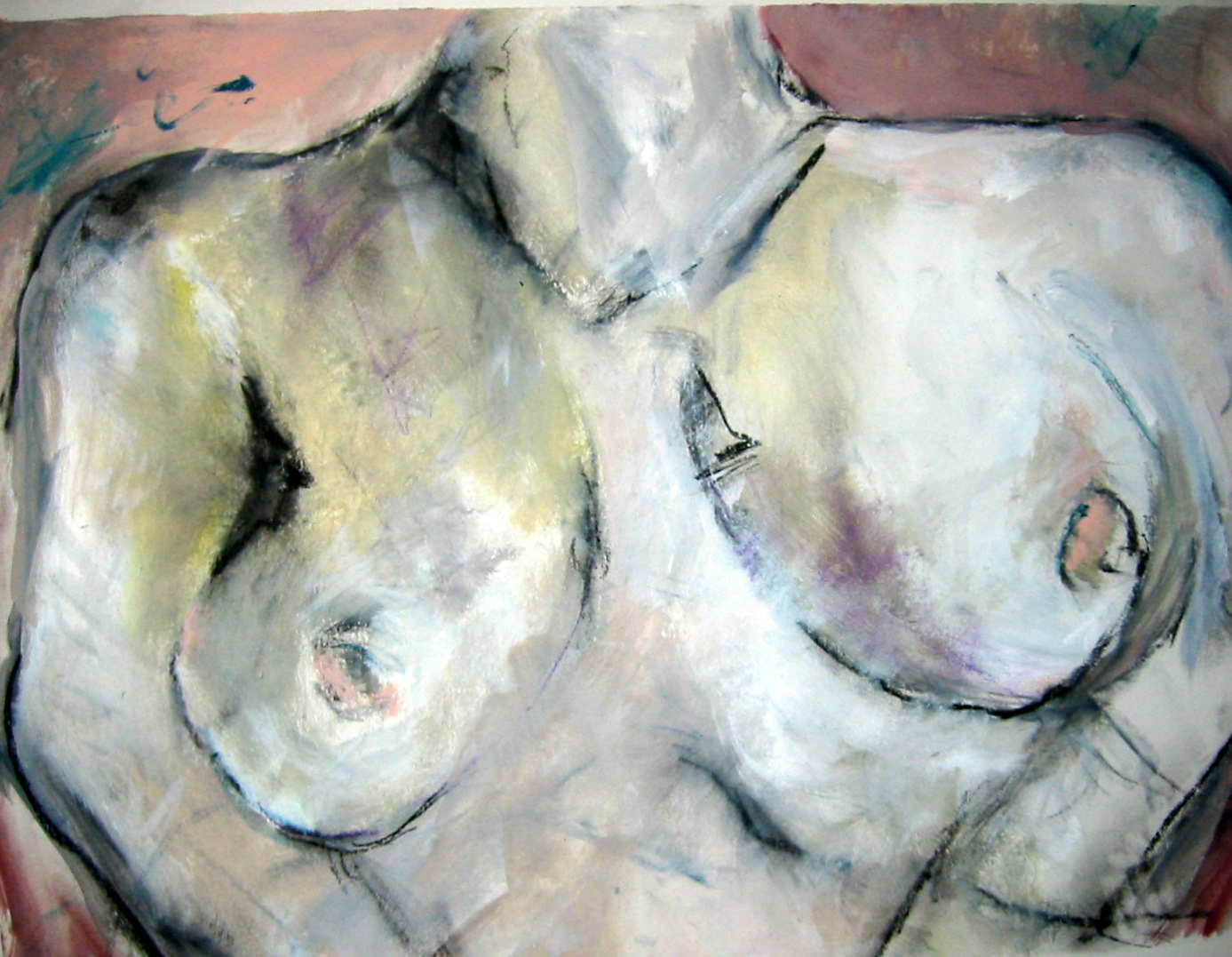
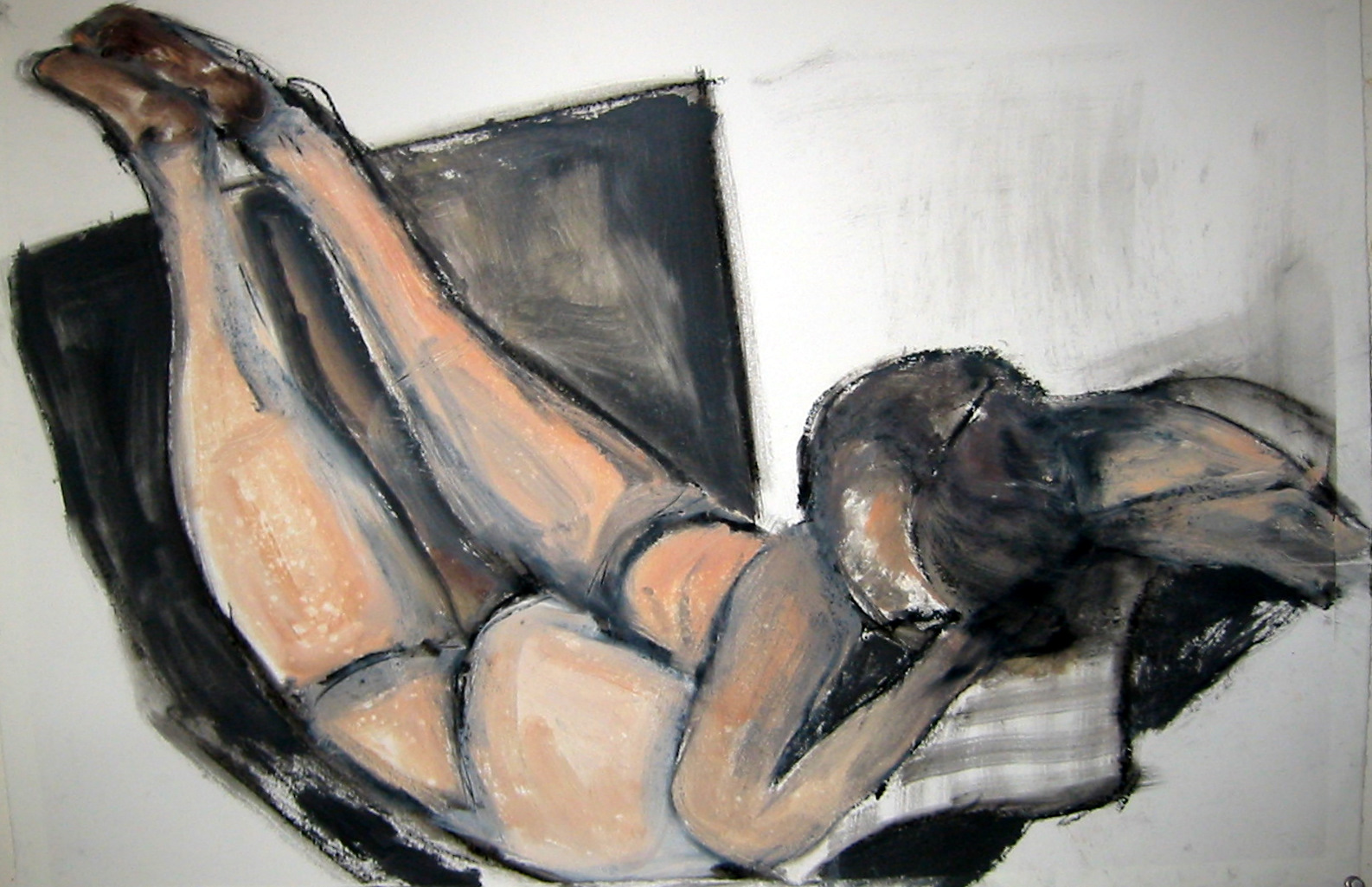
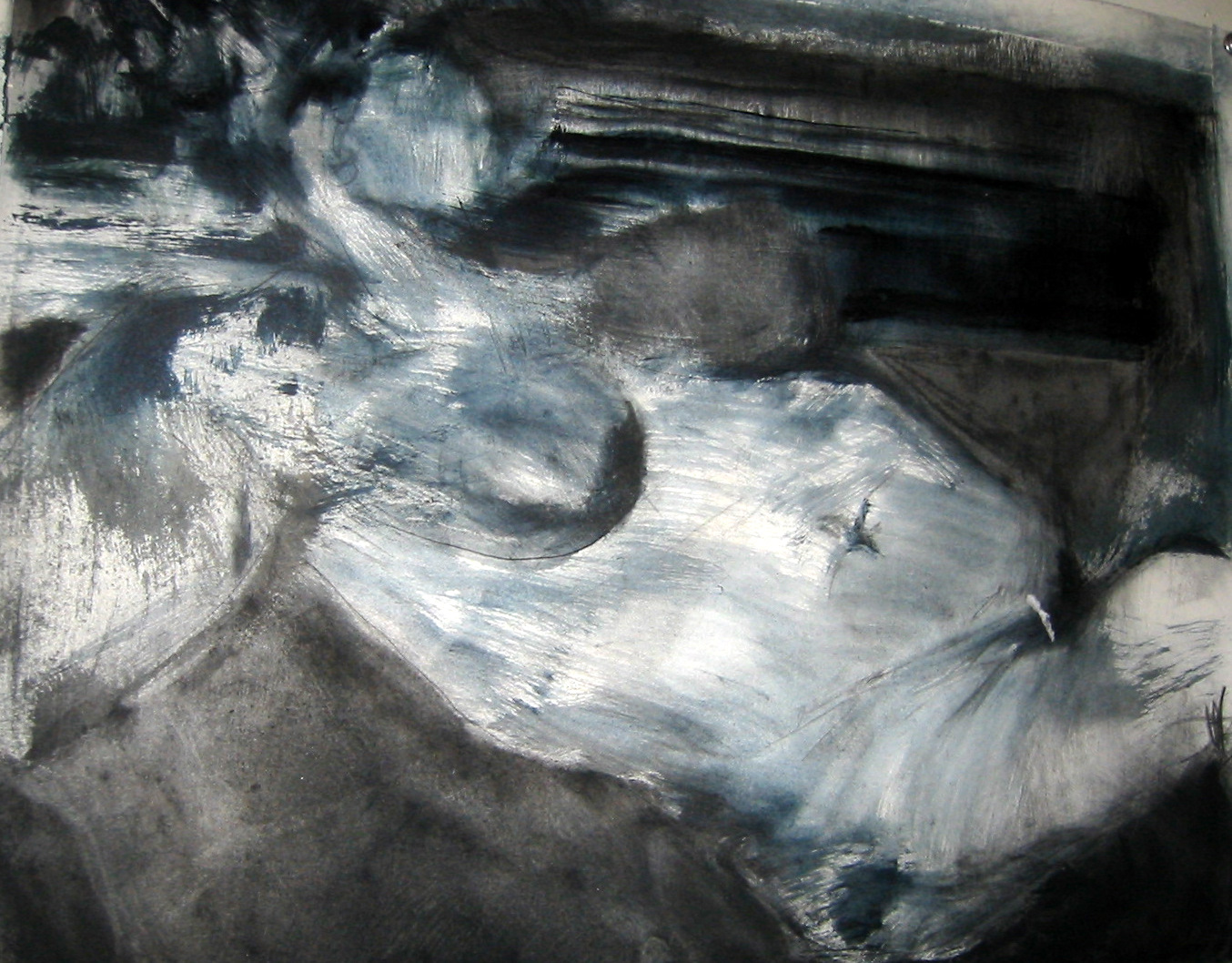
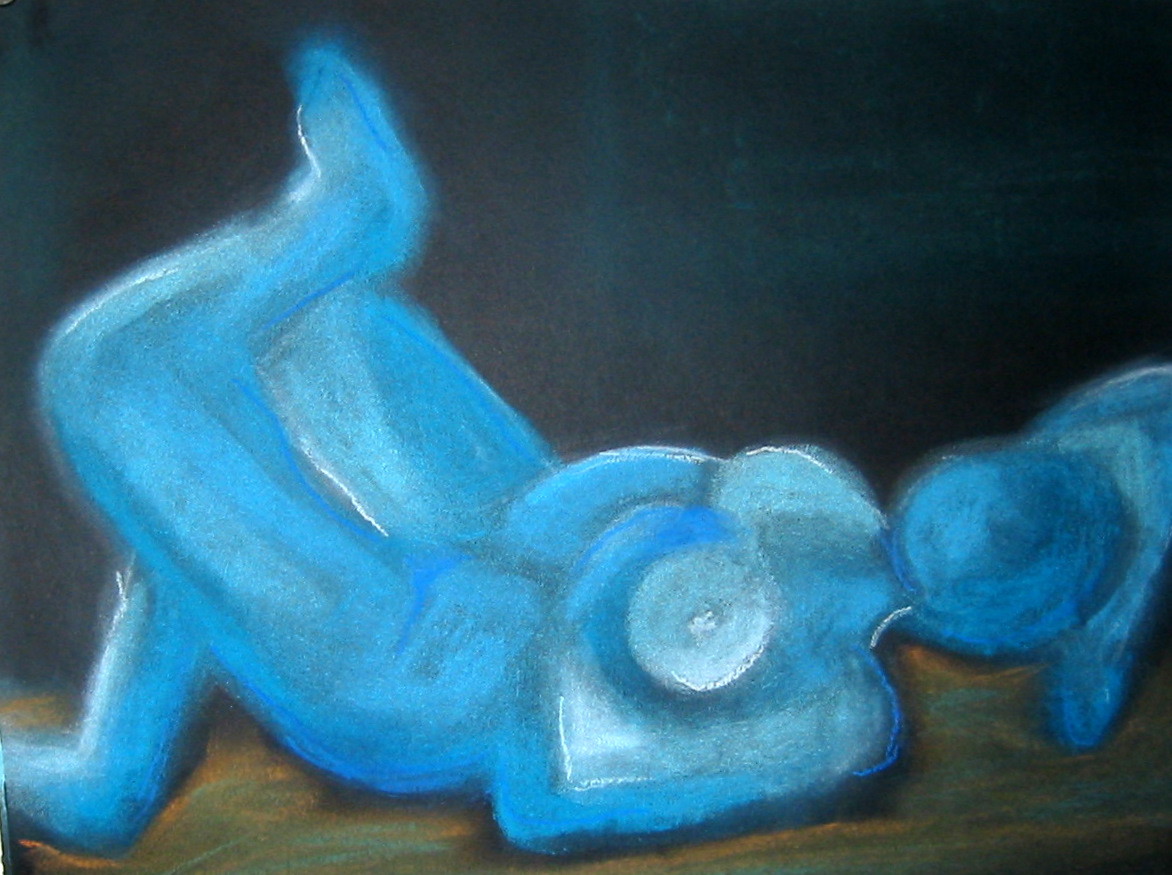
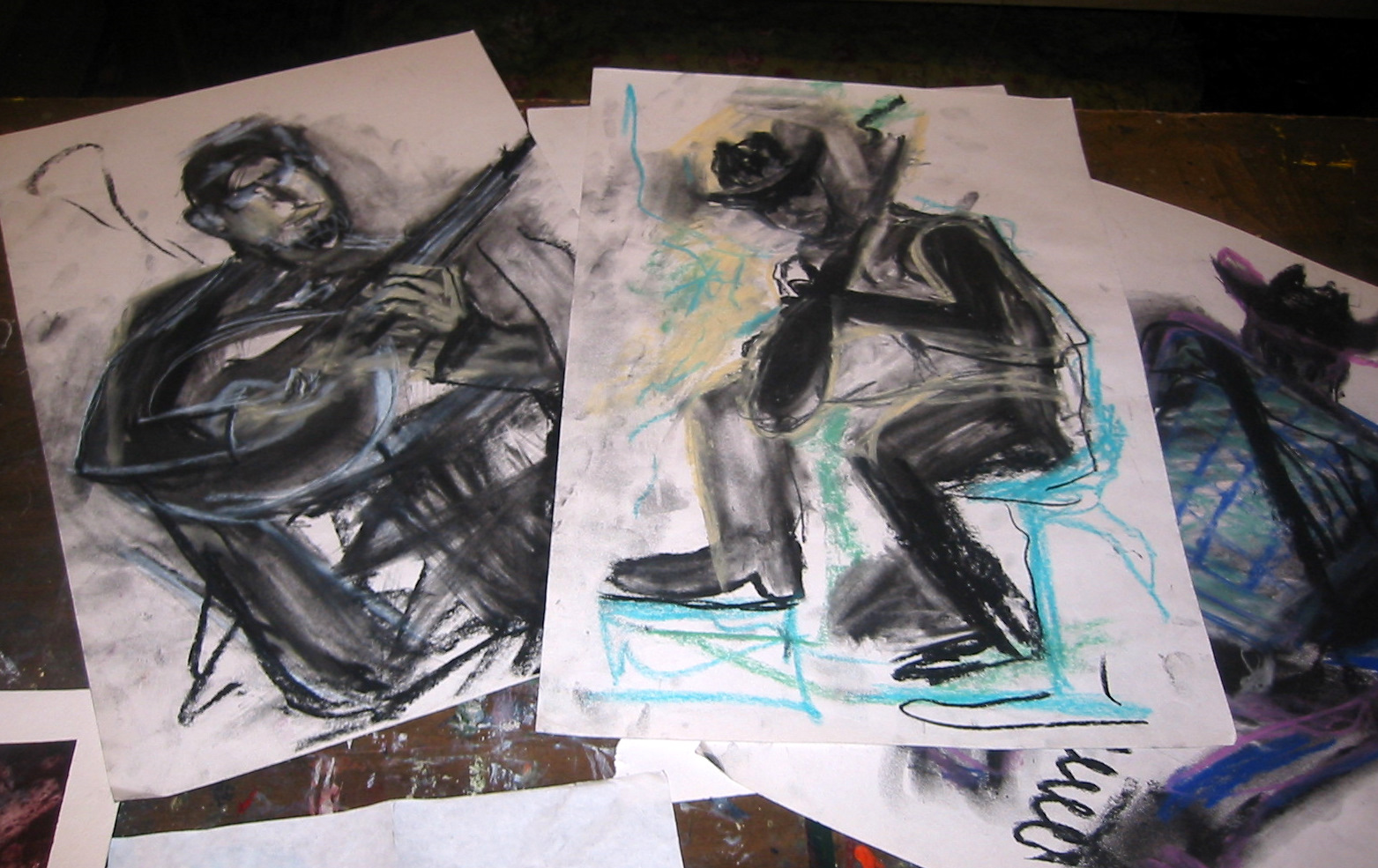
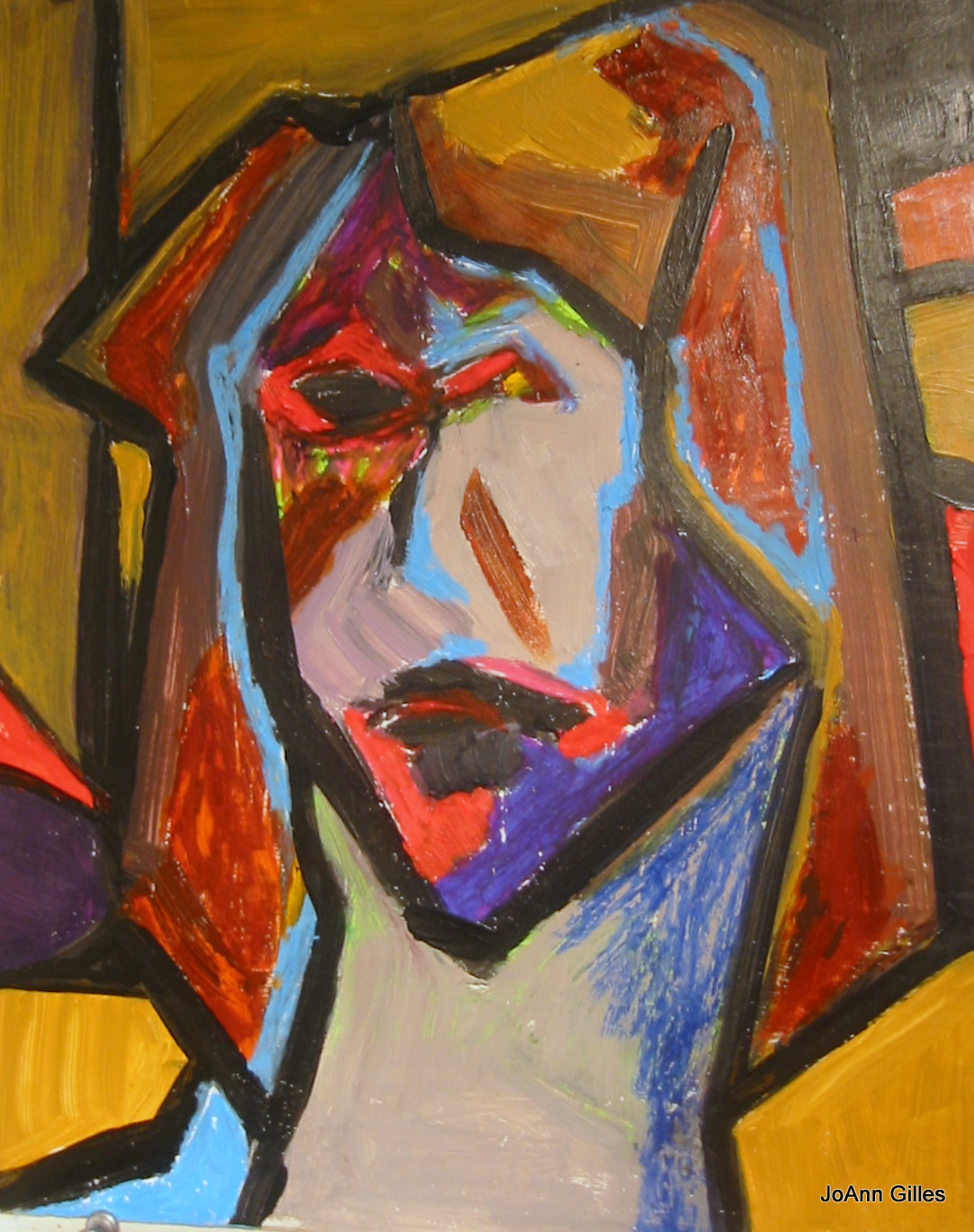
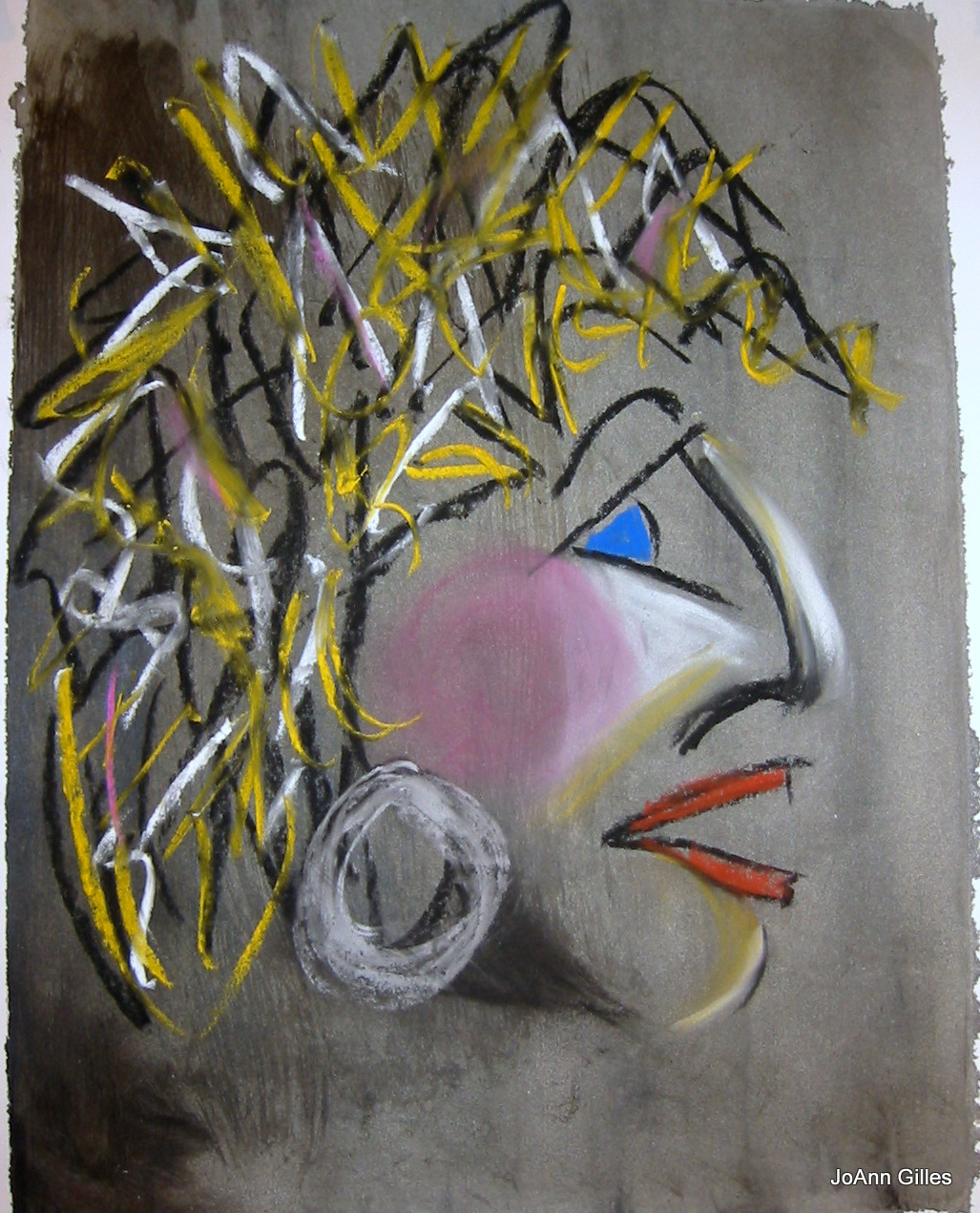
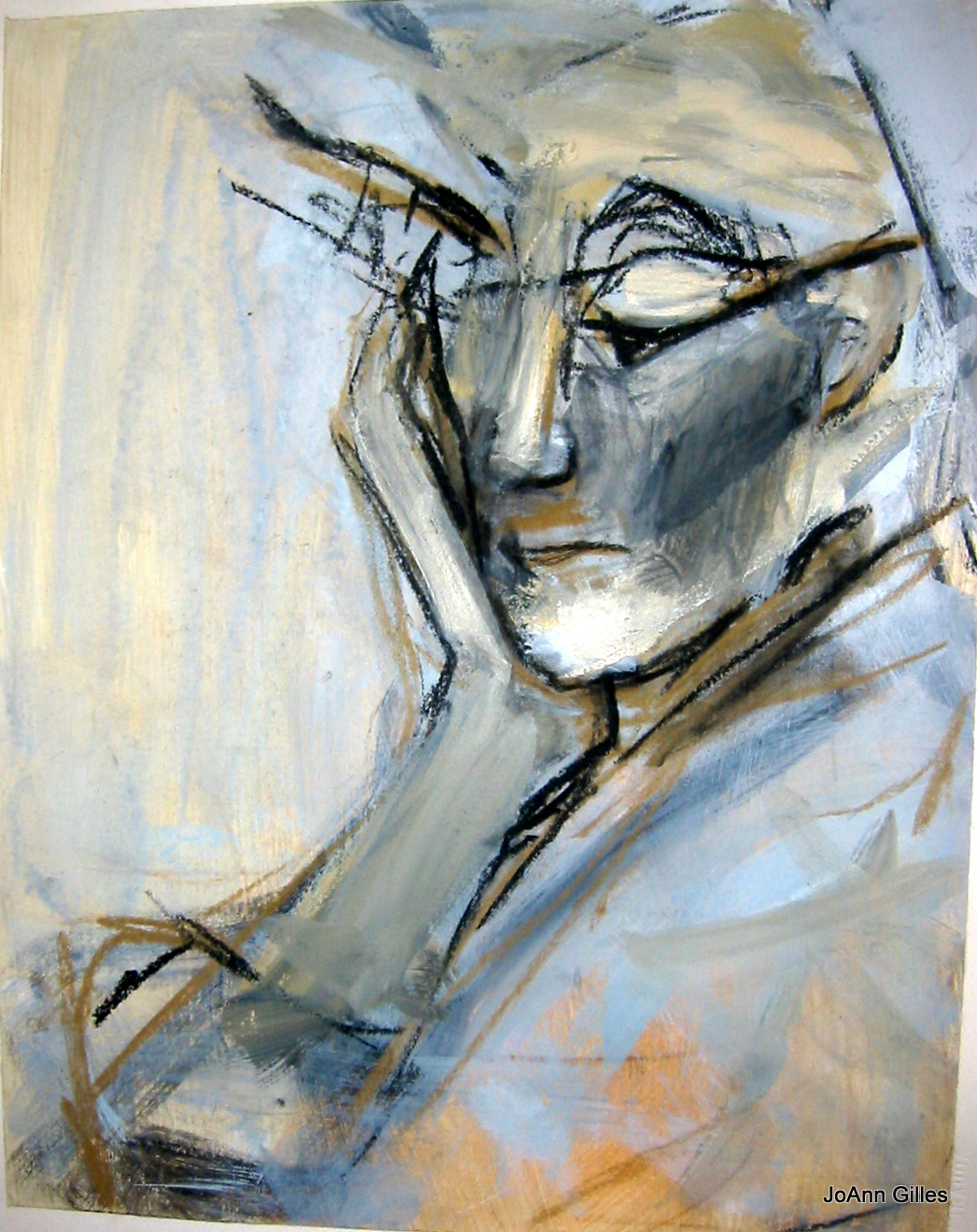
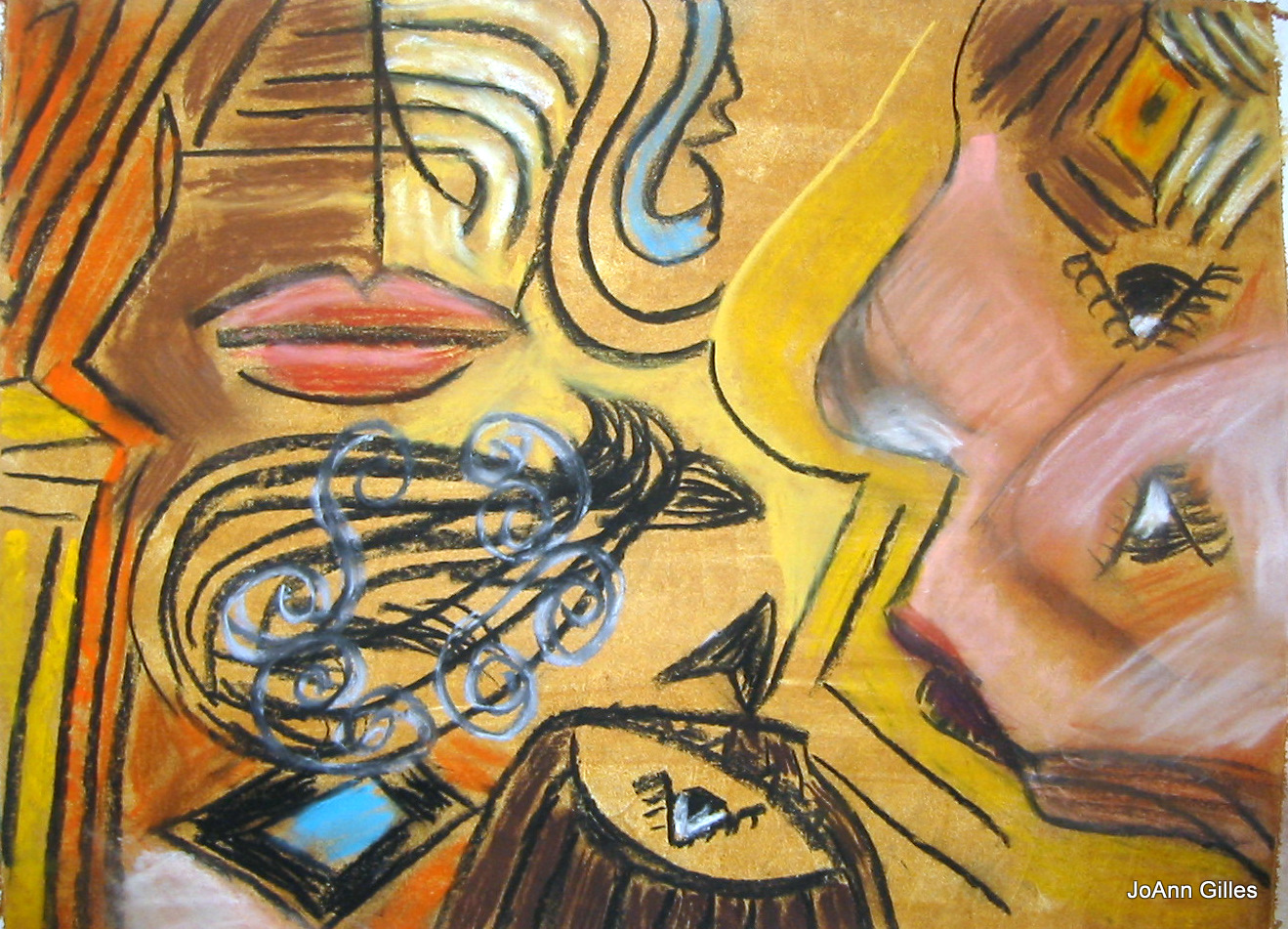
Images from some of the last classes are above. Perhaps they will lead you to your next “lesson”.  You can click on the image to enlarge it, then print it and play with it. Whether sad or not, (we hope not,) it is a way learn something. Keep in mind, some of them are the VERY FIRST figure studies–talk about learning!

Posted in Uncategorized | Leave a comment

Duende

Working from the figure is the basis of classic, academic drawing. But more importantly, the presence of the model allows for a hard-to-define energy to seep into the creative process. My favorite term for this mysterious force is duende.

From Wiki-pedia-

El duende is the spirit of evocation. It comes from inside as a physical/emotional response to music. It is what gives you chills, makes you smile or cry as a bodily reaction to an artistic performance that is particularly expressive. Federico García Lorca first developed the aesthetics of Duende in a lecture he gave in 1933, “Play and Theory of the Duende”—

‘All that has dark sounds has duende.’ And there’s no deeper truth than that.

Those dark sounds are the mystery, the roots that cling to the mire that we all know, that we all ignore, but from which comes the very substance of art. ‘Dark sounds’ said the man of the Spanish people, agreeing with Goethe, who in speaking of Paganini, hit on a definition of the duende: ‘A mysterious force that everyone feels and no philosopher has explained.’

So, then, the duende is a force not a labour, a struggle not a thought. I heard an old maestro of the guitar say: ‘The duende is not in the throat: the duende surges up, inside, from the soles of the feet.’ Meaning, it’s not a question of skill, but of a style that’s truly alive: meaning, it’s in the veins: meaning, it’s of the most ancient culture of immediate creation….

Seeking the duende, there is neither map nor discipline. We only know it burns the blood like powdered glass, that it exhausts, rejects all the sweet geometry we understand, that it shatters styles and makes Goya, master of the greys, silvers and pinks of the finest English art, paint with his knees and fists……..

The duende….Where is the duende? Through the empty archway a wind of the spirit enters, blow….., in search of new landscapes and unknown accents: a wind with the odour of a child’s breath (sic), crushed grass, and medusa’s veil, announcing the endless baptism of freshly created things.  Translated by A. S. Kline © 2004

We will continue working from the figure in the next few sessions.  If we are lucky perhaps the duende join us.

Posted in Uncategorized | Leave a comment

Marks Matter

Reconcile the Picasso quote and the list of drawing instructions.

Drawing is a kind of hypnotism: one looks in such a way at the model, that he comes and takes a seat on the paper. -Pablo Picasso

Draw with your arm.

Start with broad action, notice axis lines, lightly sketch general form.

Don’t go into detail too soon.

Develop  volumes as you go.

Move quickly, rhythmically around the figure.

Adjust proportions.

Squint

Use areas of darks and lights to define form.

Cut into the general mass alternating between varied lines–heavier for indentations, and an eraser for lighter areas. Work sensitivly, quickly.

Look for body parts that can combine and rendered as one shape, then define.

Using broad strokes, with graphite, put in general shape of figure, and then carve form by highlighting with erasers.

Pencil pressure corresponds to what might best be exaggerated

Use white paint, chalk or pastel for highlights.

Using a wash, sketch areas of lights and darks, then go back in with pencil or ink to further define.

Build from the inside out.

Mark angle of the hips, waist and shoulder.

Spot a vertical line, note the angle of parts of the figure in relation to the vertical.

Use circles to demarcate joints—tubes for limbs.

Etc., etc

More importantly—See. Connect.  Be present. Leave authenticity on the page. The quality of you marks is what matters.

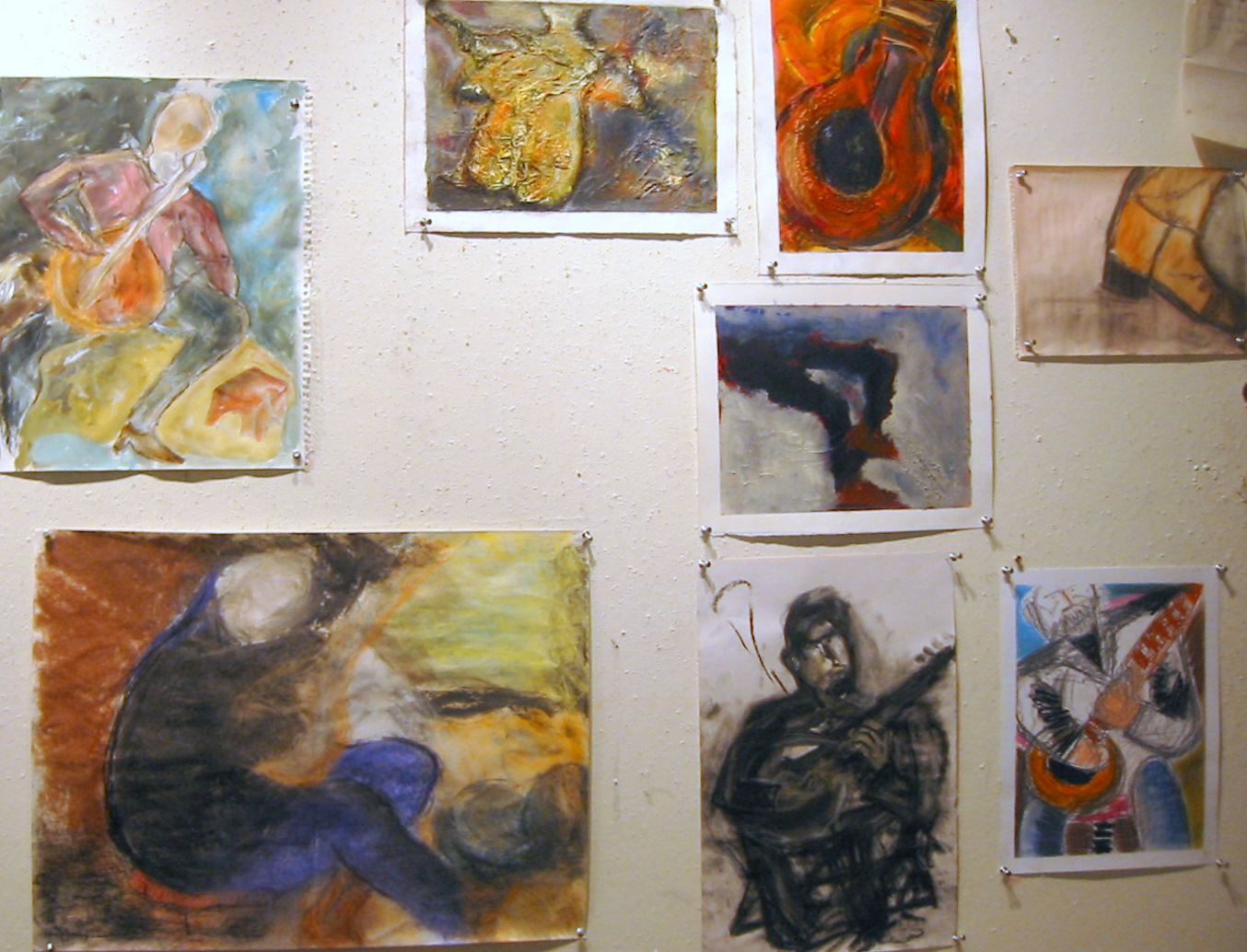
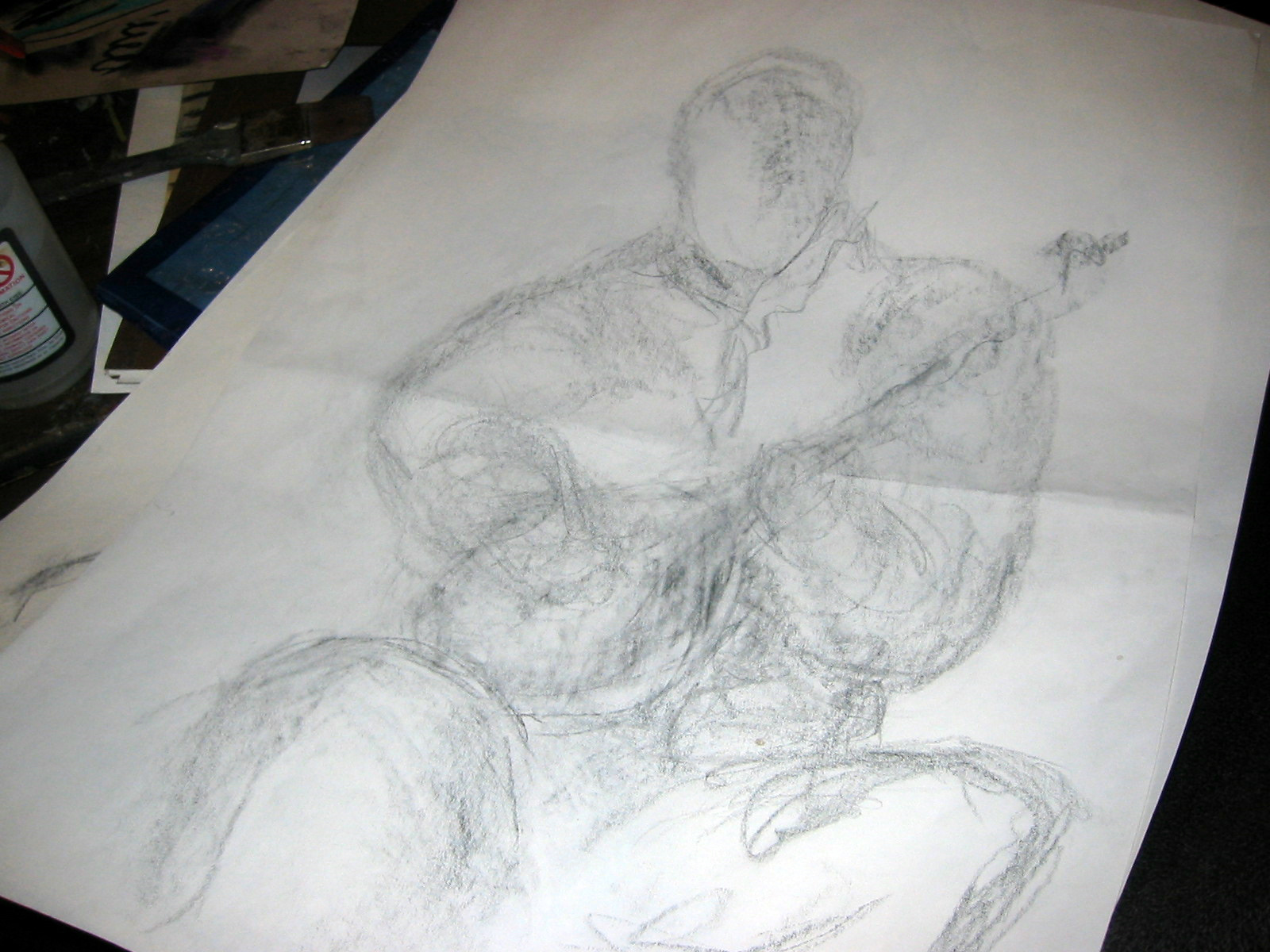
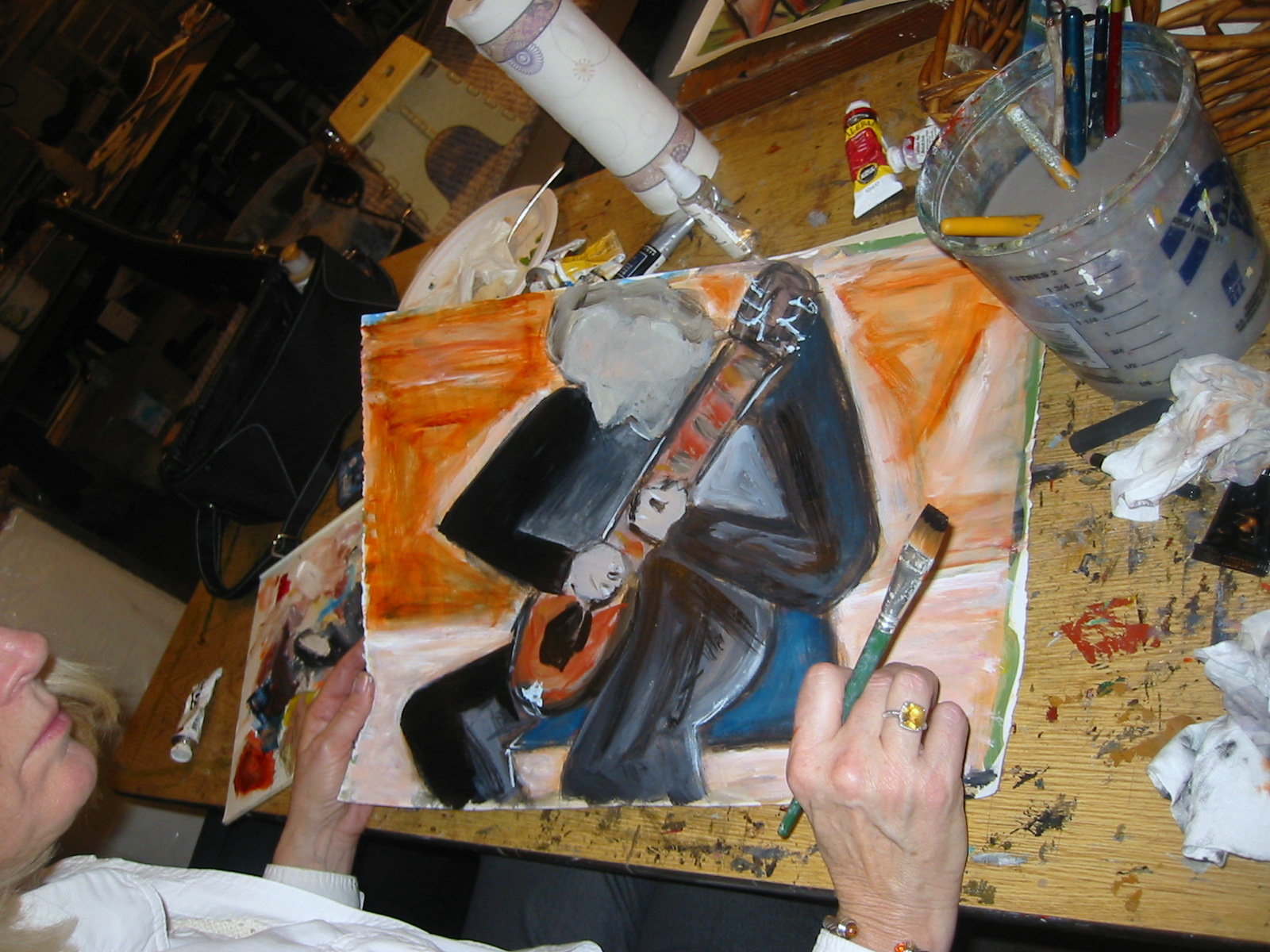
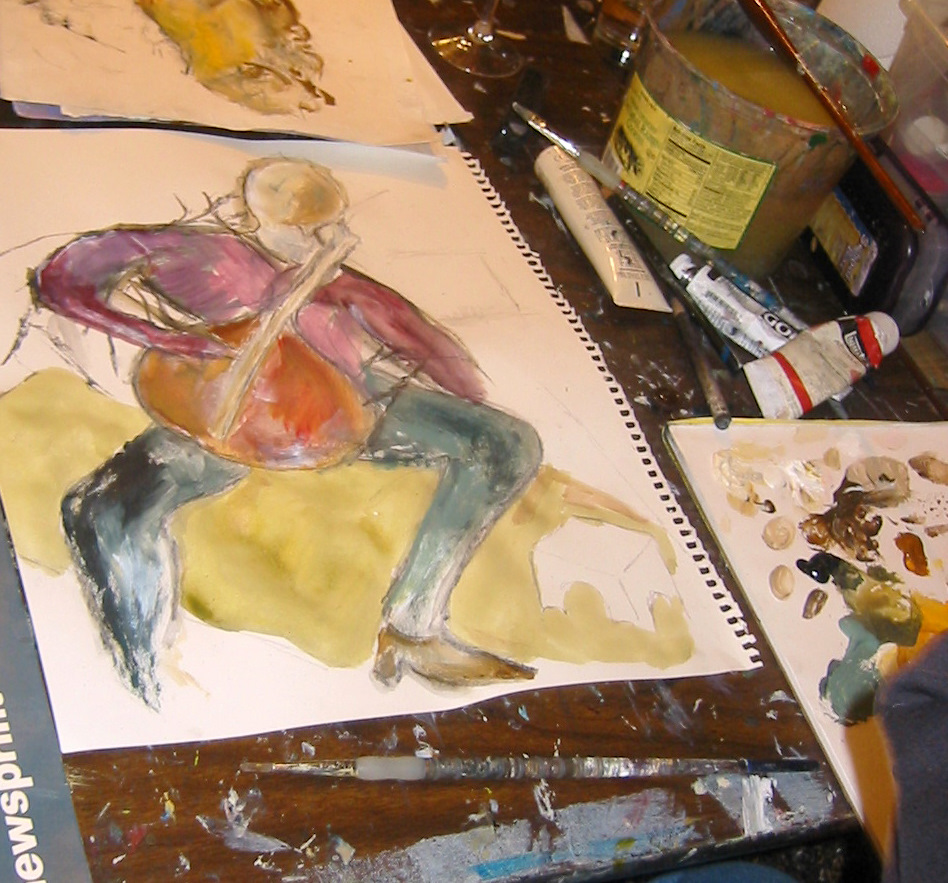
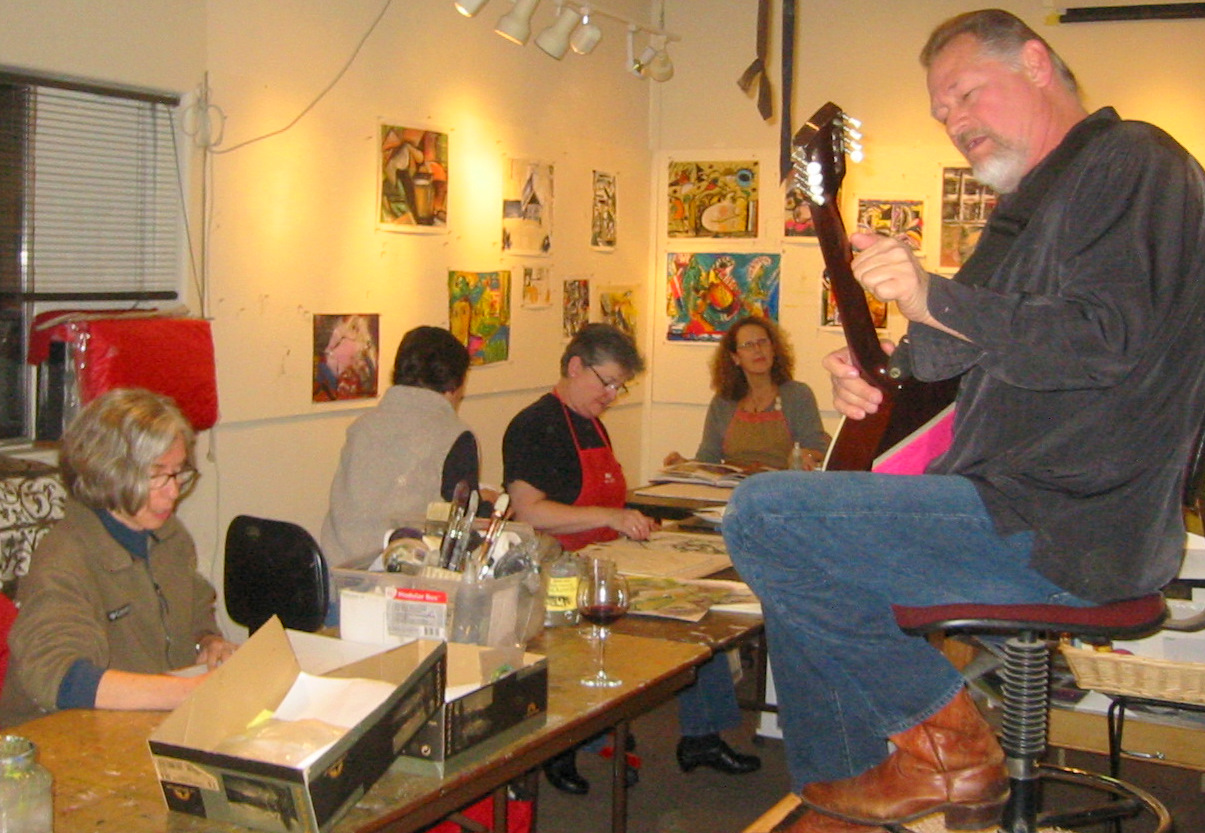
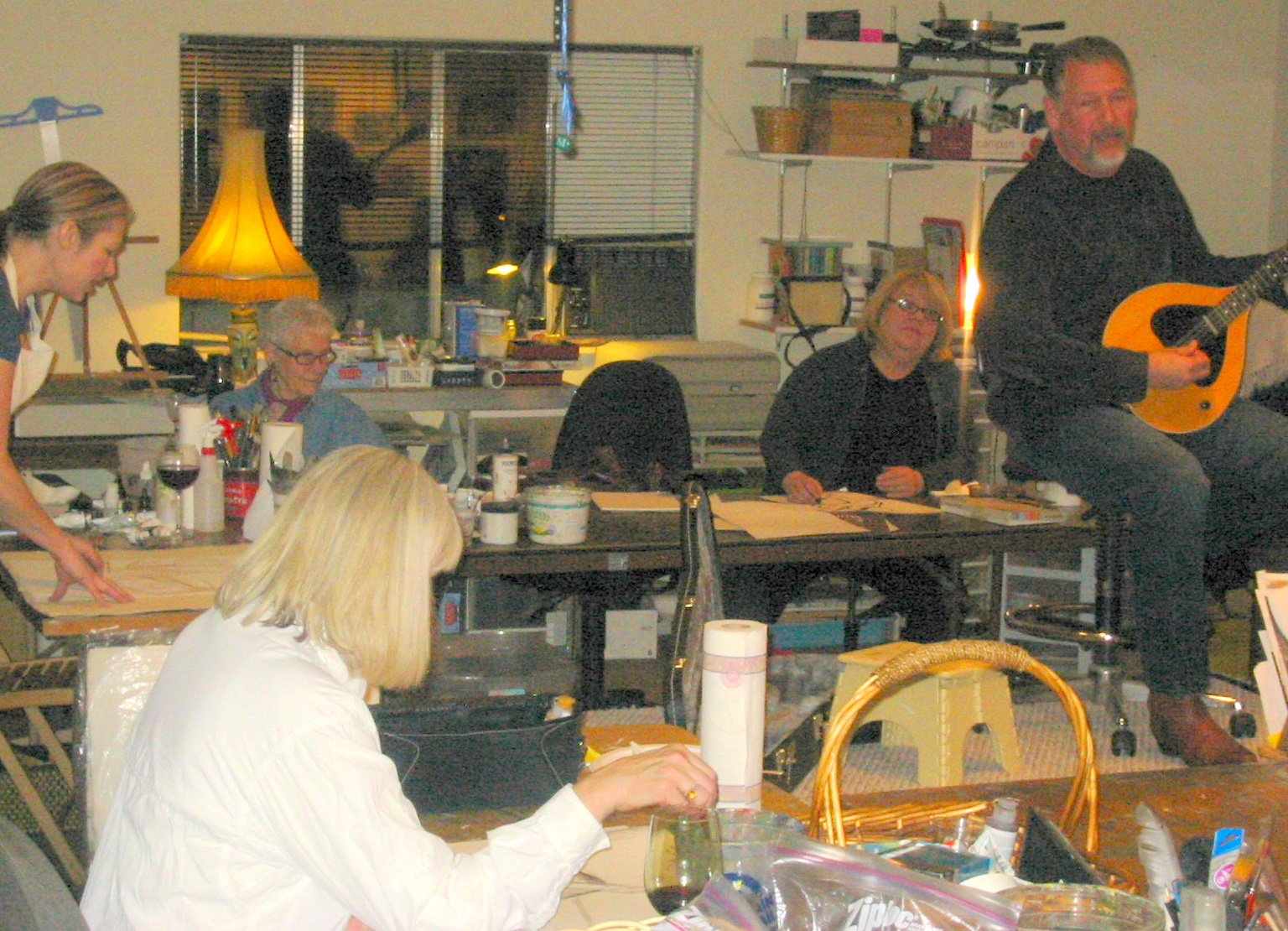
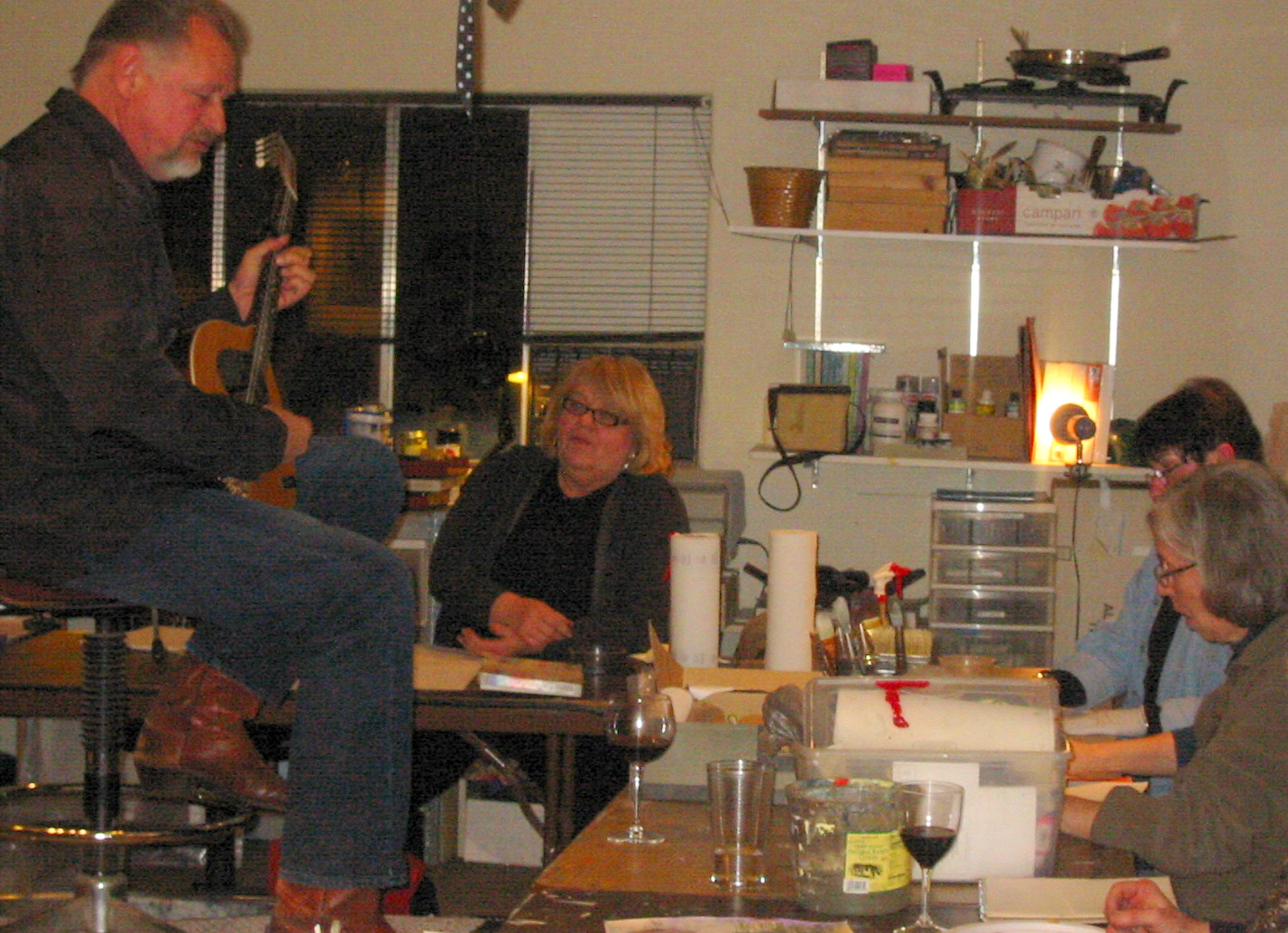
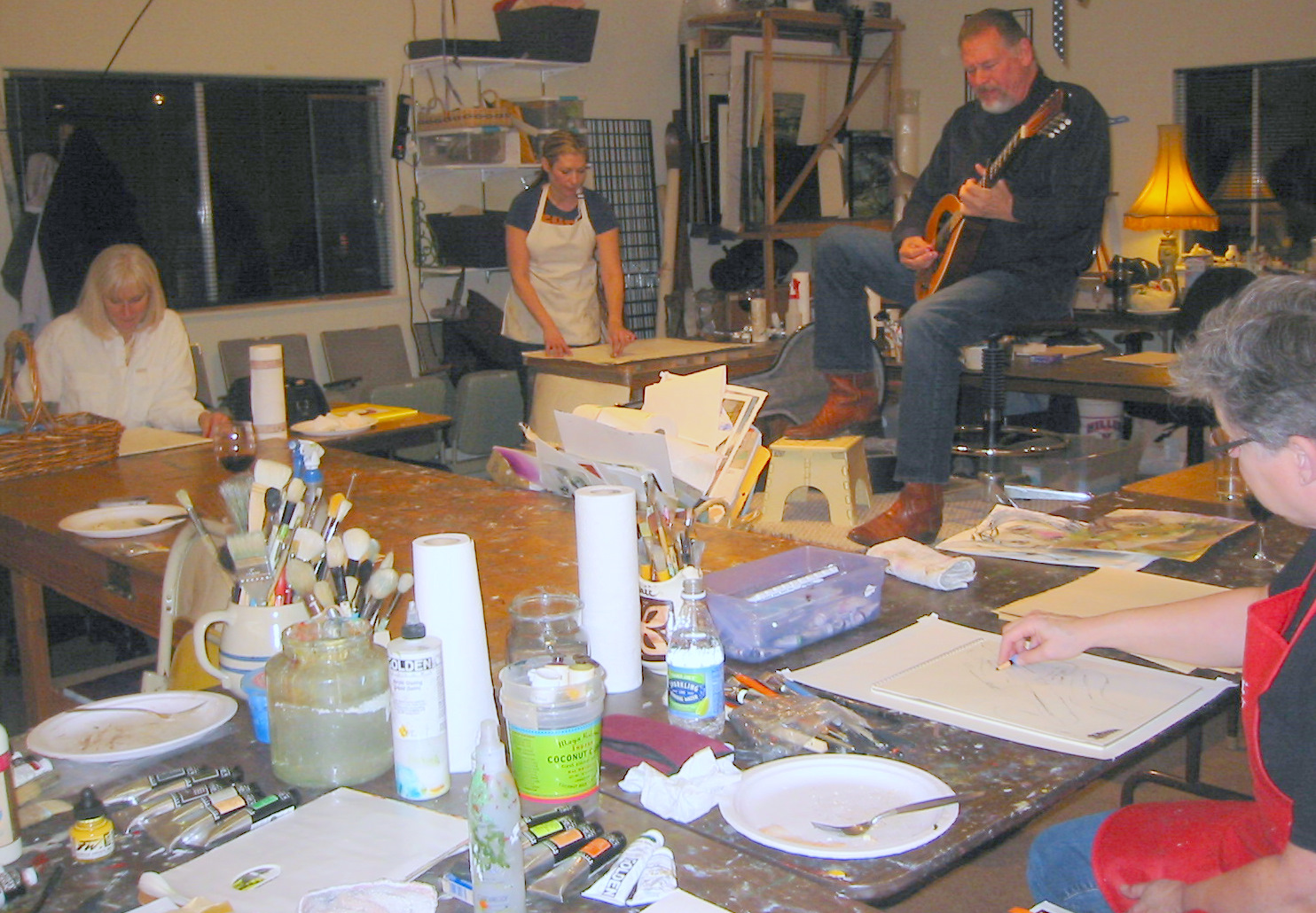
Wednesday Michele’s dad is going to come and play guitar while we use his form, his energy,  his music to  inspire drawing and paintings. Saturday Autumn will be modeling.  We will have a model for the next 2 weeks. Bring different experimental drawing
media, tools, etc. Be imaginative–see what happens. Remember Picasso’s approach to the figure.

Posted in Uncategorized | Leave a comment

A joke: Picasso witnessed a robbery but the “perp” got away. Picasso offered to provide a sketch of the criminal….

…..the police arrested a Mother Superior, a washing machine and the Eiffel tower….(thank you Prairie Home Companion Joke Show).

Lessons of Picasso are many. Year-long college courses, books too heavy to lift, miles of gallery walls, movies and novels have all been dedicated to this man’s life and work. A couple of weeks focusing on his paintings is little more than an opportunity to wonder a bit about his vision.

The most valuable thing I’ve gleaned from experiencing him over the years is how expansive it is to try and see things as he might. Cubism can be boiled down to seeing things from multiple points of view. And he did it with a playful, child-like spirit.  He said: “Every child is an artist.  The problem is how to remain an artist once he grows up”. Let that influence your work however it works best for you.

In the meantime we are going to take one more week on visiting this genius and try to mimic his way of working.  This is an exercise we have done before.  It requires a WHOLE LOT of letting go. We will be guided by a video of him at work.  Have more than one substrate just in case.  A least one clean sheet is good–not t00 small–16″ x 20″ ish. Then feel free to have an underpainting. There will be deconstruction in a different way so have white paint, maybe erasers, perhaps collaging can be utilized.  This again is AN EXERCISE.  It should be fun and challenging and may end up as a “joke” or as a stepping stone to great things–we shall  see.

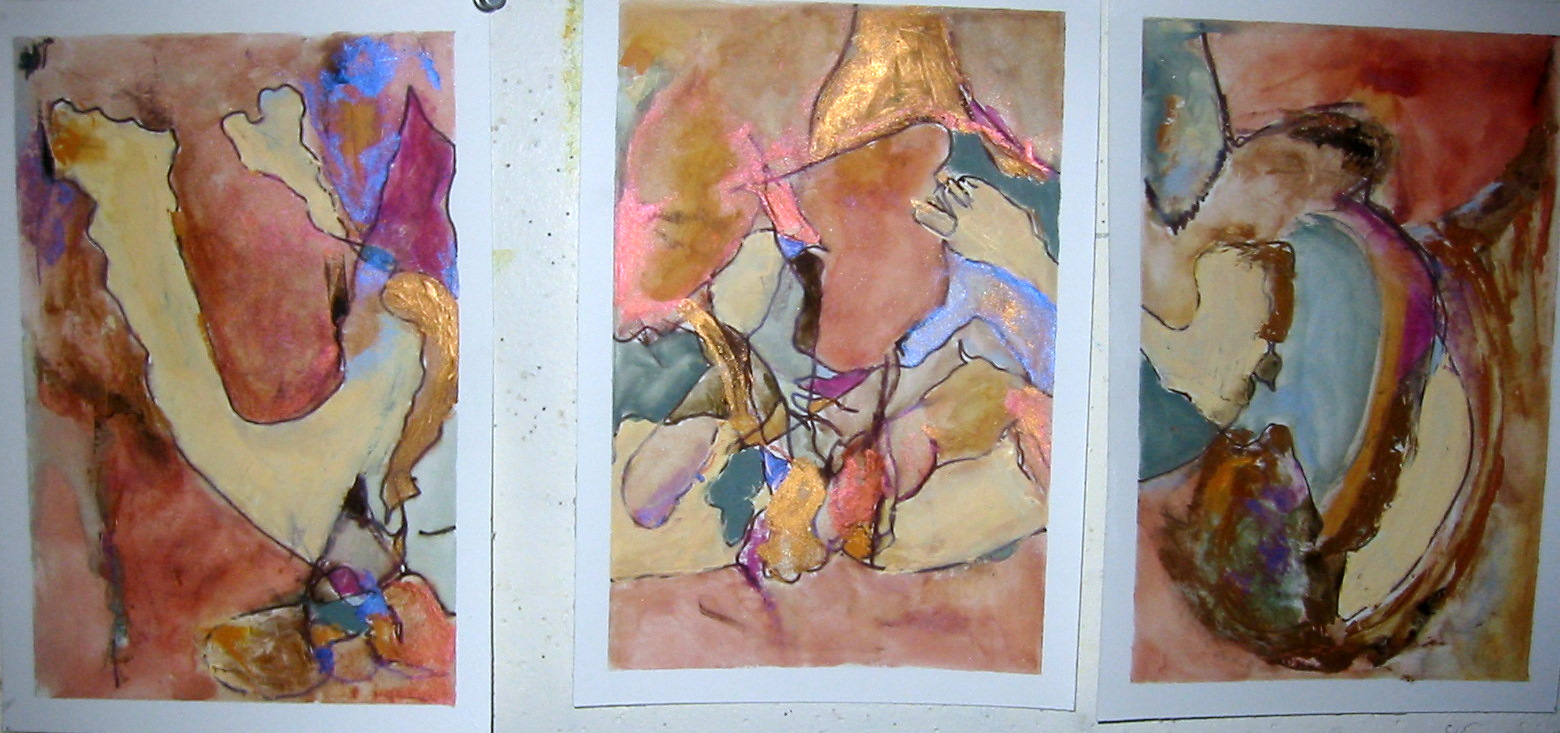
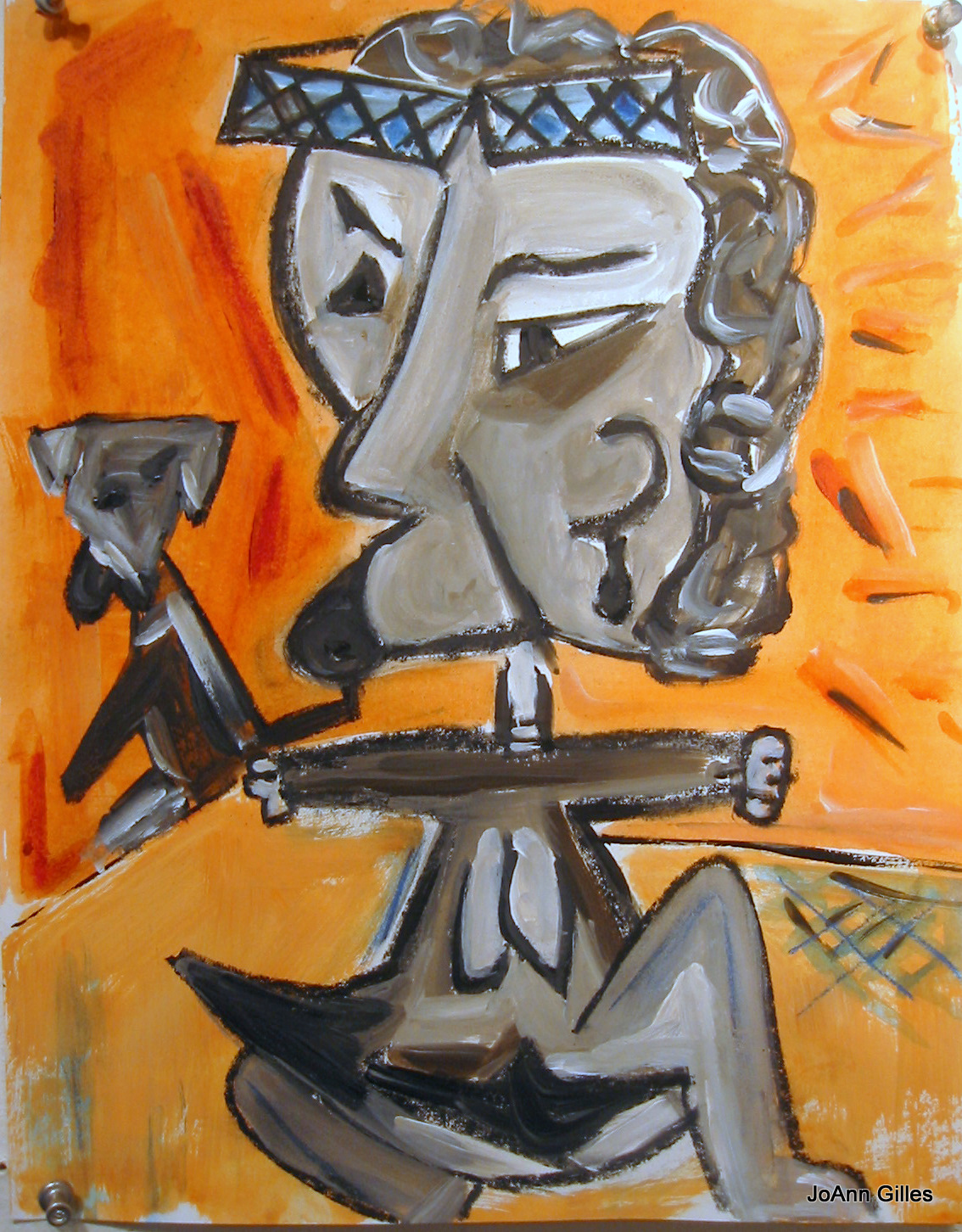
Below is our Cubist expression for last week– (Note: please know that if your piece is not here or if it is blurry or if it is label incorrectly or if your name is spelled wrong, please accept my apologies. It is in no way a judgement or even carelessness.  This takes a lot of time and a skill level that does not come easily to me. It is as good and accurate as I have time to make it.)
Posted in Uncategorized | Leave a comment

“You don’t have to see the whole staircase, just take the first step.” Martin Luther King Jr.

On this Martin Luther King Day as the SAM Picasso exhibit many of us visited closes, we ponder Picasso.  Although they were at the opposite ends of the spectrum in personal integrity and ego and perhaps what they gave the world, both men were revolutionary and they approached their passion with faith in the endeavor, as Martin Luther King Jr. repeatedly expressed with words like those above.

Picasso gave us unending innovation. The most ground-breaking, of course, was Cubism. In Cubism the subject matter is broken up, analyzed, and reassembled in an abstracted form. Picasso and Braque initiated the movement inspired by Cézanne, who said artists should treat nature ‘in terms of the cylinder, the sphere and the cone.’ Cezanne also painted his subjects from slightly different points of view at the same time, which tended to “flatten” objects. In their Cubist paintings Braque and Picasso exaggerated that idea and began to bring different views of the object together on the picture plane. ‘A head’, said Picasso, ‘is a matter of eyes, nose, mouth, which can be distributed in any way you like. The head remains a head. 

We are going to play with both ideas–deconstructing and reassembling while not being able to “see the staircase” as we climb it.  Just as always in painting (and for me, in life), have faith in the endeavor, not necessarily the outcome.

Bring fresh substrate and all materials, even adhesive for collage.

For a look at some of the master’s works check out this link:

http://www.abcgallery.com/P/picasso/picasso.html

(There is an even better one, but the link seems to be broken.  It is called The Online Picasso Project through Sam Houston University.)

Posted in Uncategorized | Leave a comment

Rising to the Occasion—in more ways than one…

Kudos on so many levels!  Your efforts in the last exercise of letting go of expectations, of not holding tight to  pre-conceived imagery, of allowing satisfying  pages to go the way of the wind and your willingness to see what might be “around the next corner”, even if it meant mud or mayhem, has led to some sophisticated, inspired works in progress.  I spent a good deal of time with them on Sunday and they made hungry to see the next moves.

Now is the time to ask yourself what may they be about?  What do you see  in them when you gaze for a while and when you squint and when you turn them around?  Where is the chord struck?  If you have time to noodle on the internet or stick your nose in an art book, look at some artist’s work you admire and let the  their vision wash over you.  No need to study or even read. Just, as I like to say, NOTICE WHAT YOU NOTICE and see how that informs what comes next. 
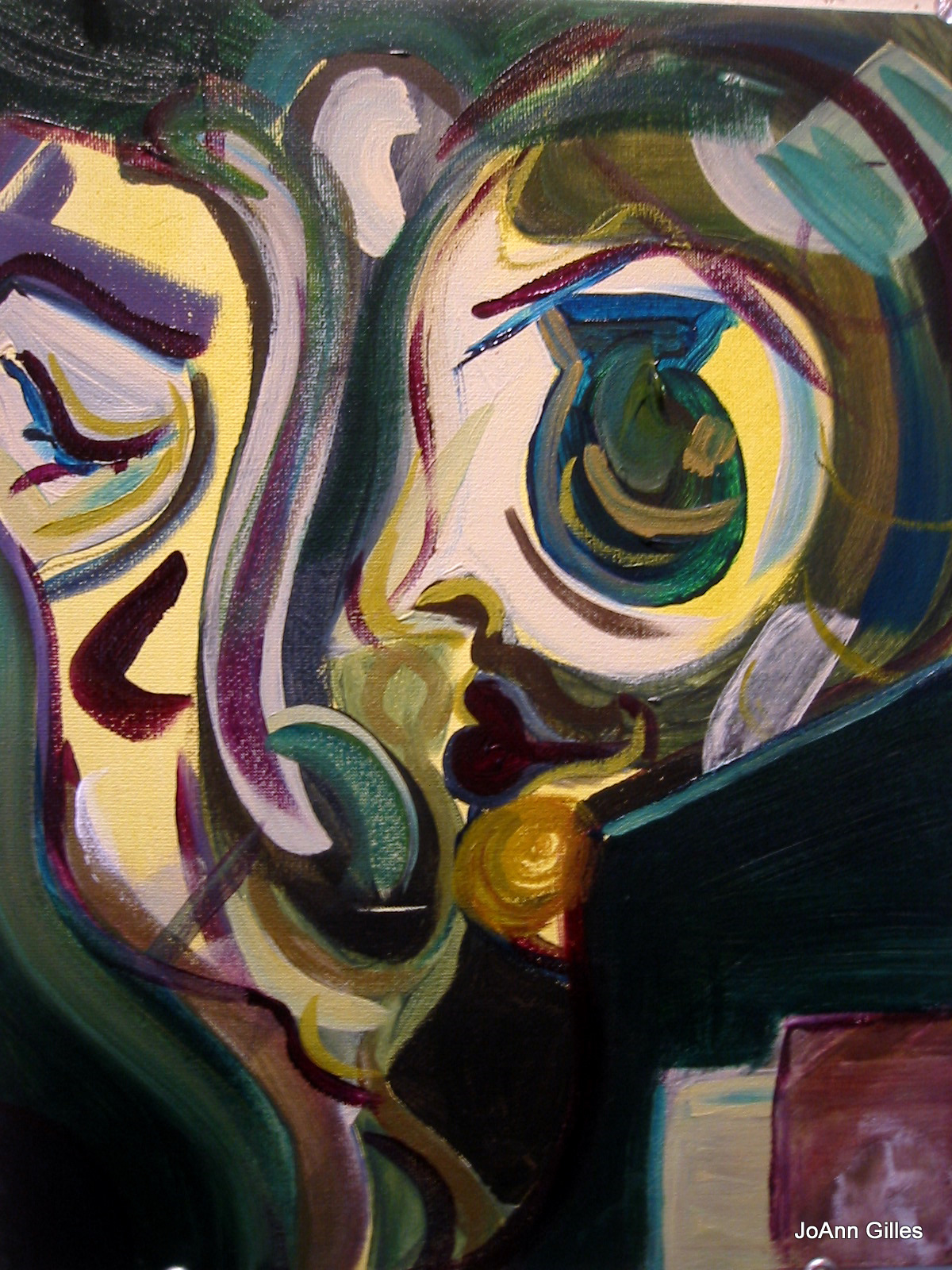
In the mean time take pleasure in looking at these two WEB albums, both courtesy of Shawn’s camera. (So happy she got more photos upstairs during our open studio than I did.) Again, appreciate both your concentrated efforts of bringing your work to exhibition ( http://picasaweb.google.com/lh/sredir?uname=JoAnnGilles&target=ALBUM&id=5560455937878137441&authkey=Gv1sRgCKnQm5-fpdyWcg&feat=email ) and the playful teamwork of our holiday party.  Thomas Kinkead never had it so good.  (  http://picasaweb.google.com/lh/sredir?uname=JoAnnGilles&target=ALBUM&id=5560409776173051105&authkey=Gv1sRgCMD78PS6nc3e5wE&feat=email ) If you play the slide show for the holiday party it gives a good feel for the evening–great fun!

Go Ducks!

Posted in Uncategorized | Leave a comment